Industry cluster
Manufacturing AI on Legacy Systems
Manufacturing AI becomes practical when it connects to the systems already running production. The first wins usually come from reports, work orders, exception analysis, and governed operational workflows.
Manufacturing AI connects ERP, MES, WMS, work order, quality, and equipment data through a business object layer. AI can then analyze exceptions, assist planning, and support workflows without replacing every legacy platform.
Why it matters now
- Manufacturing data is valuable but often split across old systems and spreadsheets.
- Production teams need practical AI entry points that do not interrupt core operations.
- Work orders, reports, and exceptions offer clear value before larger transformation programs.
What the platform needs
- Connect production, inventory, equipment, quality, and work order data as business objects — federated read-only by default from the databases that already run production.
- Use AI to explain report changes, spot exceptions, and summarize operational context.
- Build case-style workflows for maintenance, quality issues, and supply chain follow-up.
- Keep source systems stable while adding modern dashboards, workflows, and agent assistance.
Use cases
Analyze production reports and explain the drivers behind variance.
Summarize work orders, maintenance history, and equipment downtime.
Coordinate exception workflows across ERP, MES, warehouse, and service records.
Reading path
Related articles
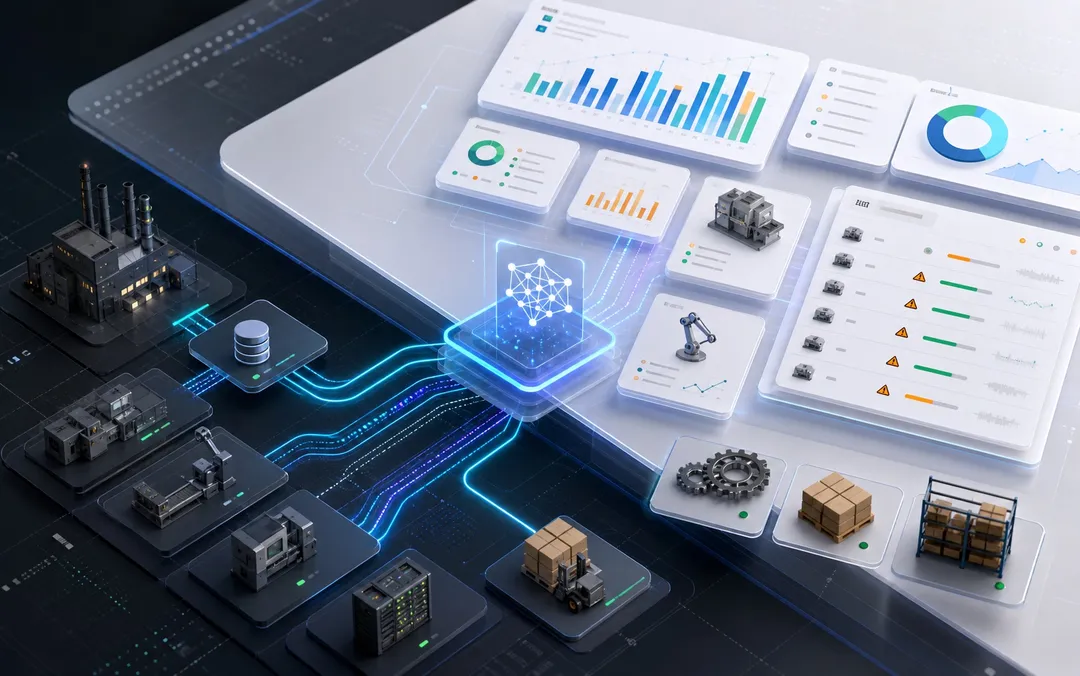
AI for Legacy Manufacturing Systems: Start With Reports and Work Orders
Manufacturing systems are hard to replace. A practical AI path connects existing systems and starts with reports, work orders, and exception analysis.
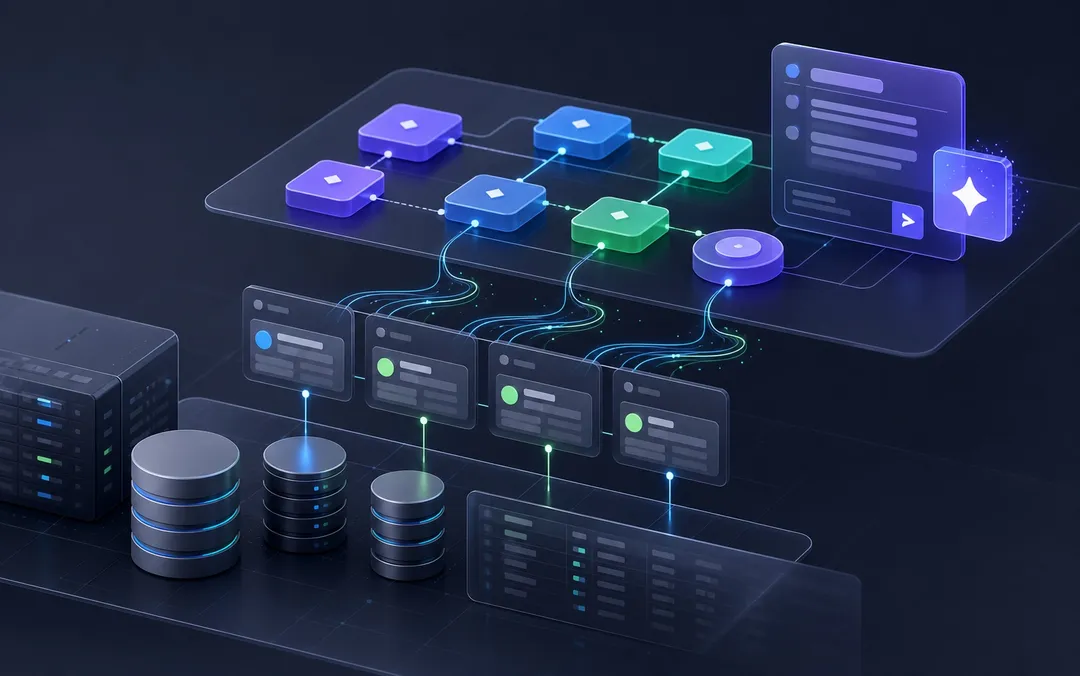
Add AI to Existing Systems Without Migration: Connect Your Database
On self-managed ObjectOS (Enterprise), connect the database you already run — read-only by default — let a coding agent model its tables as objects, and put AI on real data under your permissions, system of record untouched.
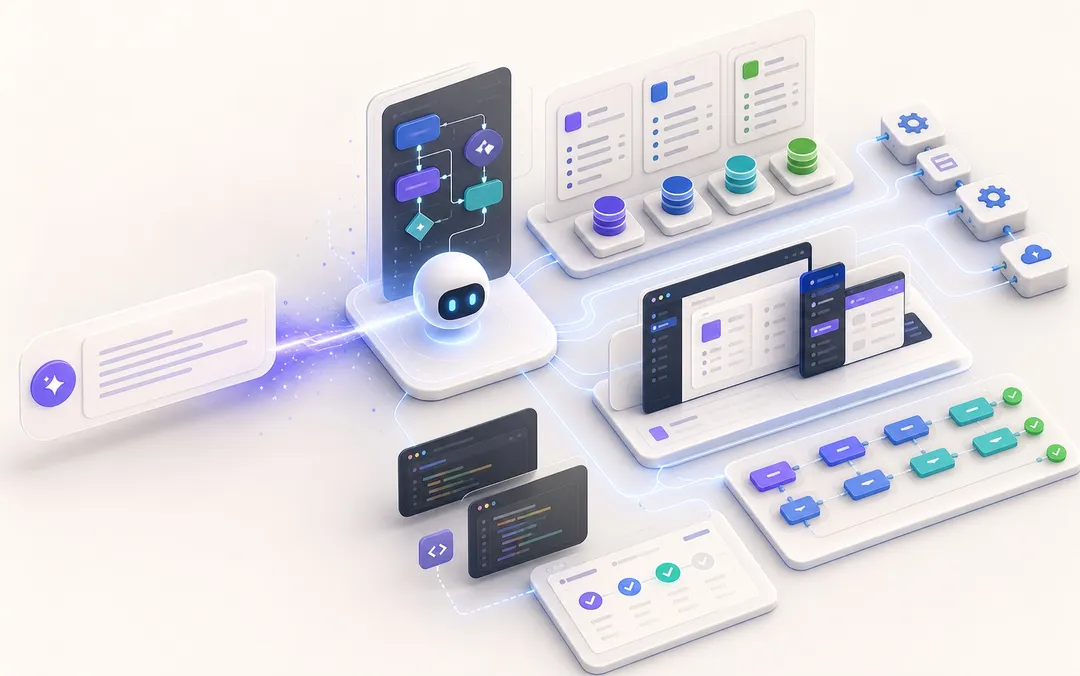
From Requirement to Running App: How AI Generates Reviewable Metadata
A concrete equipment repair scenario shows how AI Builder turns one request into objects, fields, relationships, views, permissions, actions, workflows, APIs, and agent tools.
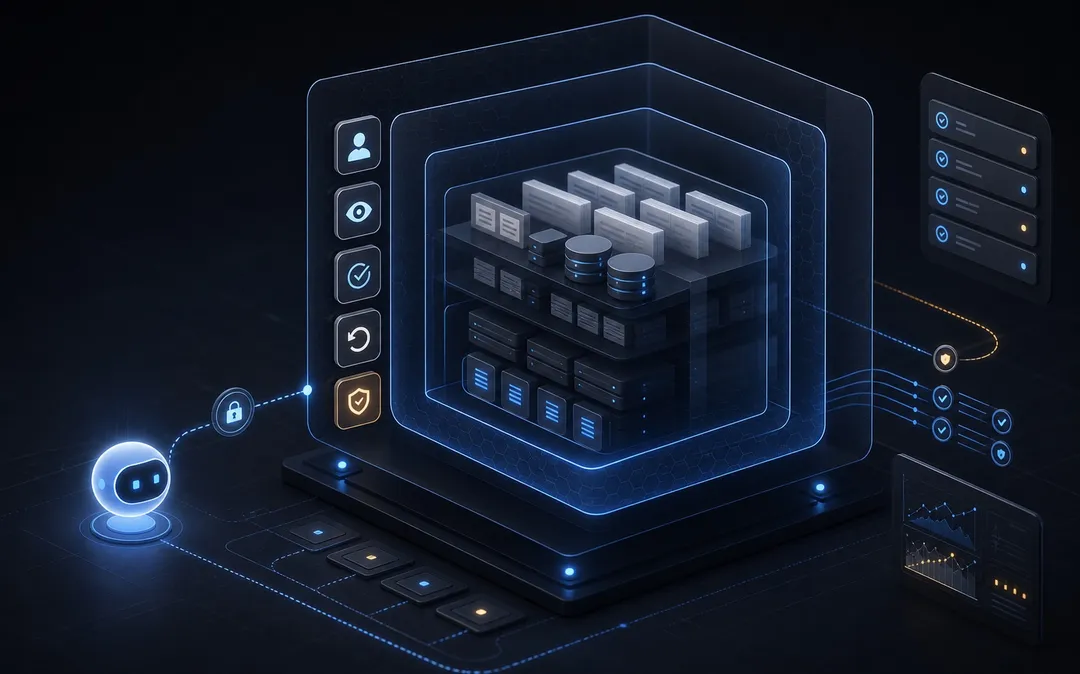
How AI Agents Stay Inside Enterprise Permission Boundaries
Enterprise teams do not need AI agents to become unrestricted administrators. They need agents that act as controlled users, inherit permissions, route risky actions for approval, and leave an audit trail.
Explore the cluster
FAQ
Where should manufacturing teams start with AI?
Start with reports and work orders. They are familiar, high-value, and connected to real operational decisions without requiring immediate ERP or MES replacement.
Does manufacturing AI require replacing ERP or MES?
No. A practical first architecture connects the existing databases as read-only datasources — federation is read-only by default, and early — and models the relevant records as business objects so AI can read and analyze without taking over the source systems.
What makes manufacturing AI difficult?
The data is usually fragmented across ERP, MES, WMS, quality systems, equipment records, and spreadsheets. AI needs a governed object layer to understand and act across those boundaries.