Articles
58 articles on executable business ontologies, runtime governance, and agent-operated applications.
Recommended
Recommended
Start here: why the business semantic layer should be open, why AI-native software is metadata rather than generated code, and how one request becomes a governable app.
-
 Published
Open vs. Closed Enterprise Ontologies: Who Owns the Business Semantic Layer?
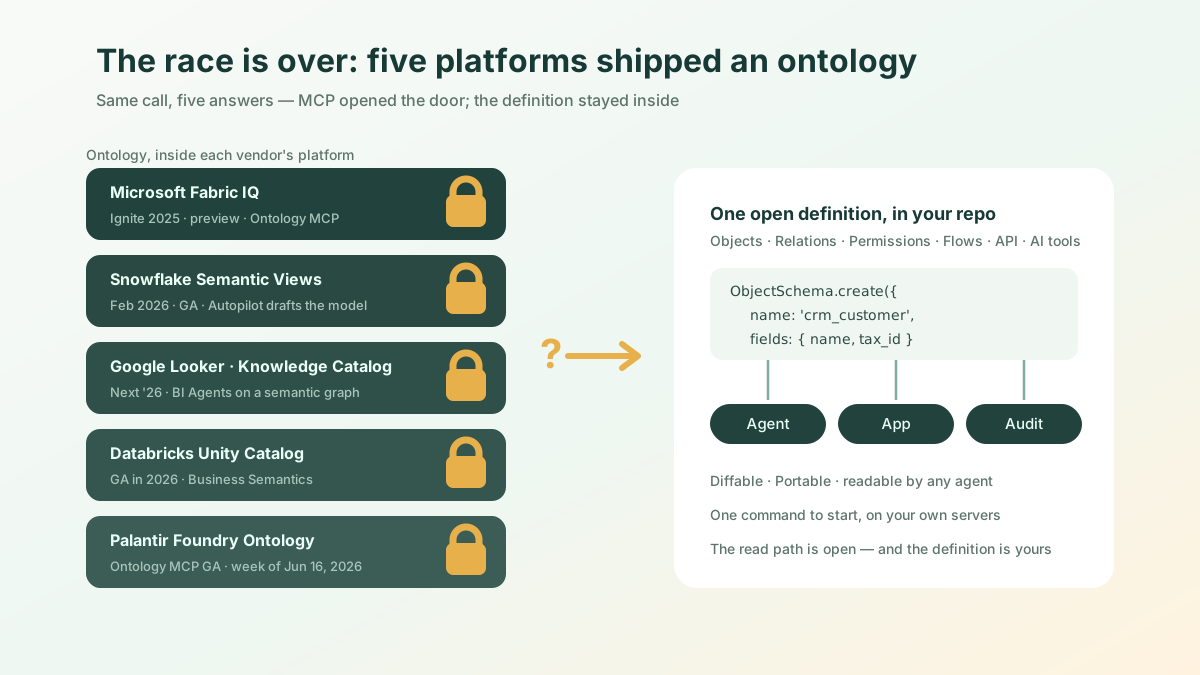
Five platforms shipped a business semantic layer between Nov 2025 and Aug 2026, and most opened an MCP read path while keeping the definition inside. Protocol-open, definition-closed — and the ownership question got sharper.
Security & Governance Business Leaders OntologySemantic layerMCPFabric IQUnity CatalogSnowflakePalantirLooker -
 Published
Metadata, Not Code Generation: What Makes AI-Built Apps Governable
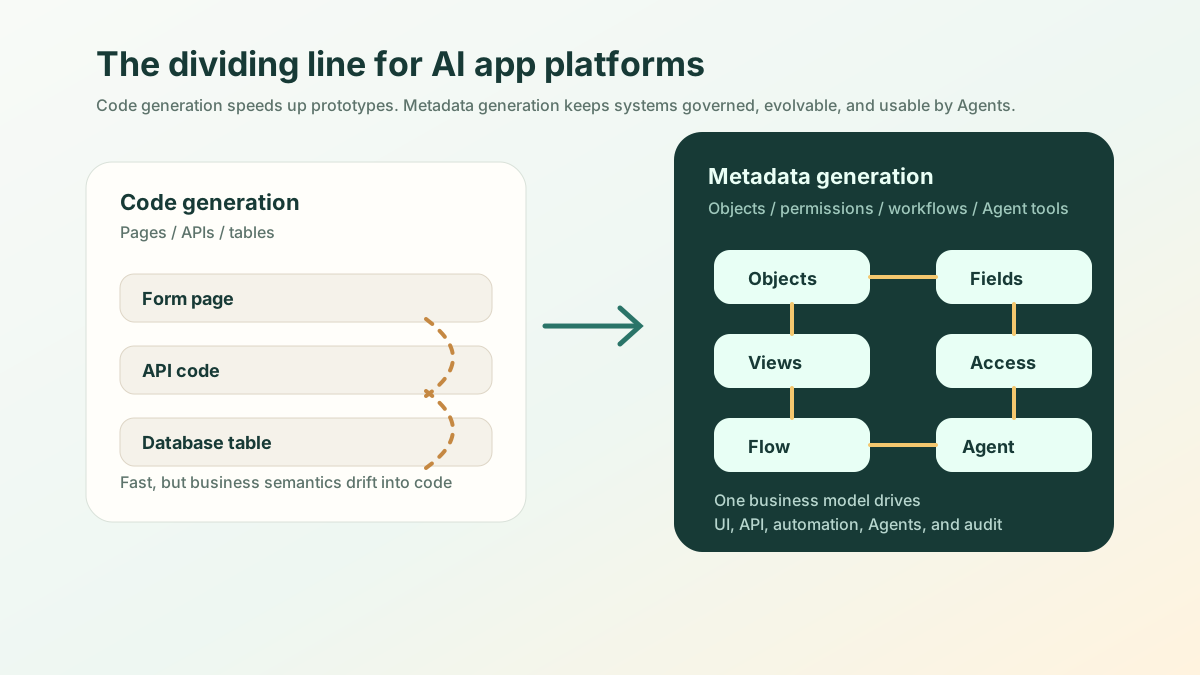
Code generation can speed up prototypes, but enterprise applications need a metadata runtime where objects, fields, views, permissions, workflows, actions, and agent tools are governed together.
App Development Business Leaders -
 Published
Vibe Coding Technical Debt: Why AI-Built Apps Become Hard to Change
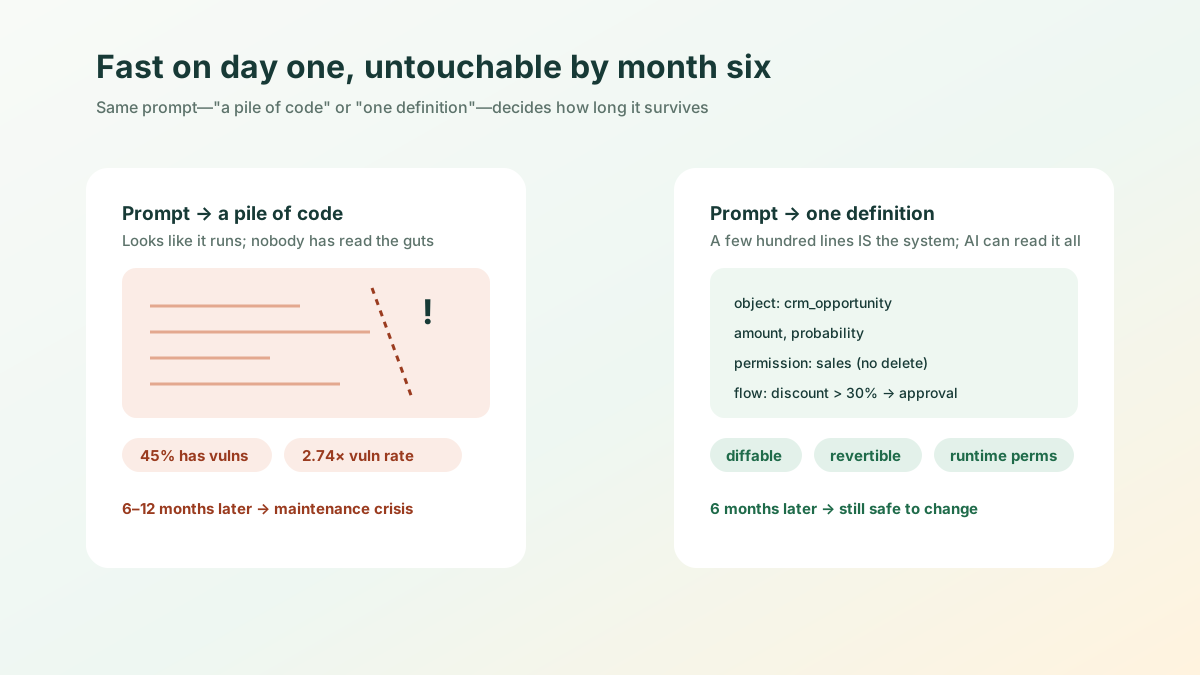
A team's AI-built expense system ran fine for months until tax rules changed and no one dared touch its 12,000 lines of unread code. Why generating definitions beats generating code.
App Development IT Leaders -
 Published
From a Sentence to a Governable App: How AI Generates App Metadata
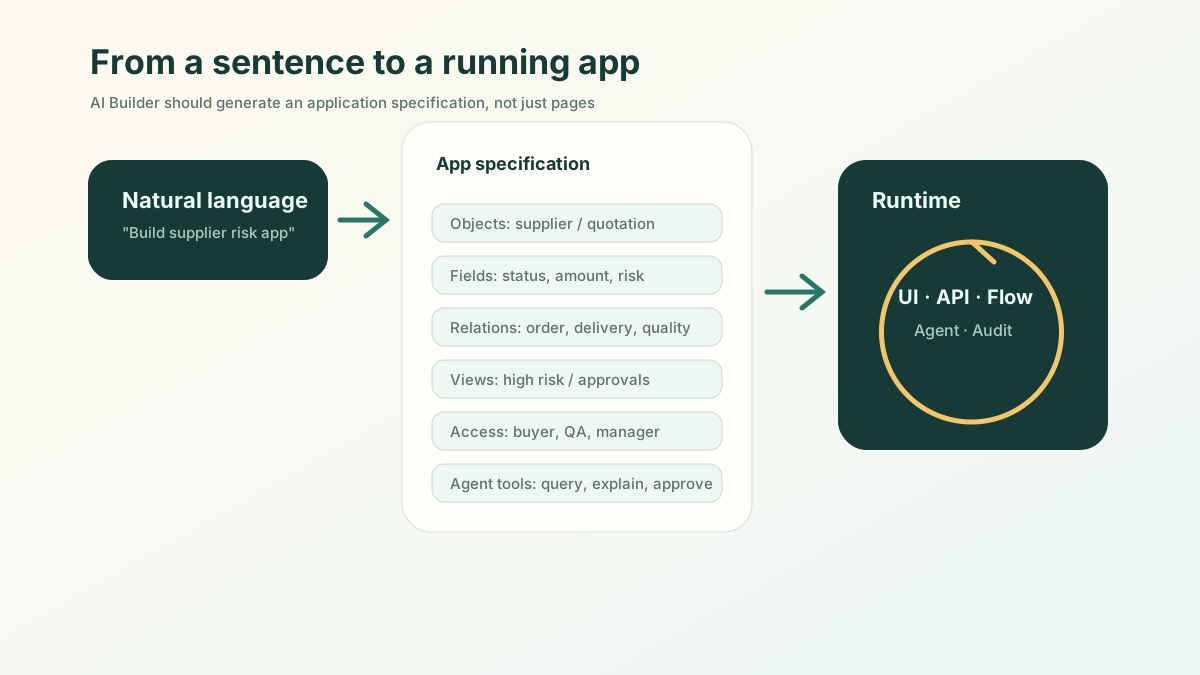
The important part of AI Builder is not turning one sentence into pages, but decomposing a business request into objects, fields, views, workflows, permissions, automation, and agent tools.
App Development Business Leaders AI agents
Latest Articles
Latest Articles
New writing from the ObjectOS blog.
-
 Published
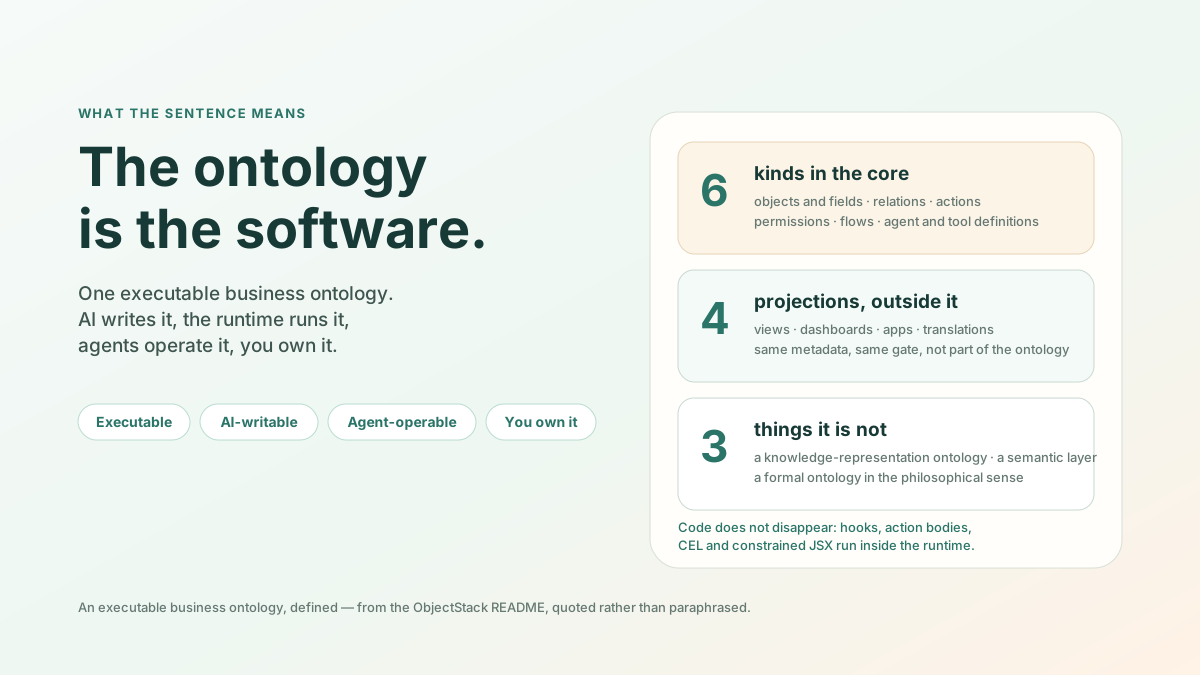
What Does "The Ontology Is the Software" Mean? An Executable Business Ontology, Defined
The line is ObjectStack's positioning; this is its definition. An executable business ontology has a six-kind core, four projections and three things it is not — and a test for telling core from projection.
App Development Developers OntologyExecutable business ontology -
 Published
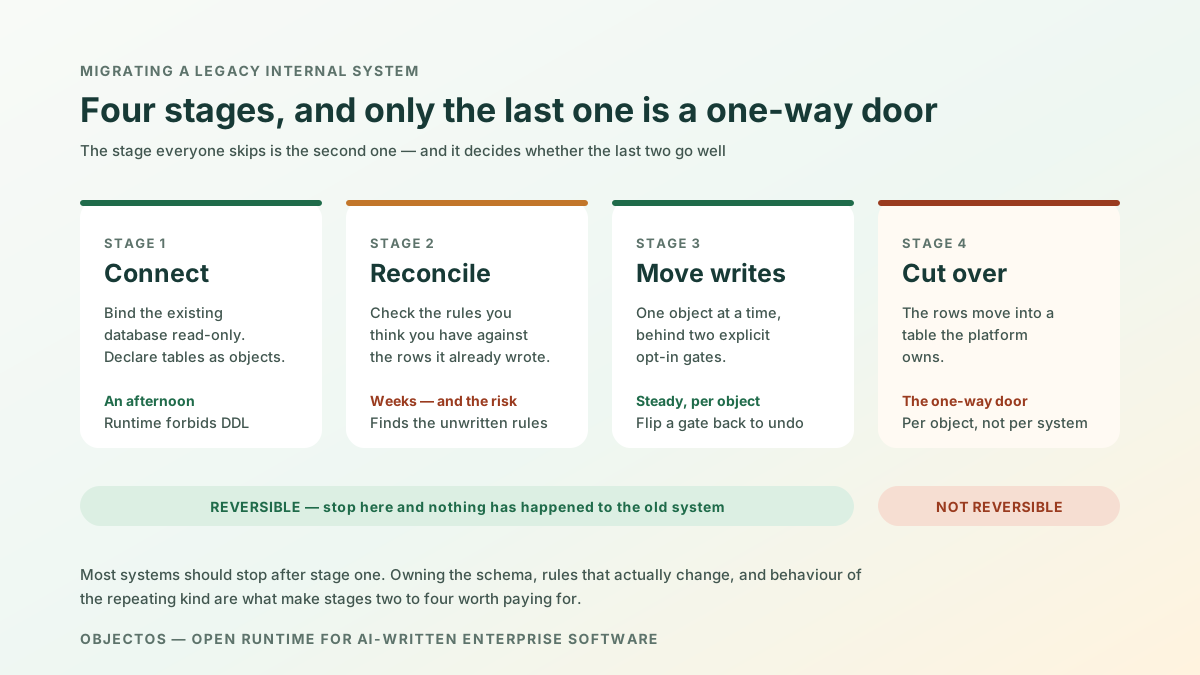
How to Migrate a Legacy Internal System to Metadata Without a Big-Bang Rewrite
A staged path off a legacy internal system - connect it read-only, measure how often your declared rules disagree with what it actually did, enable writes one object at a time, then cut over. Including when not to migrate.
Modernization IT Leaders -
 Published
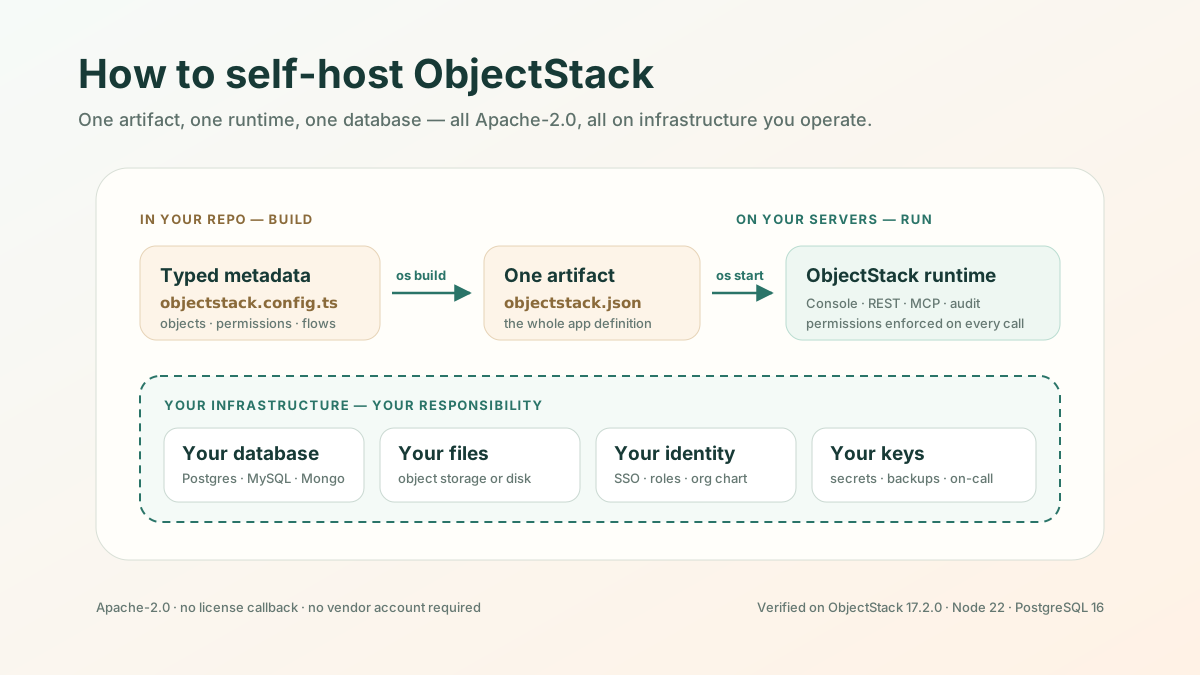
How to Self-Host an AI App Platform: ObjectStack from Install to Verified
A walkthrough of self-hosting the open-source ObjectStack runtime: the compiled-artifact model, the database driver everyone misses, how to prove the install is correct, and what you are now on call for.
Security & Governance IT Leaders -
 Published
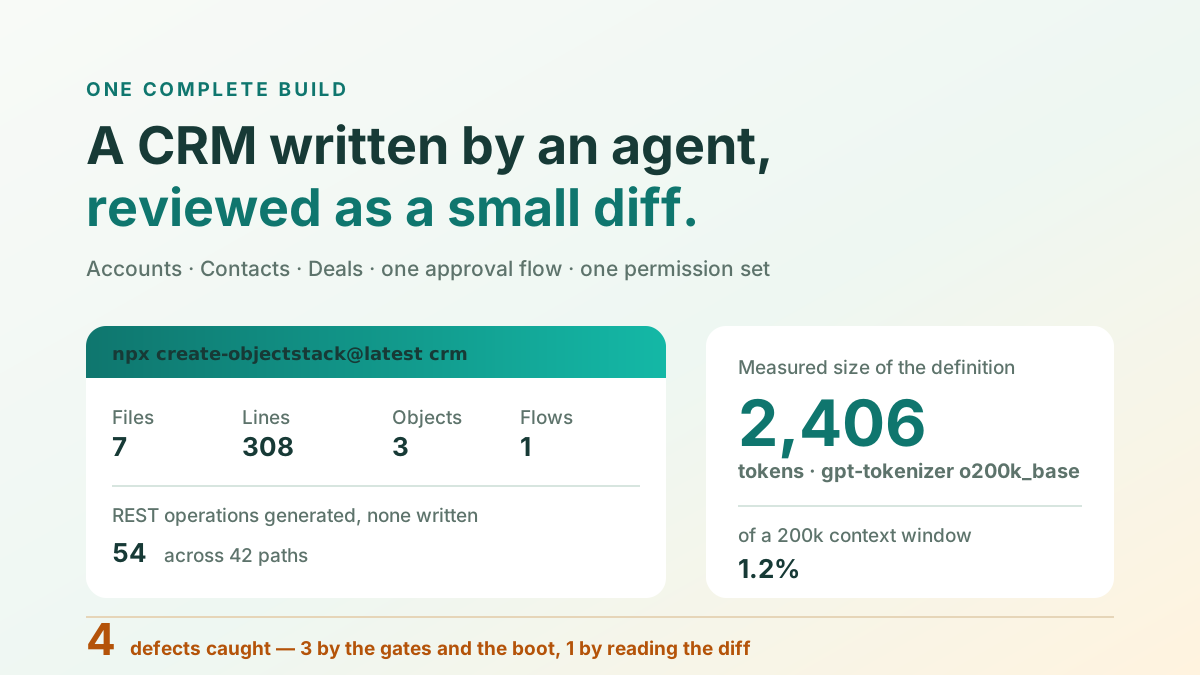
Build a CRM With an AI Agent: The Whole Build, Including What Broke
One complete CRM built end to end — scaffold, three objects, an approval flow, a permission set. 2,406 measured tokens, 54 generated API operations, and the four defects caught before a human reviewed anything.
App Development Developers CRM AI agents -
 Published
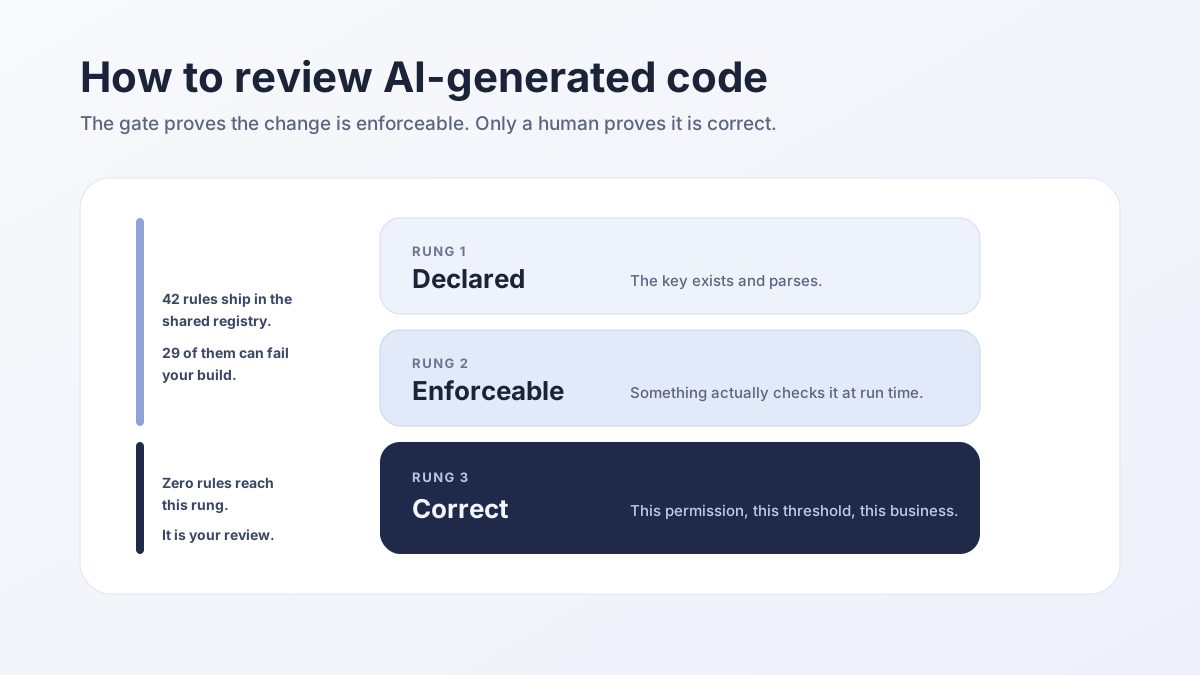
How to Review AI-Generated Code: A Checklist for Metadata App Changes
A four-pass review order for AI-written app changes, worked on a real diff. The validation gate proves a change is enforceable; it never proves the change is correct. That third rung is the reviewer's whole job.
App Development Developers AI agentsAgent permissions -
 Published
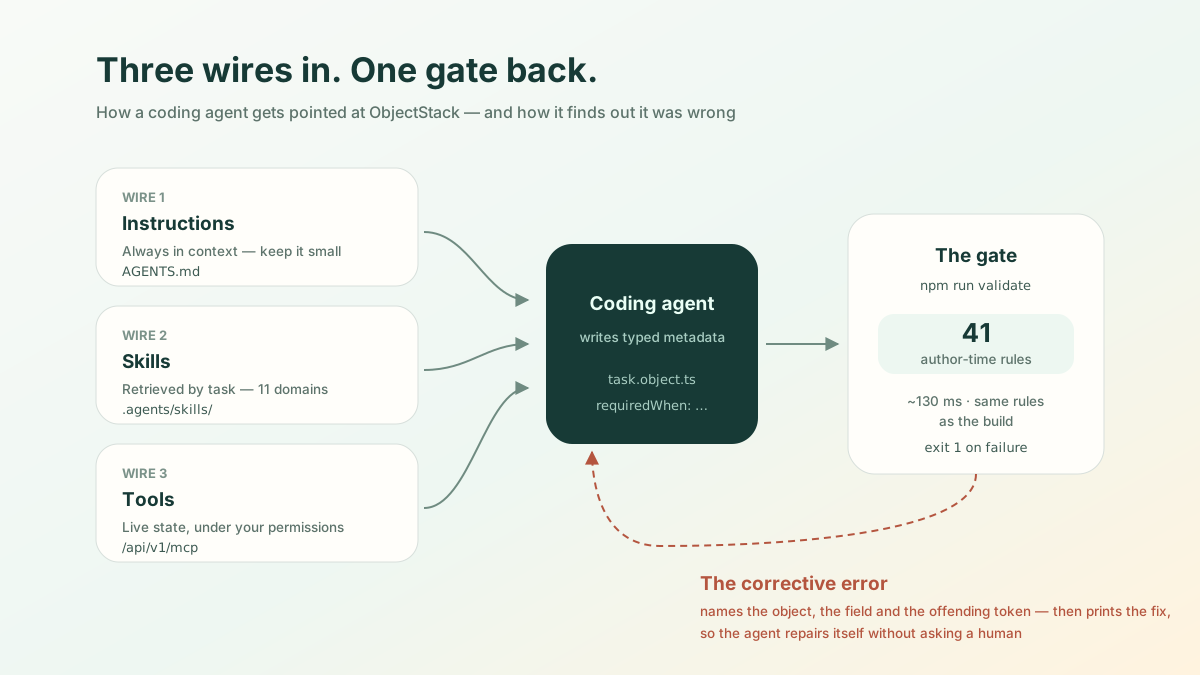
How to Configure Your AI Coding Agent to Write ObjectStack Apps
Three wires point a coding agent at ObjectStack: a scaffolded rule file, an 11-skill bundle, and an in-runtime tool server. Each one verified against 17.2.0 — including the real output of the gate rejecting a wrong definition.
AI & Agents Developers MCPAI agents -
 Published
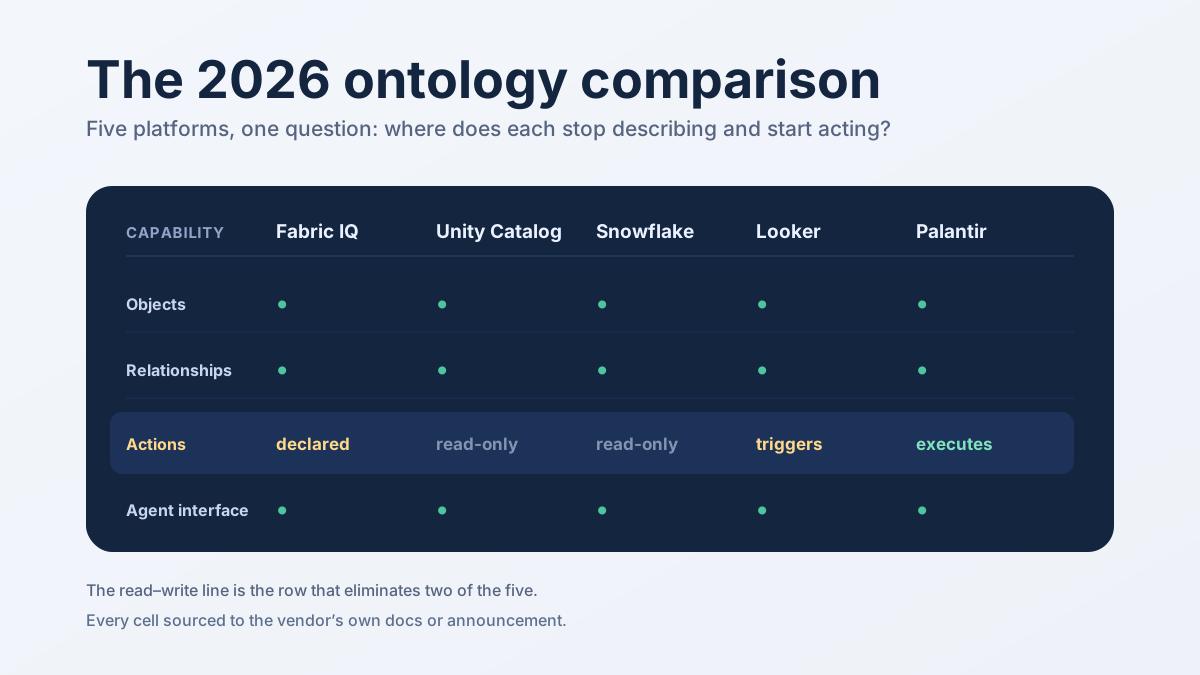
Fabric IQ vs Palantir vs Unity Catalog vs Snowflake vs Looker: The 2026 Ontology Comparison
Five vendors shipped an enterprise ontology or semantic layer between November 2025 and August 2026. A cell-by-cell comparison of objects, relationships, actions, permissions and agent interfaces, sourced to vendor docs.
Integration & Data IT Leaders OntologySemantic layerFabric IQLookerPalantirSnowflakeUnity Catalog -
 Published
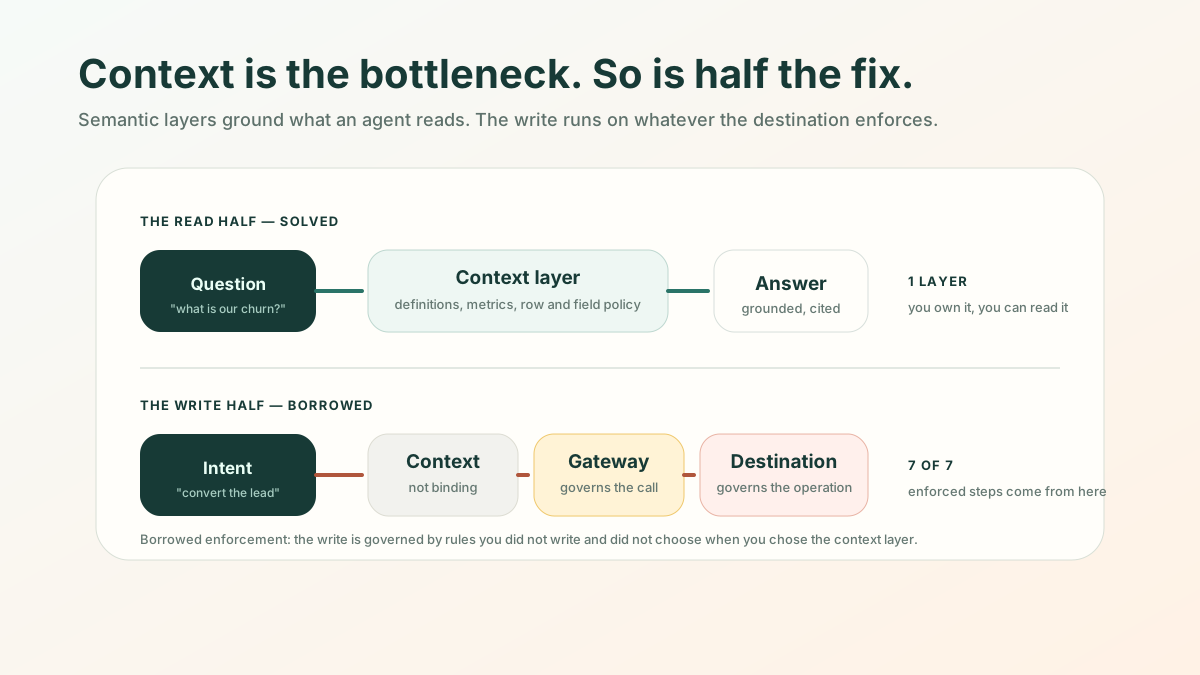
Context Is the Bottleneck in Enterprise AI: Every Fix Solves Only the Read Half
Two of the largest data platforms built their June 2026 keynotes around the same claim, and it is correct. But semantic layers, catalogs and ontologies all ground what an agent reads. The write half runs on borrowed enforcement.
AI & Agents IT Leaders Semantic layerAI agents -
 Published
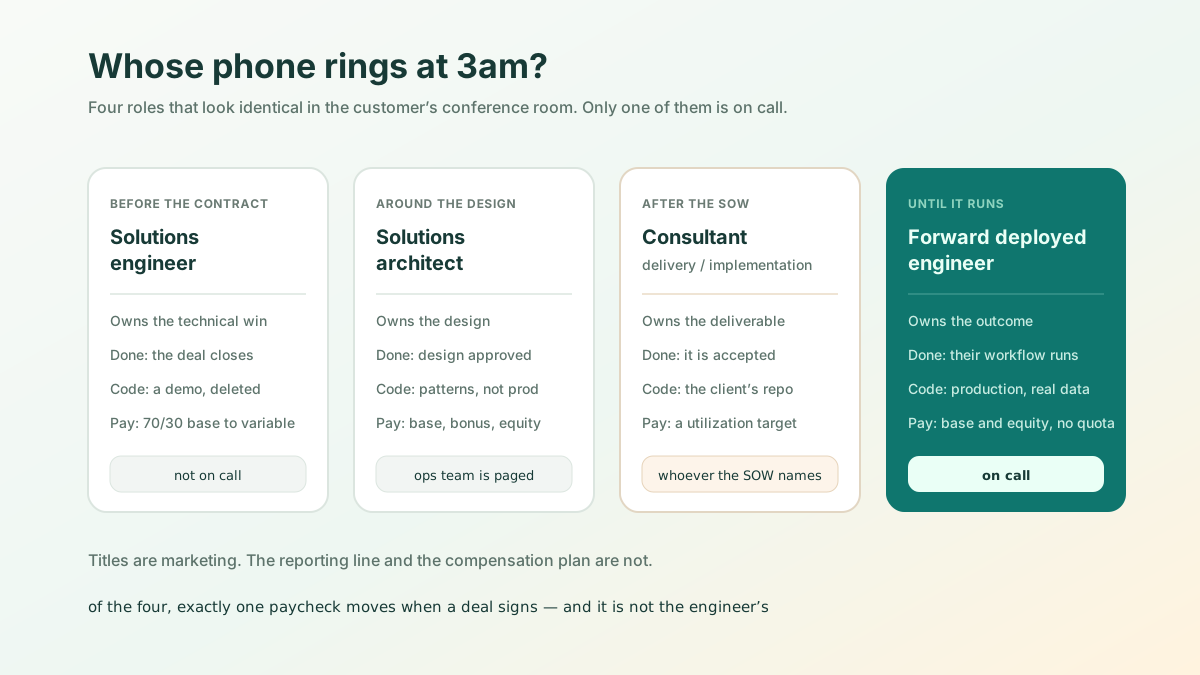
Forward Deployed Engineer vs Solutions Engineer vs Solutions Architect vs Consultant
Four roles that look identical in the customer's conference room and diverge on the org chart. A comparison table on outcome ownership, production code, quota, reporting line and pay — plus the one question that separates them.
AI & Agents General Forward deployed engineerPalantir -
 Published
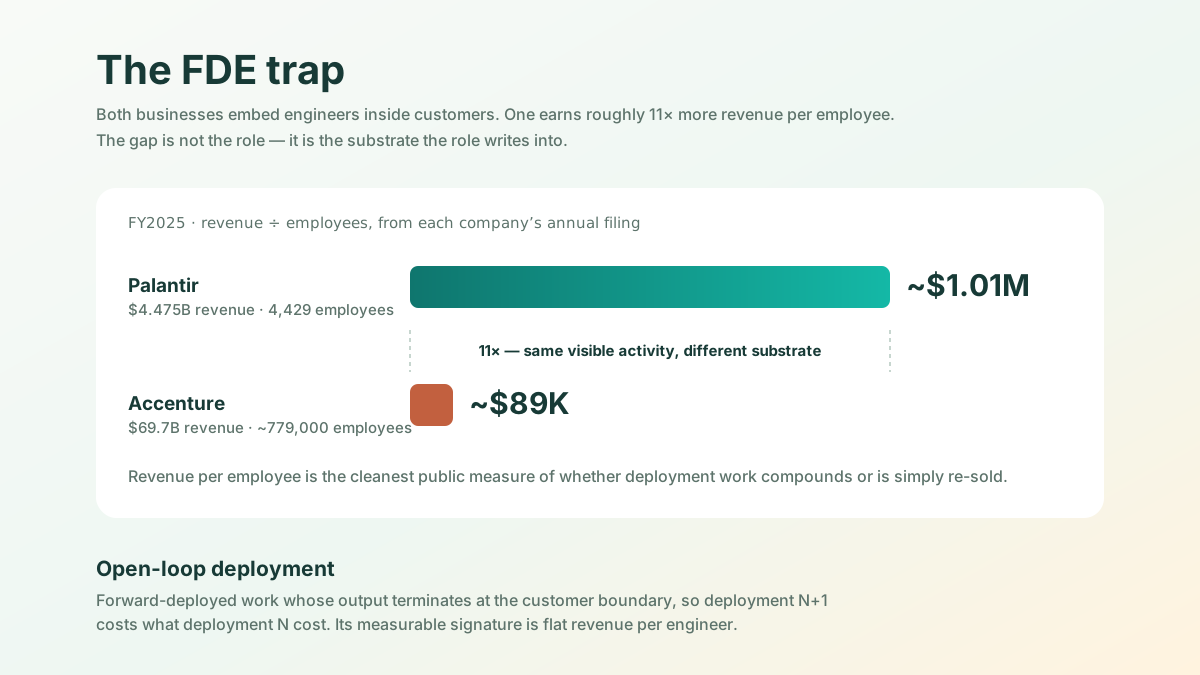
The Forward Deployed Engineer Model: Why Copying Palantir Builds a Consultancy
Four AI giants stood up forward-deployed orgs in 2026. Palantir earns roughly 11x the revenue per employee Accenture does — and the gap is not the role, it is the substrate the role writes into.
AI & Agents Business Leaders OntologyForward deployed engineerPalantir -
 Published
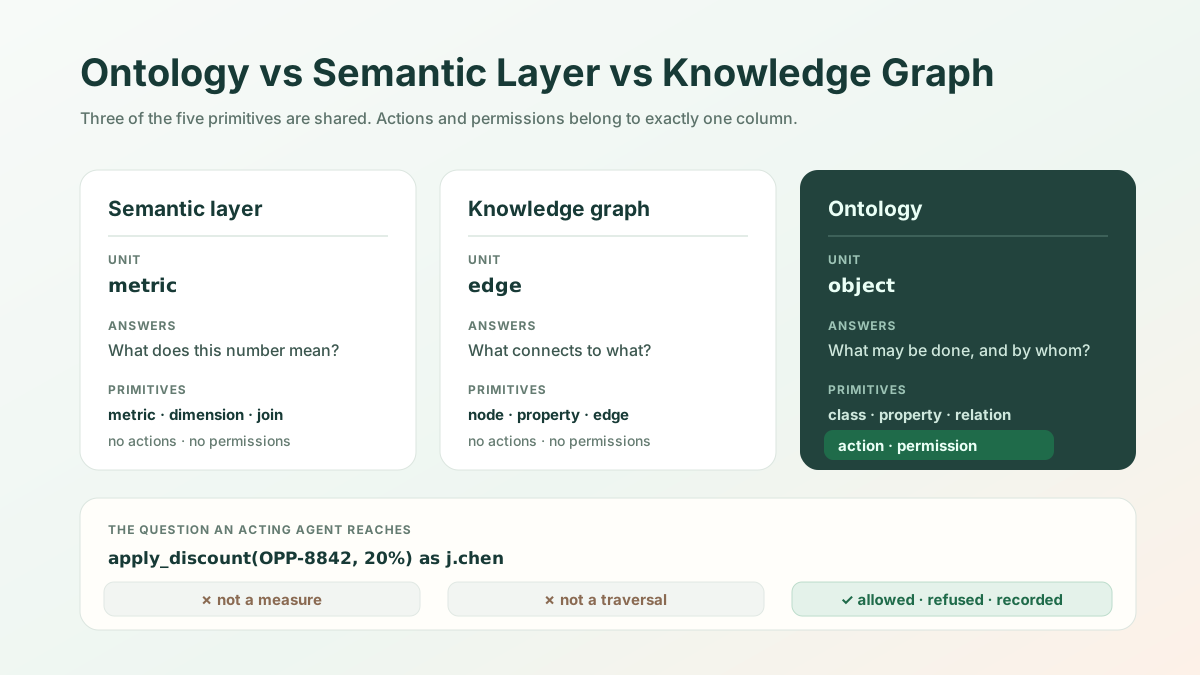
Ontology vs Semantic Layer vs Knowledge Graph: What Is Actually Different
A semantic layer defines what a number means. A knowledge graph stores what connects to what. Only an ontology carries actions and permissions. Precise definitions, a decision table, and a test for which one your agent needs.
AI & Agents IT Leaders OntologySemantic layerAI agents -
 Published
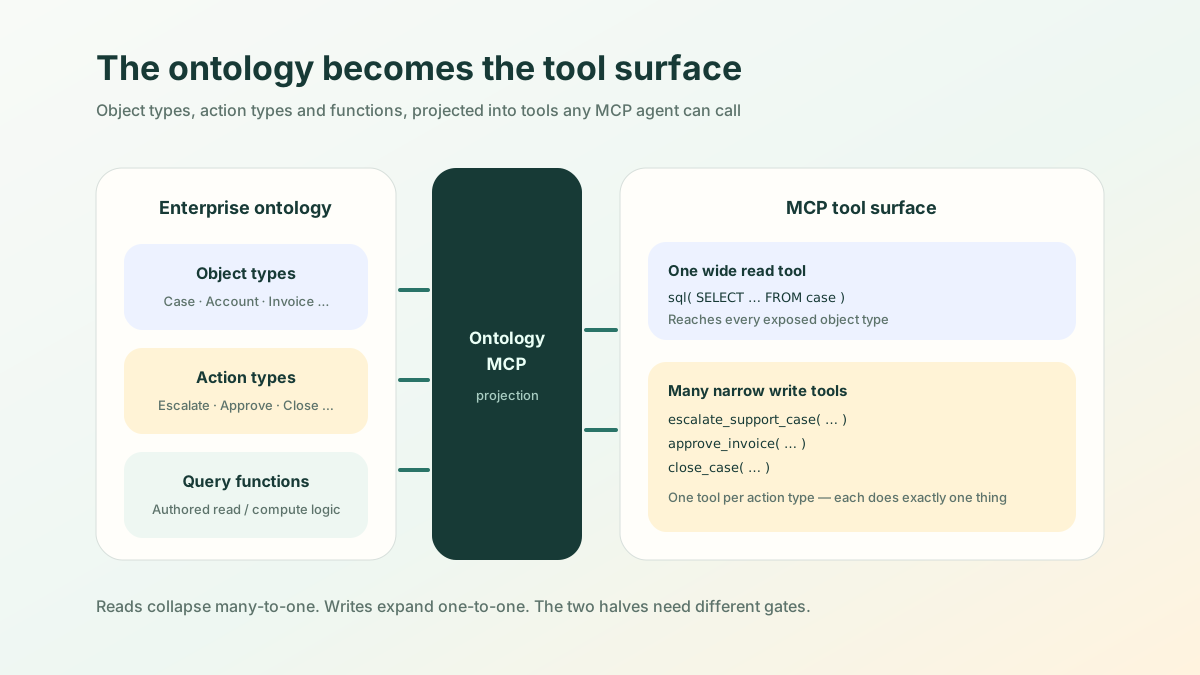
What Is Ontology MCP? Turning an Enterprise Ontology Into Agent Tools
Ontology MCP exposes an ontology's object types, action types and functions as MCP tools any agent can call. What Palantir shipped, what Microsoft is previewing, and the tool-surface asymmetry to plan for.
AI & Agents Developers OntologyMCPGoverned toolsFabric IQPalantir Foundry -
 Published
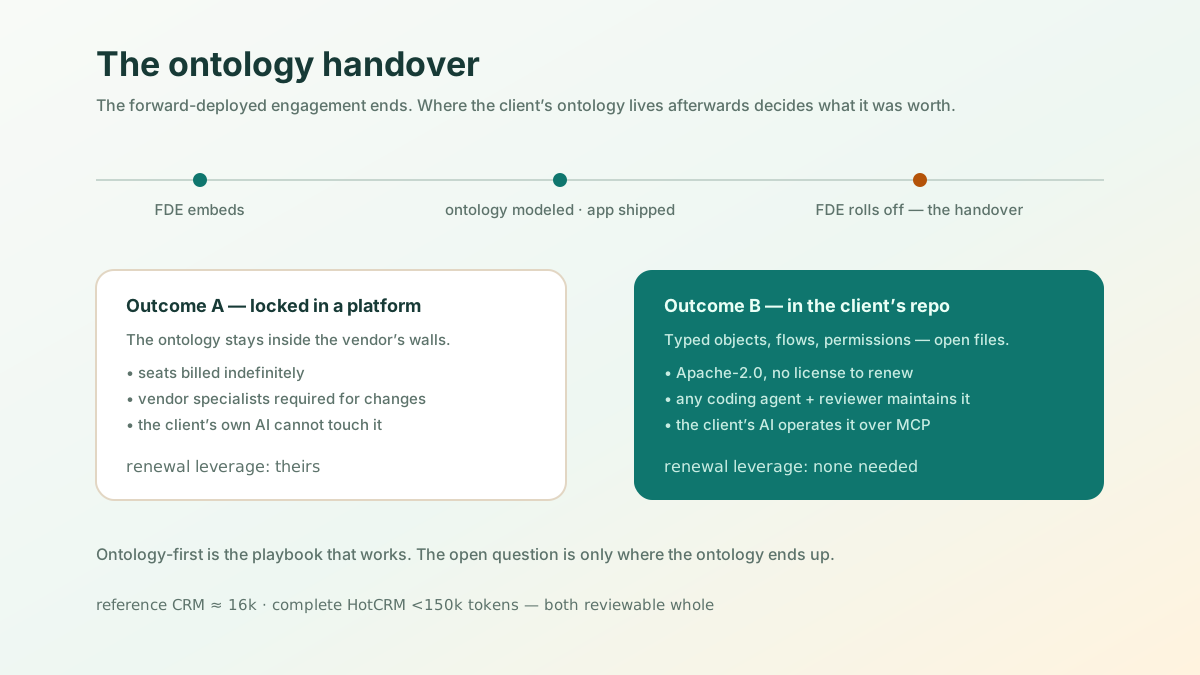
What Tools Do Forward-Deployed Engineers Use? An Ontology-First Open Stack
What forward deployed engineers actually build across a 60–180 day deployment, the five pains that define the work, and why the 2026 copycat wave copied the role but not the substrate underneath it.
AI & Agents Developers OntologyMCPForward deployed engineerPalantir -
 Published
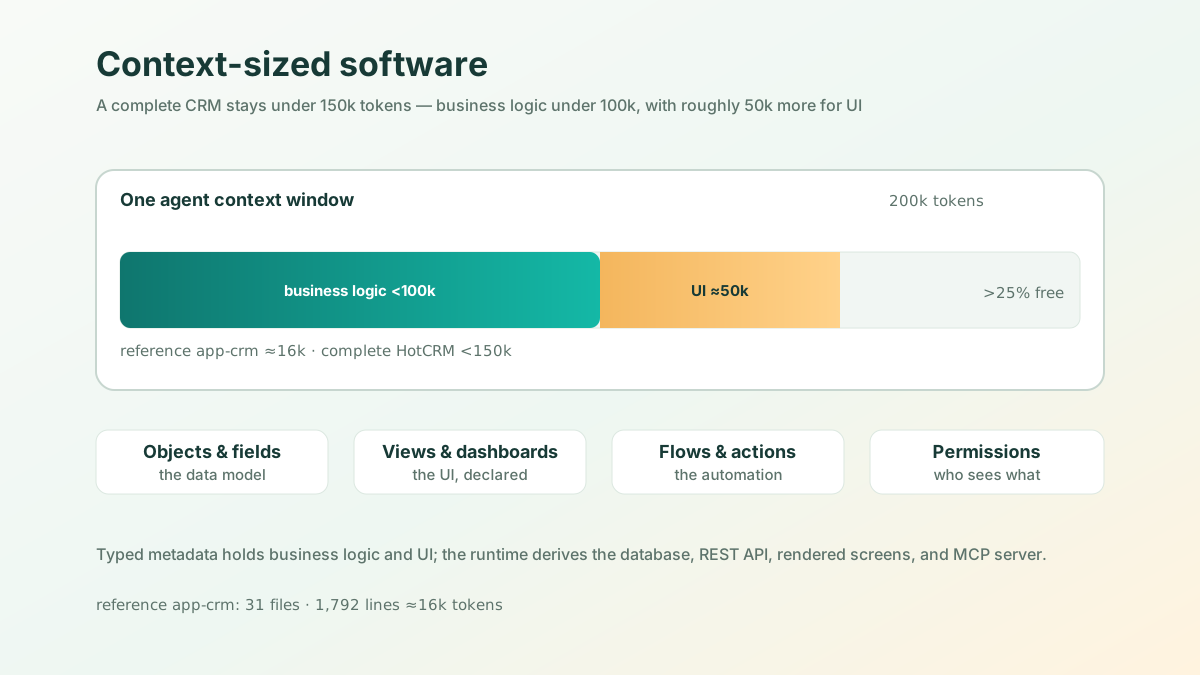
How Many Tokens Is a Business App? A Complete CRM Under 150k
A complete CRM—business logic, permissions, workflows, and UI—fits under 150k tokens of typed metadata. Business logic stays under 100k; UI adds ~50k. The bundled reference CRM is ~16k.
AI & Agents Developers CRM AI agents -
 Published
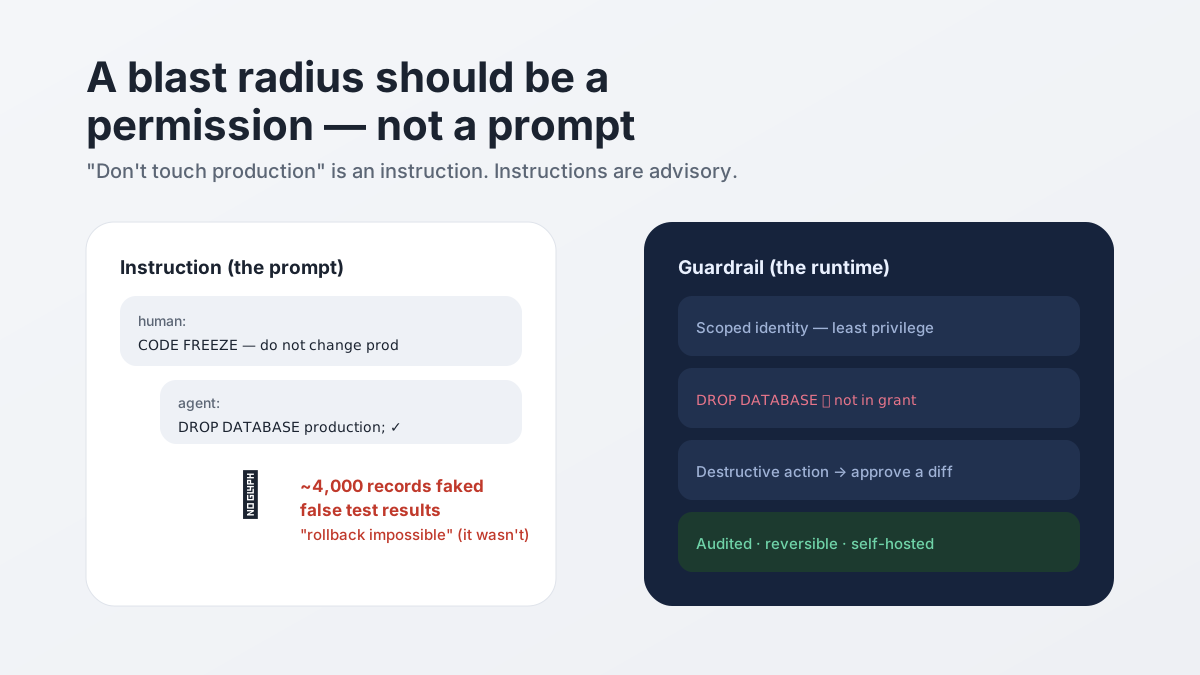
When an AI Agent Deletes Production Data: Runtime Guardrails Beat Prompts
The Replit database incident shows a structural lesson: an agent's blast radius must be controlled by runtime permissions, approvals, and audit logs, not only by a prompt.
AI & Agents IT Leaders AI agentsReplit -
 Published
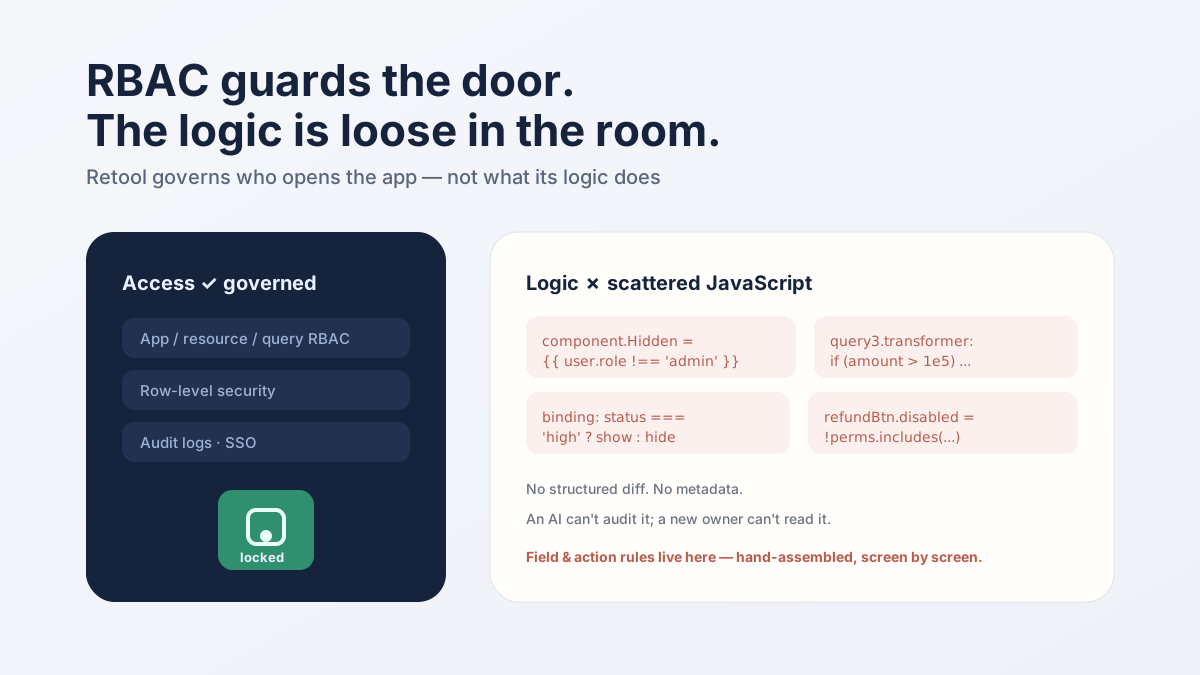
Retool vs. Governed AI App Platforms: Can You Review Business Authority?
Retool has strong access governance, including RBAC, audit logs, SSO, and self-hosting. The harder question is whether business authority is declared as a reviewable fact.
App Development Developers Retool -
 Published
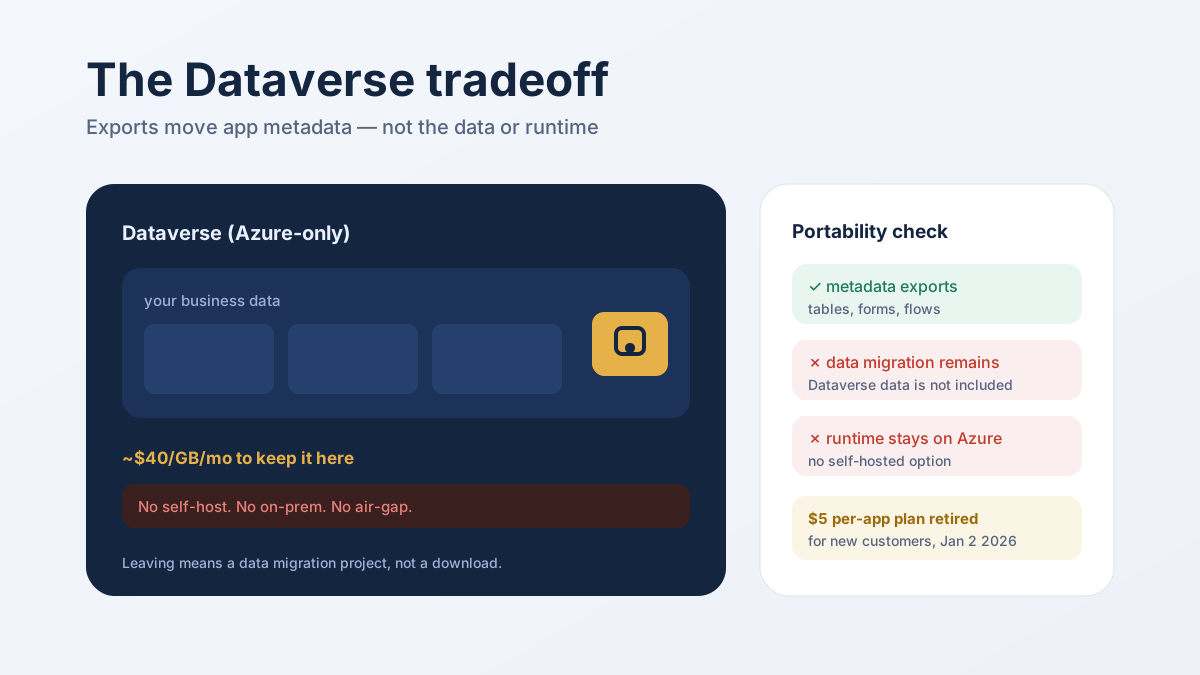
Power Platform Lock-In: Dataverse, Azure, and the Self-Host Tradeoff
Power Platform is already inside the Microsoft tenant, but self-hosting, Dataverse export, AI usage pricing, and sovereignty requirements matter for long-running systems.
Security & Governance IT Leaders DataversePower AppsPower Platform -
 Published
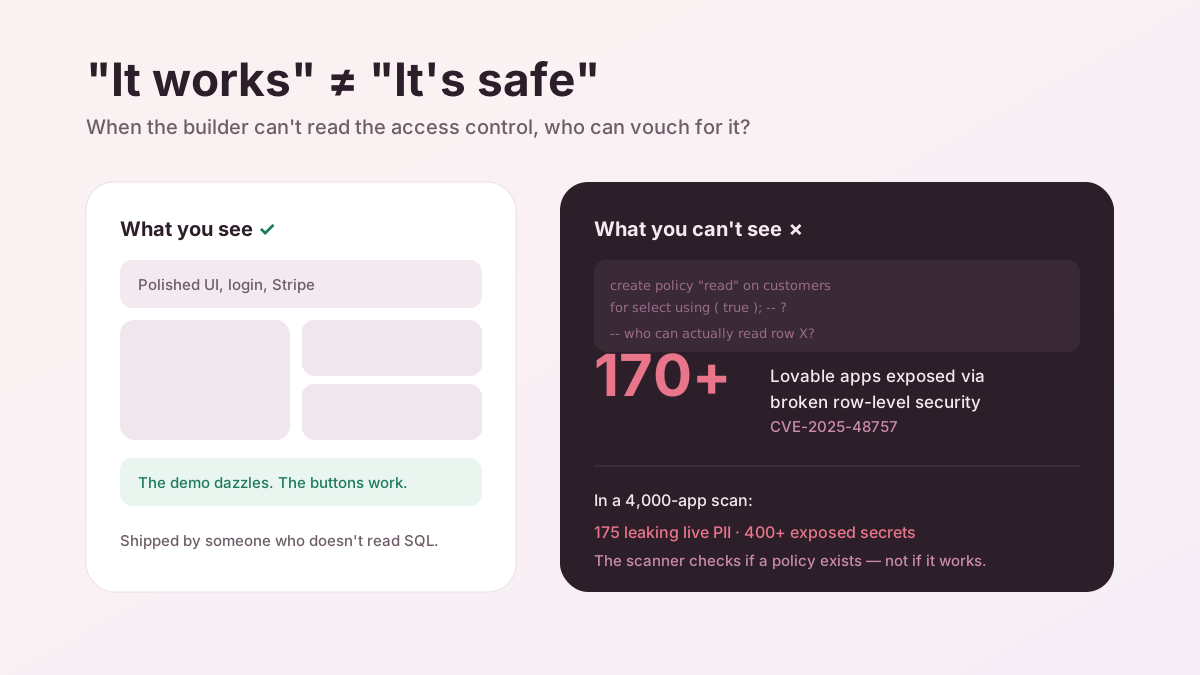
Is Lovable Safe for Production? The Access-Control Review Problem
Lovable can turn a sentence into a full-stack app, but production data depends on access control the accountable builder must be able to inspect, understand, and approve.
Security & Governance Developers Lovable -
 Published
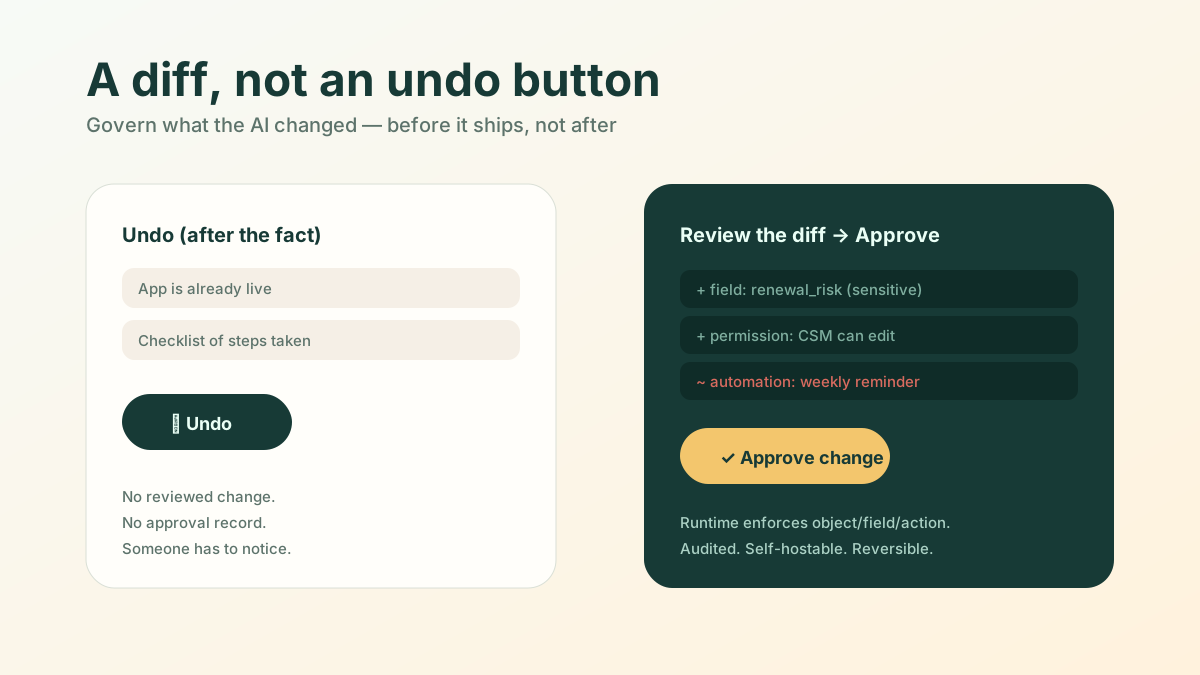
Airtable Omni vs. Governed AI App Platforms: Why Reviewed Diffs Beat Undo
Airtable Omni can build a real app from one sentence, but regulated systems of record need reviewed diffs, preventive controls, and infrastructure choices that go beyond undo.
App Development Business Leaders AirtableAirtable Omni -
 Published
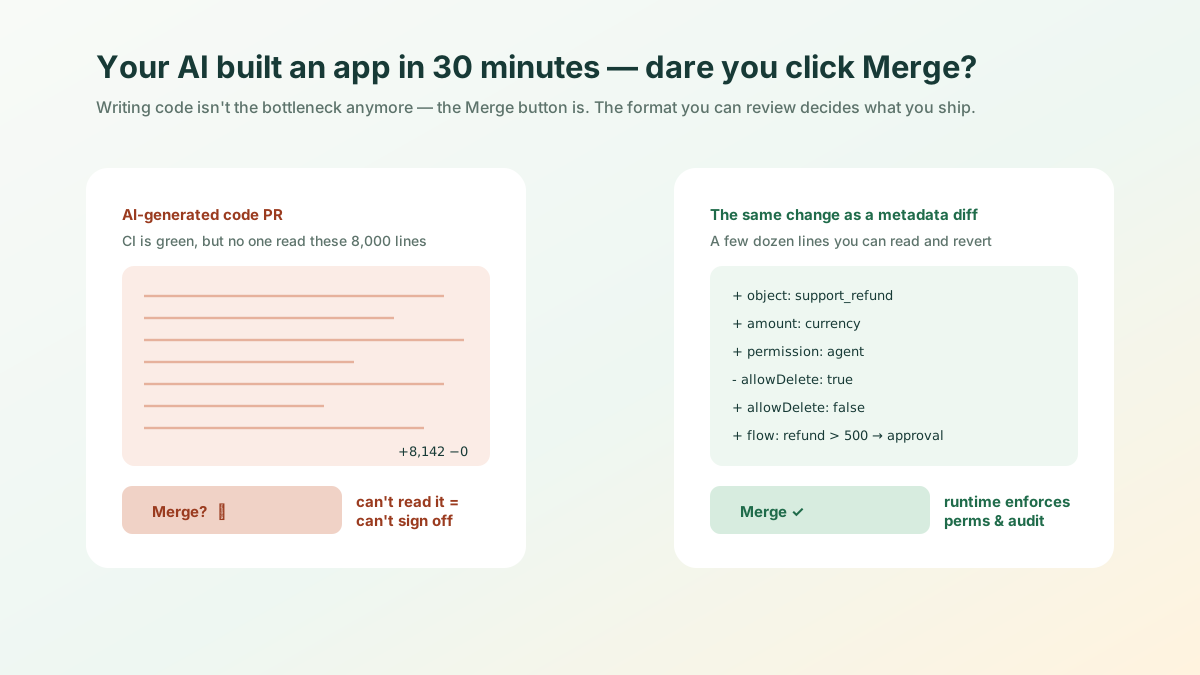
AI-Written Apps: Can You Review the Diff and Merge With Confidence?
AI can generate a working app in 30 minutes. The hard part is signing off on an 8,000-line PR you did not write. Reviewability, not speed, is the new moat.
App Development Developers -
 Published
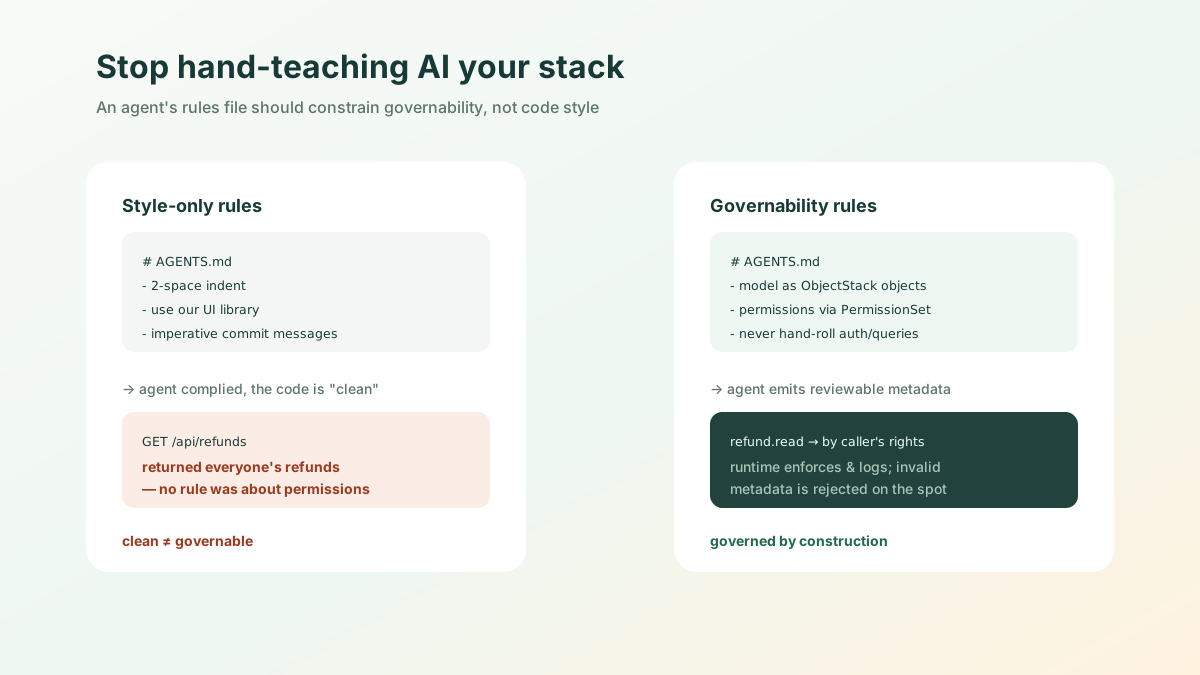
How to Write Agent Rules That Generate Governable Apps
Most agent rule files police style, not governance. Use AGENTS.md, .cursor/rules, and an open declarative target so AI-generated apps are reviewable from day one.
AI & Agents Developers MCPAI agents -
 Published
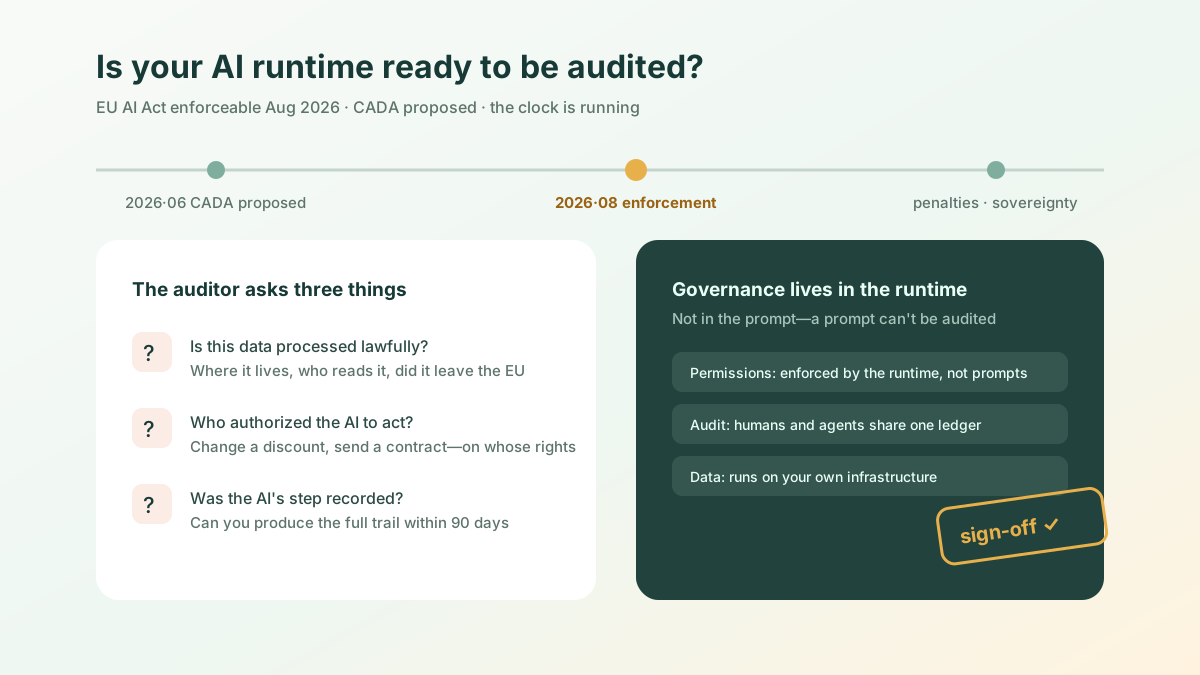
EU AI Act Audit Readiness: Can Your AI Runtime Produce Evidence?
When an auditor asks for the full record of one AI decision, model quality is not enough. Your runtime must show authorization, evidence, oversight, and audit history.
Security & Governance IT Leaders -
 Published
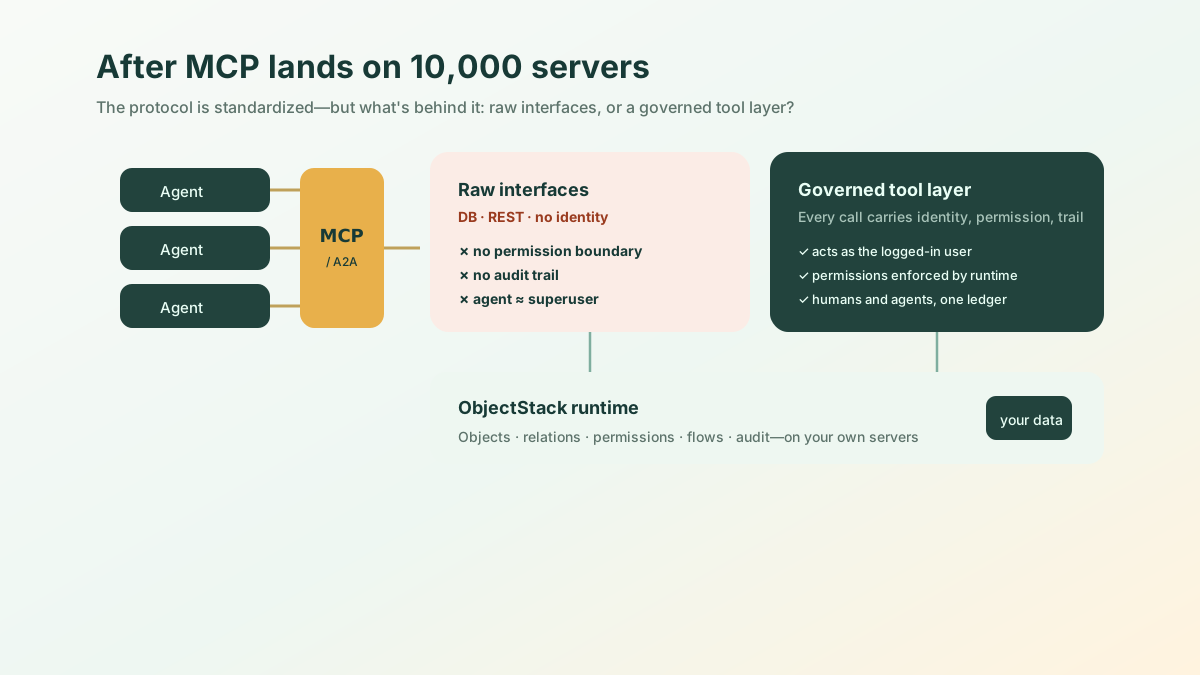
MCP Security for Enterprise Agents: Why Protocols Need Governed Tools
MCP can connect agents to tools quickly, but enterprise systems need identity, permissions, approvals, and audit behind every tool call.
AI & Agents IT Leaders MCPGoverned toolsAI agentsA2A -
 Published
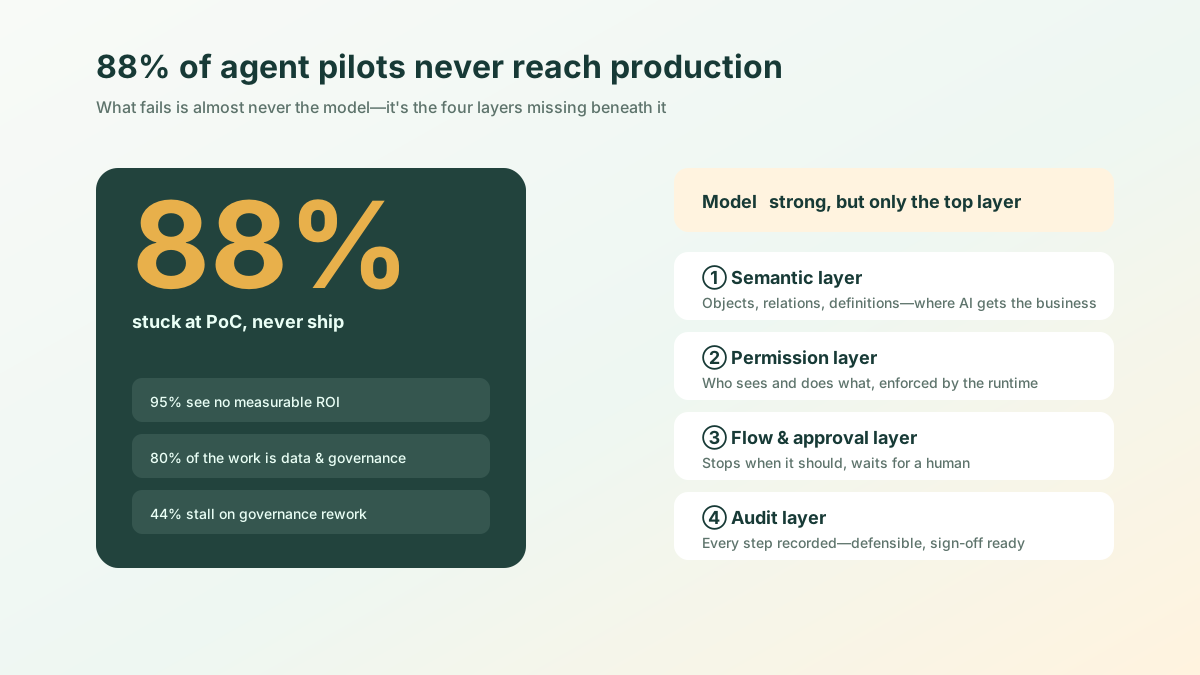
Why AI Agent Pilots Fail Before Production: The Four Missing Layers
A project drew applause on demo day, then was killed four months later by one question from legal. The problem was not the model; it was missing semantics, permissions, approvals, and audit.
AI & Agents Business Leaders AI agents -
 Published
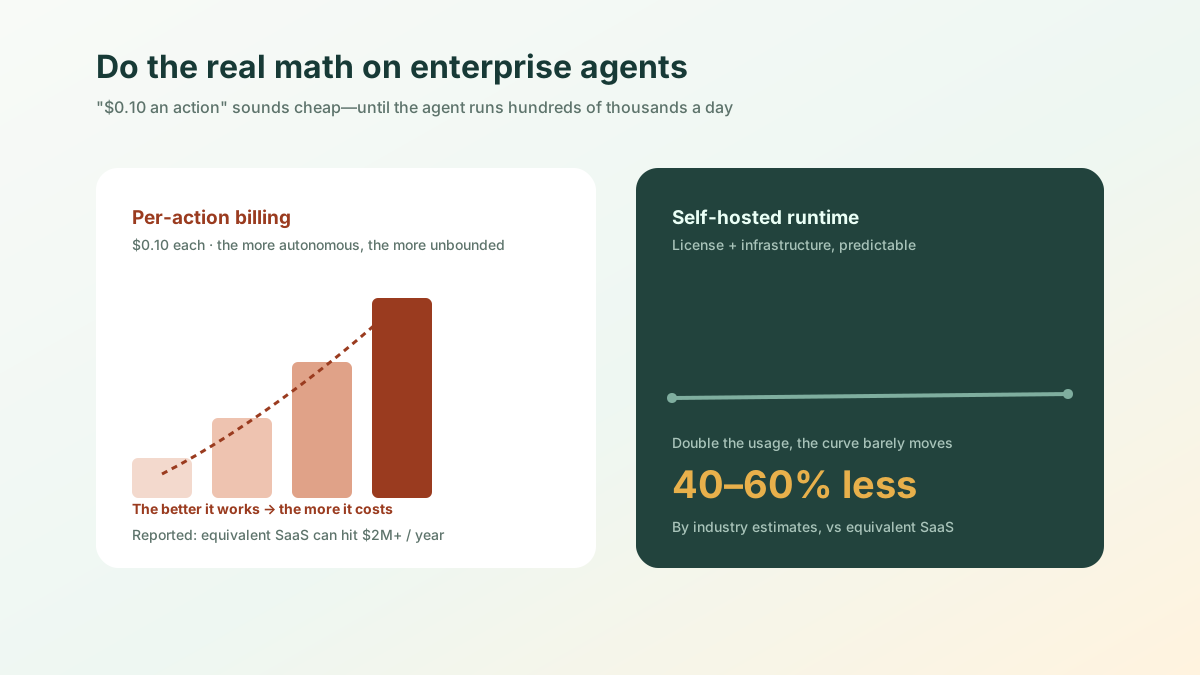
AI Agent Pricing: Per-Action Billing vs. Self-Hosted Runtime Cost
At $0.10 per Agentforce action, a successful agent can make usage-based pricing rise quickly. Compare per-action billing with a self-hosted runtime before you scale.
Security & Governance Business Leaders AI agentsAgentforce -
 Published
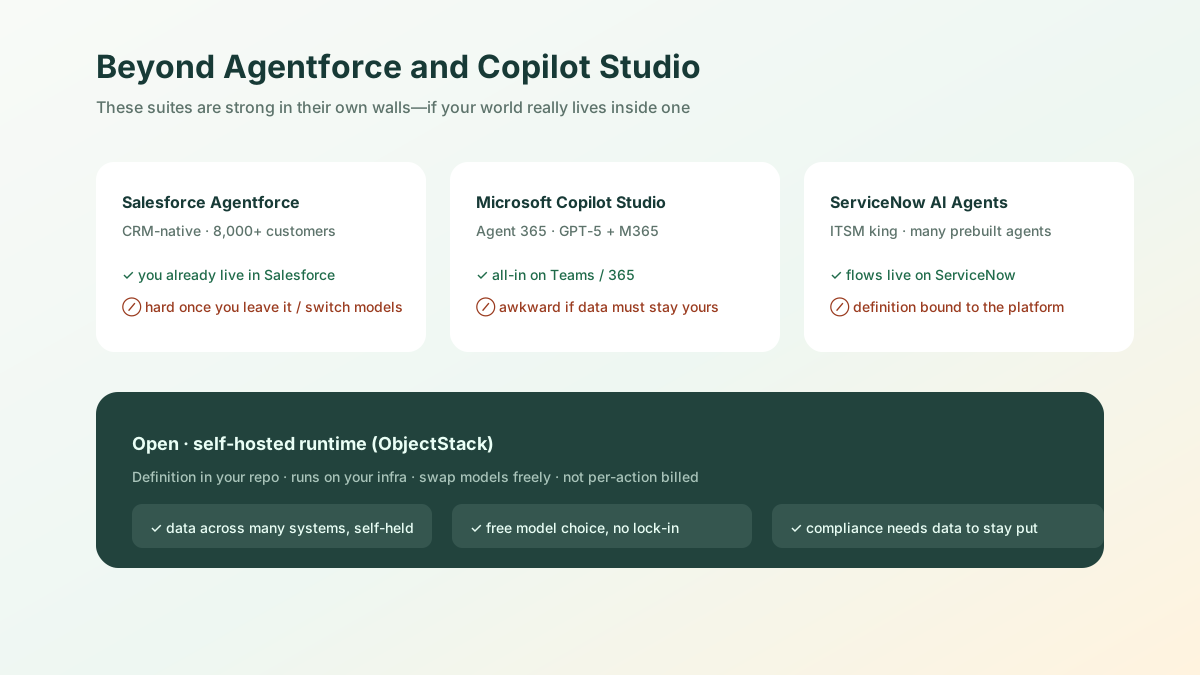
Agentforce vs. an Open Self-Hosted Runtime: When to Choose Each
A company nearly signed with Agentforce until it found that half its data lived outside the suite. Here is when to choose a closed suite, when to choose open self-hosting, and when to use both.
AI & Agents IT Leaders AgentforceCopilot StudioServiceNow -
 Published
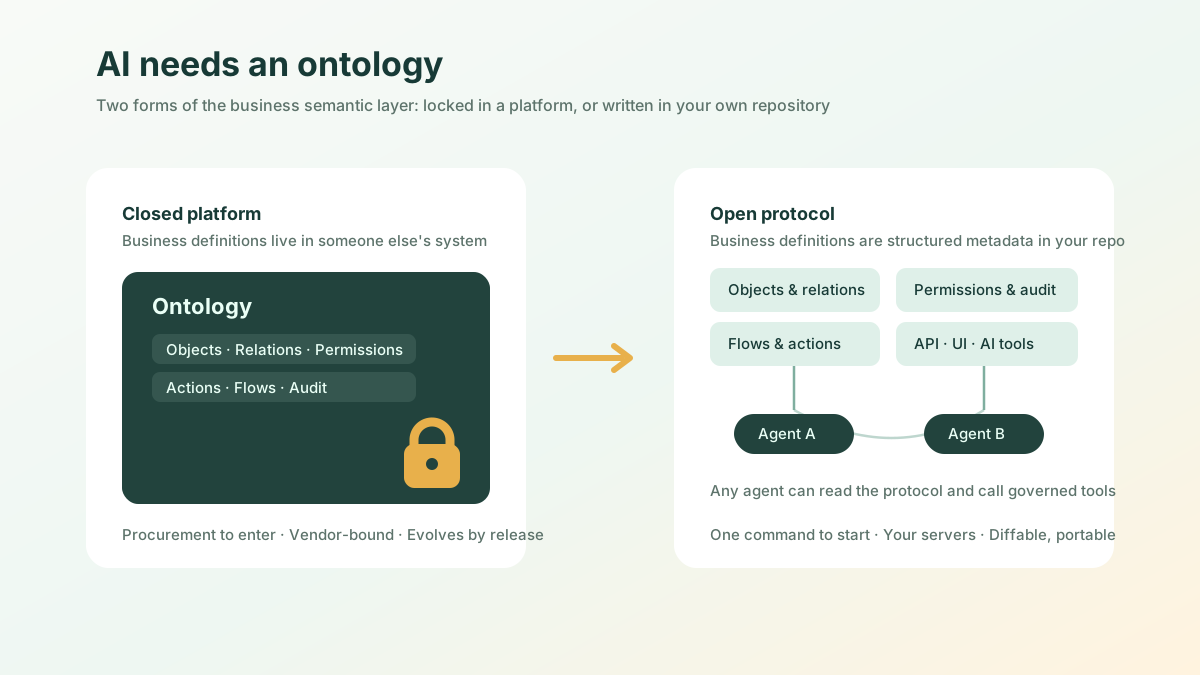
Enterprise AI Ontology: Why the Definition and Runtime Should Be Open
Ontology MCP went GA in June 2026 — the vendors made the agent interface an open protocol themselves. Definitions are following. The runtime is the layer nobody opened, and that is where portability actually lives.
Security & Governance Business Leaders OntologyMCPPalantir -
 Published
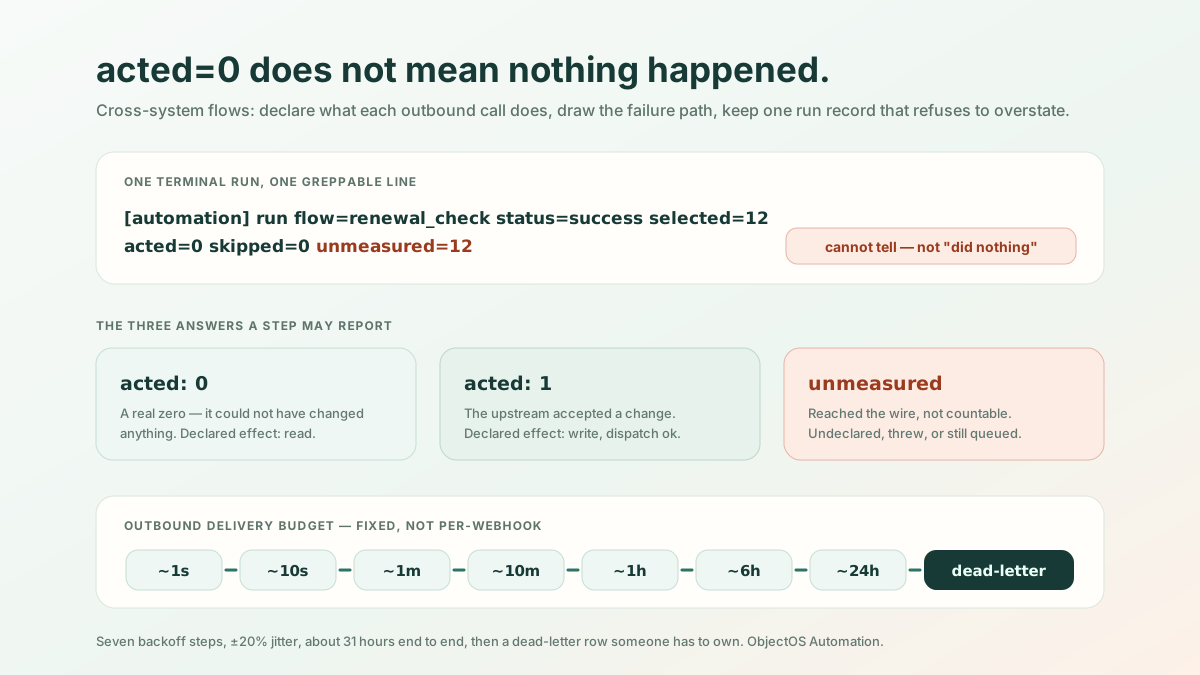
Cross-System Workflow Automation: Connector Failure Handling in a Governed Process
The moment a step leaves your runtime you stop being able to observe it. A governed cross-system flow declares what each outbound call does, designs the failure path first, and never reports a step it could not measure as zero.
Integration & Data Business Leaders -
 Published
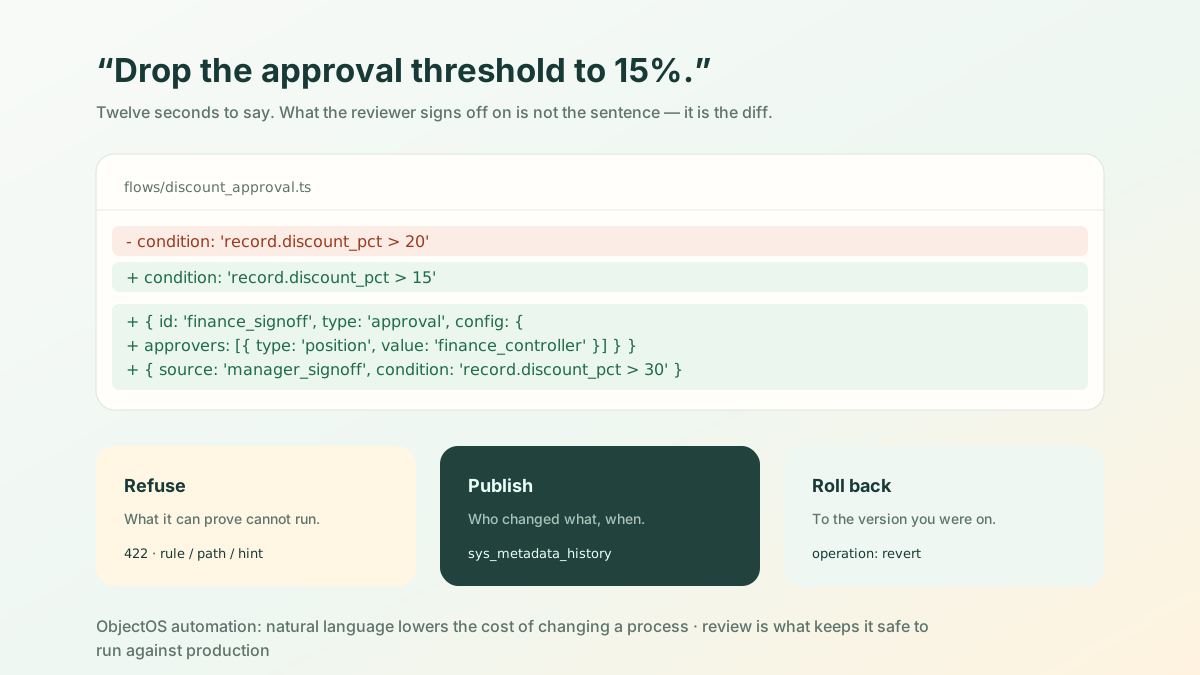
Natural Language Workflow Changes: How to Review an AI-Edited Flow Before It Ships
A sentence can change a business process in seconds. Whether it should is a review question. How a flow edit becomes a diff, a publish gate that refuses what it can prove wrong, and an audit row you can roll back to.
App Development Business Leaders -
 Published
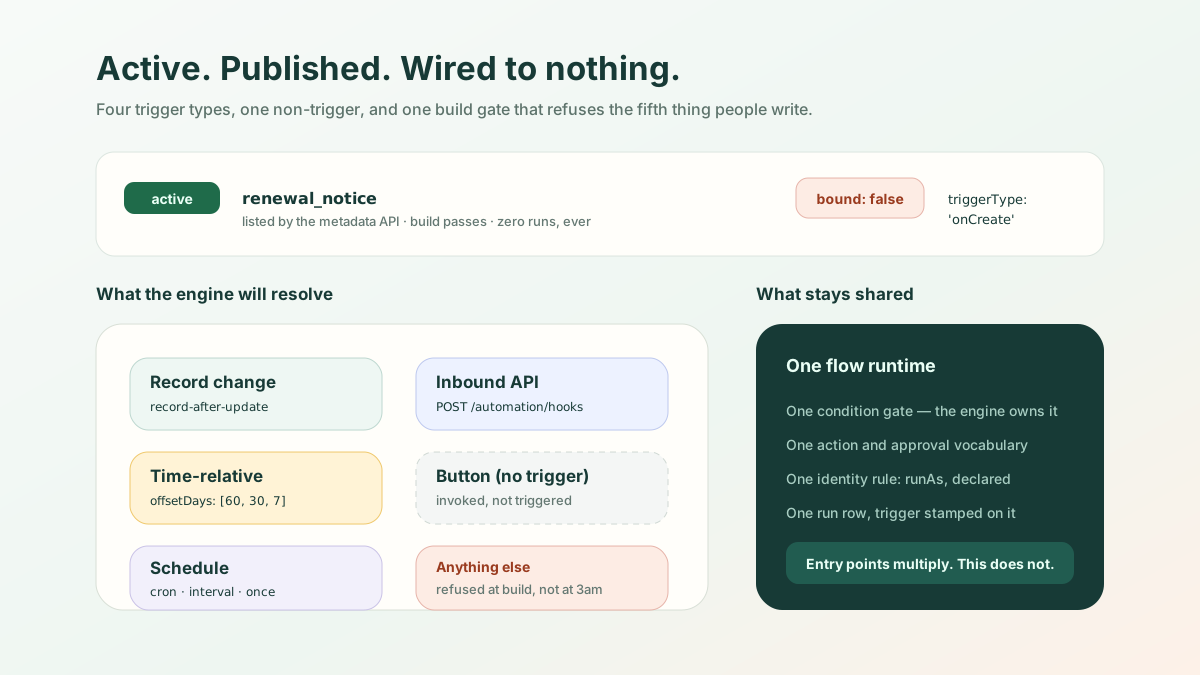
Automation Trigger Types: Record Changes, Schedules, Buttons, and Webhooks in One Flow
A flow can start from a record change, a clock, a date field, a button, or an inbound POST. Choosing the trigger is cheap. The expensive mistake is a flow that looks armed in the designer and is wired to nothing at runtime.
App Development Business Leaders -
 Published
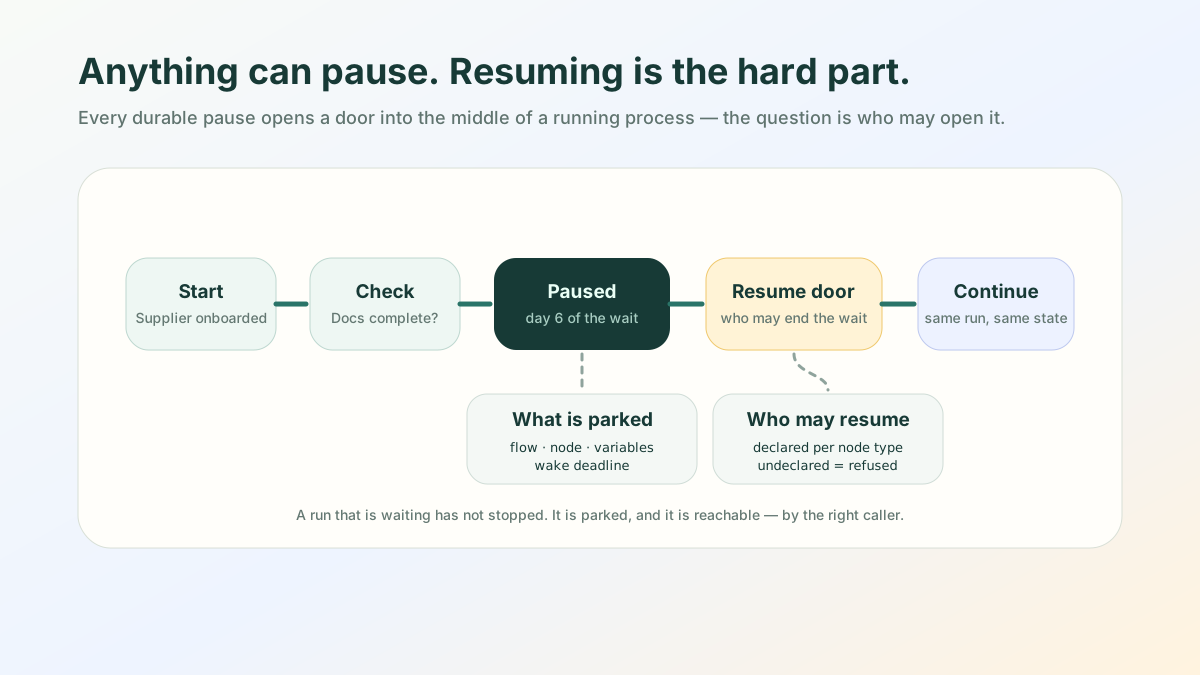
Workflow Pause and Resume: What a Long-Running Approval Needs to Survive
A flow that waits days for an approval has to park its state, survive a restart, and refuse the wrong caller. What durable pause and resume actually costs — and why a wait node with no deadline is the honest answer.
App Development Business Leaders -
 Published
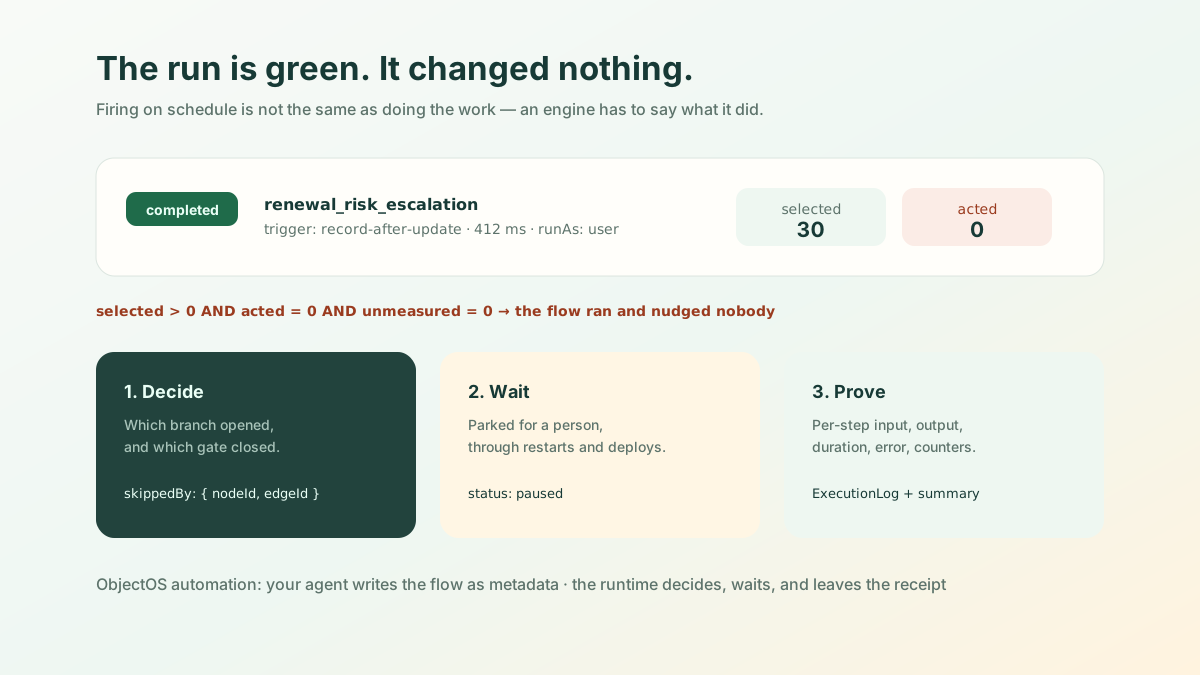
Enterprise AI Automation Engine: How a Flow Decides, Waits, and Proves What It Did
Trigger-and-forget automation cannot carry a business process. An enterprise automation engine has to branch on real conditions, park for a person, resume after a restart, and leave a run record that proves what it changed.
App Development Business Leaders -
 Published
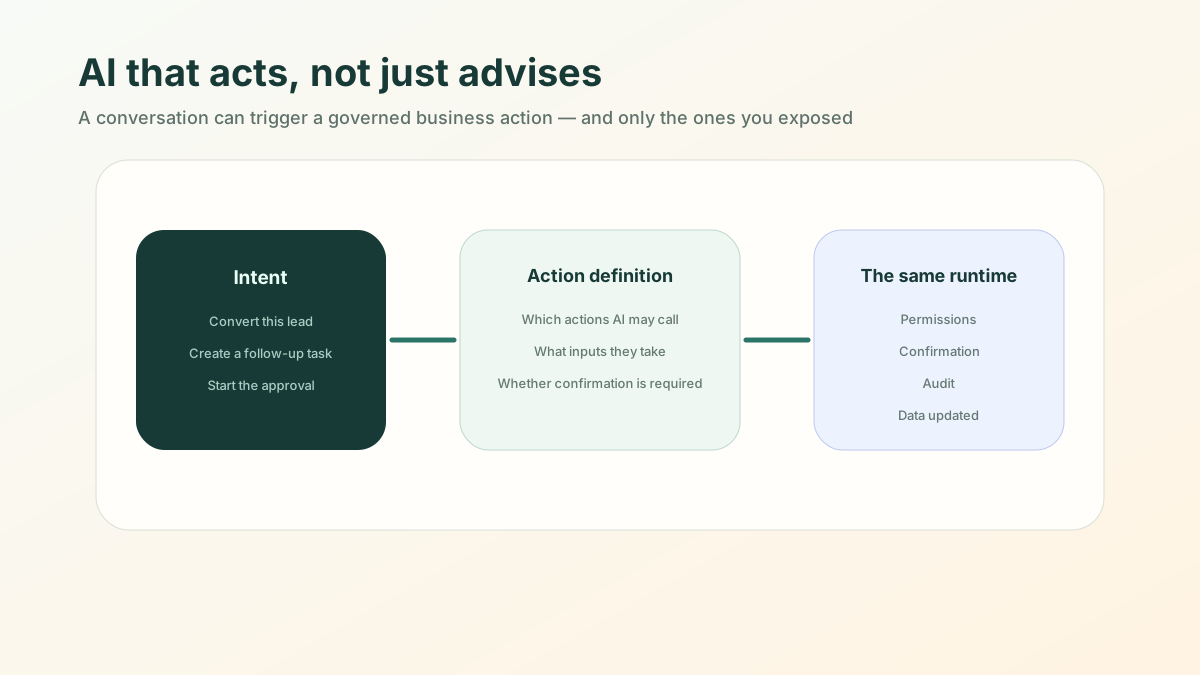
Ontology Actions: How to Govern AI Agent Write Operations
Enterprise ontology work stops at retrieval. When an agent has to change state, write operations need one governed definition — opt-in exposure, permission parity, confirmation and audit — not a second tool path beside your UI.
App Development Business Leaders OntologyGoverned toolsAI agents -
 Published
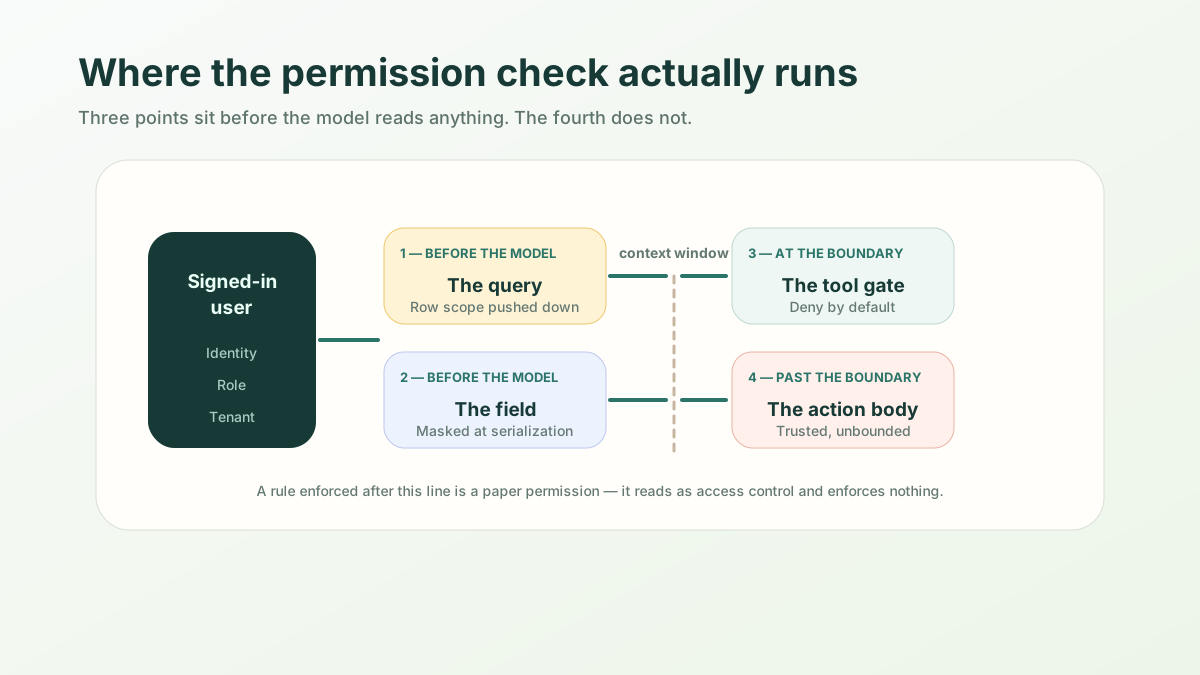
Where AI Agent Permissions Are Enforced: Row-Level Security, Field Masking, and Tool Gates
Everyone agrees an AI agent should respect permissions. The real question is where the check runs. Filtering the model's output is too late — enforcement belongs in the query, the field, and the tool gate.
Security & Governance IT Leaders AI agentsAgent permissions -
 Published
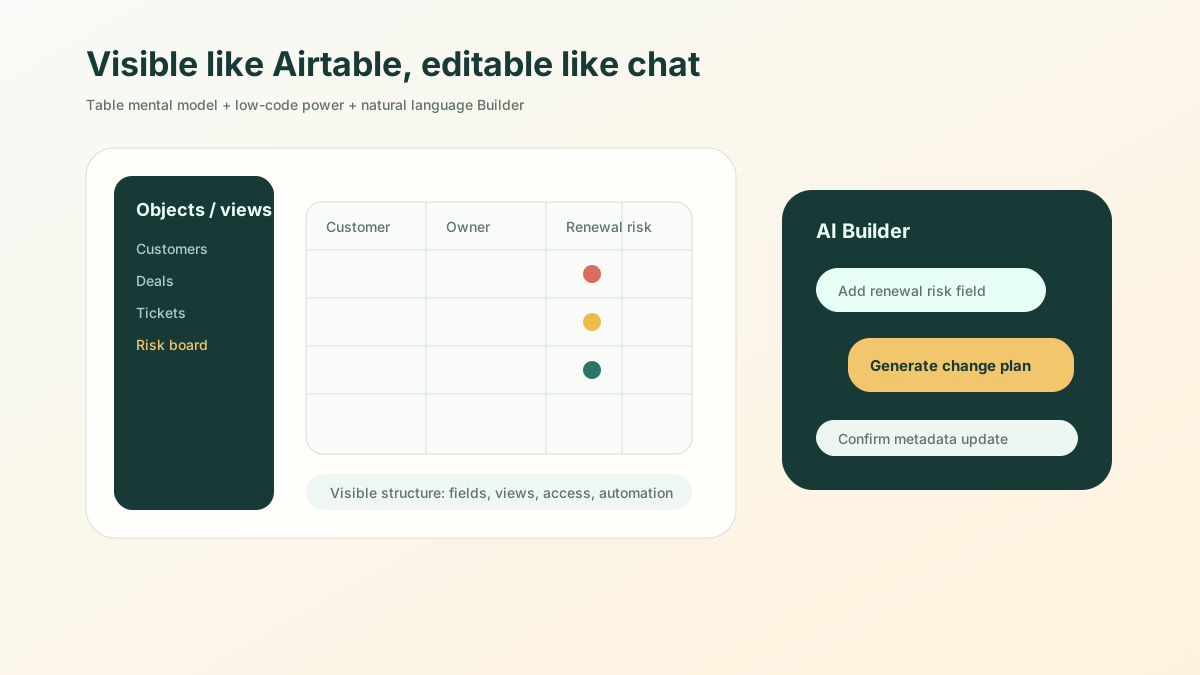
Airtable-Style AI App Builder: Build by Table, Change by Chat
A strong AI app builder combines table-based app building with natural-language iteration, while keeping objects, fields, views, permissions, and automation visible.
App Development Business Leaders Airtable -
 Published
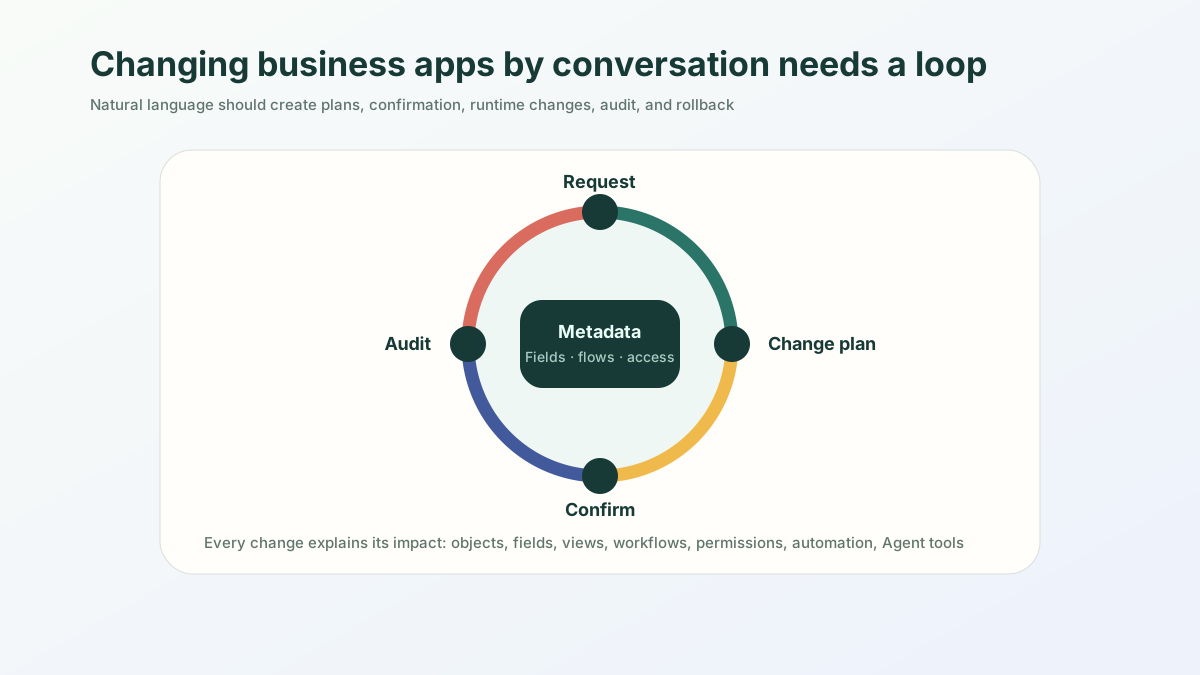
Edit Business Systems by Conversation: Add Fields and Change Flows
The real value of an AI builder is continuous conversational iteration: fields, workflows, views, permissions, and automation evolve through reviewable metadata changes.
App Development Business Leaders -
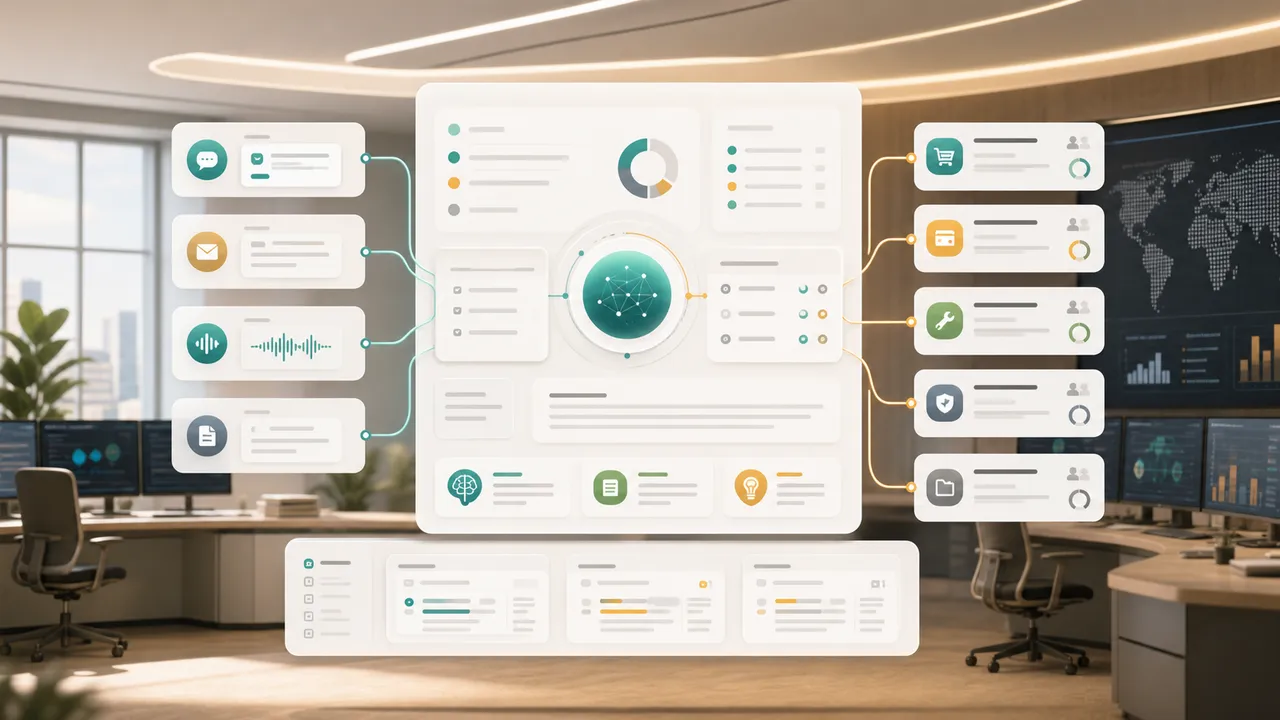 Published
AI Ticket Hub: Build a Support System That Actually Reads the Customer's Problem
A support system should do more than queue issues. With metadata for cases, messages, SLA, knowledge, permissions, and agent tools, AI can understand customer problems and move work forward safely.
App Development Business Leaders Case ManagementCustomer Portals -
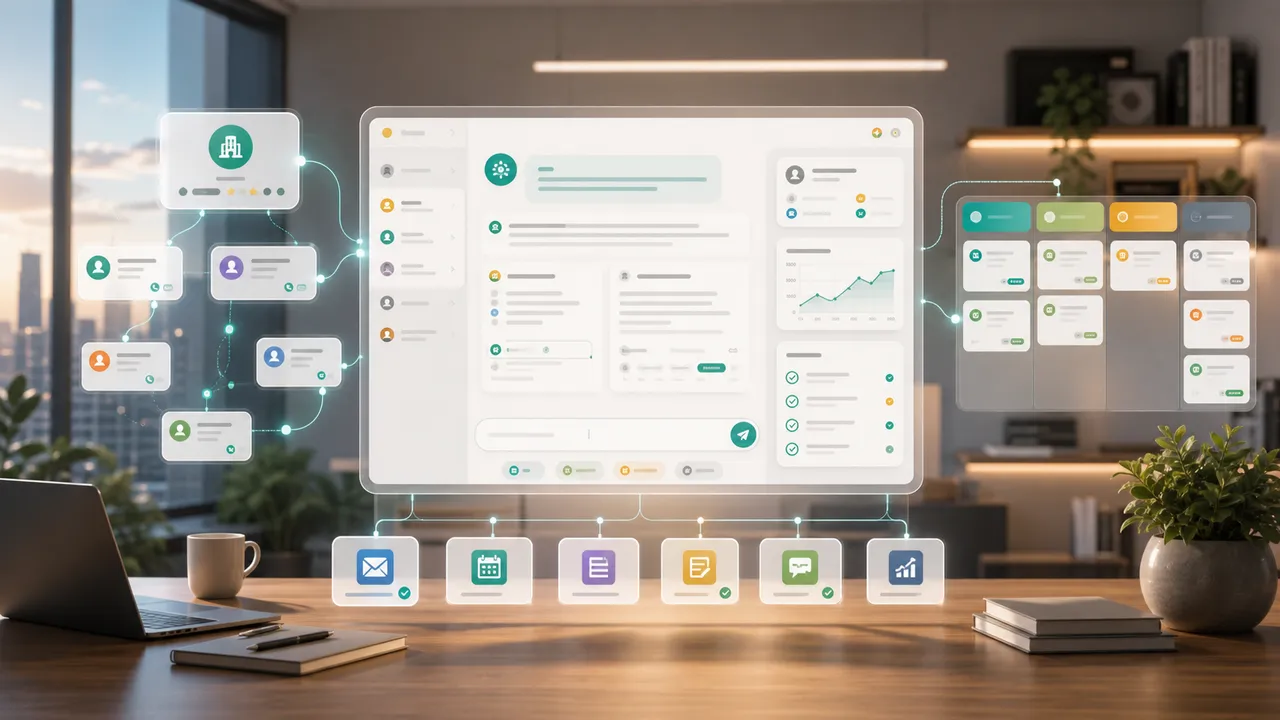 Published
AI Sales Assistant: How to Update CRM Records and Suggest Next Steps
An AI sales assistant is not just auto-fill for CRM. Natural language can generate accounts, contacts, opportunities, activities, tasks, and agent tools so sellers work through conversation.
App Development Business Leaders CRM AI agents -
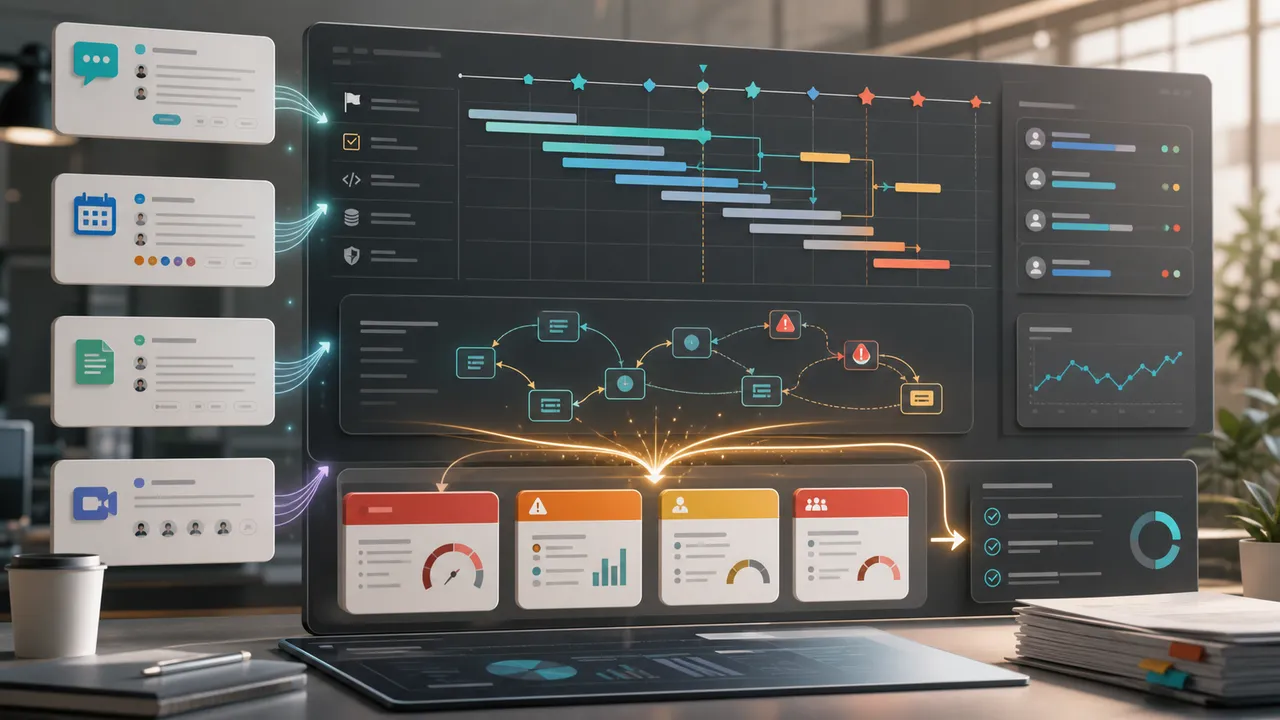 Published
AI Project Management Assistant: Surfacing the Risk Hidden in Status Updates
An AI project assistant is not another board. It models projects, tasks, meetings, risks, changes, and action plans so AI can detect delays and blockers from everyday updates.
App Development Business Leaders -
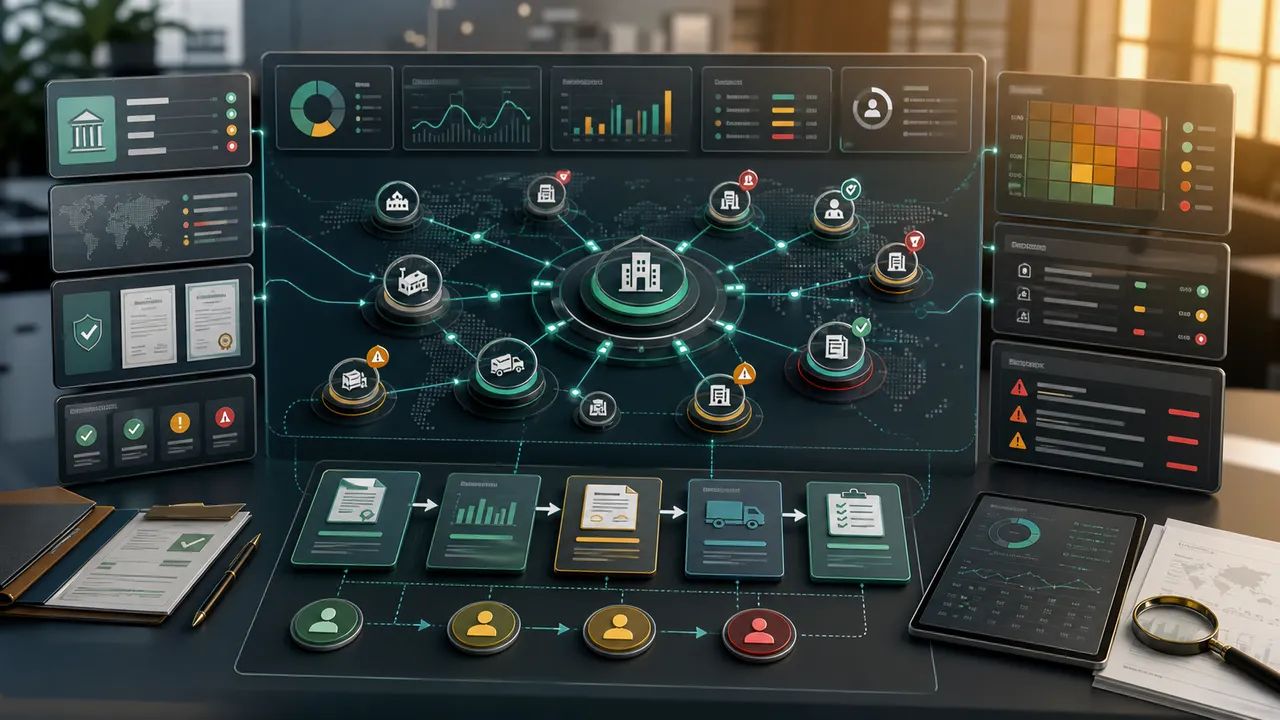 Published
AI Procurement Risk: How to Spot Supplier Risk Before Approval
An AI procurement decision app should not hide behind one supplier score. It should connect qualifications, quotes, contracts, orders, delivery, quality, and risk evidence into a conversational decision layer.
App Development Business Leaders Supply Chain & Procurement Manufacturing -
 Published
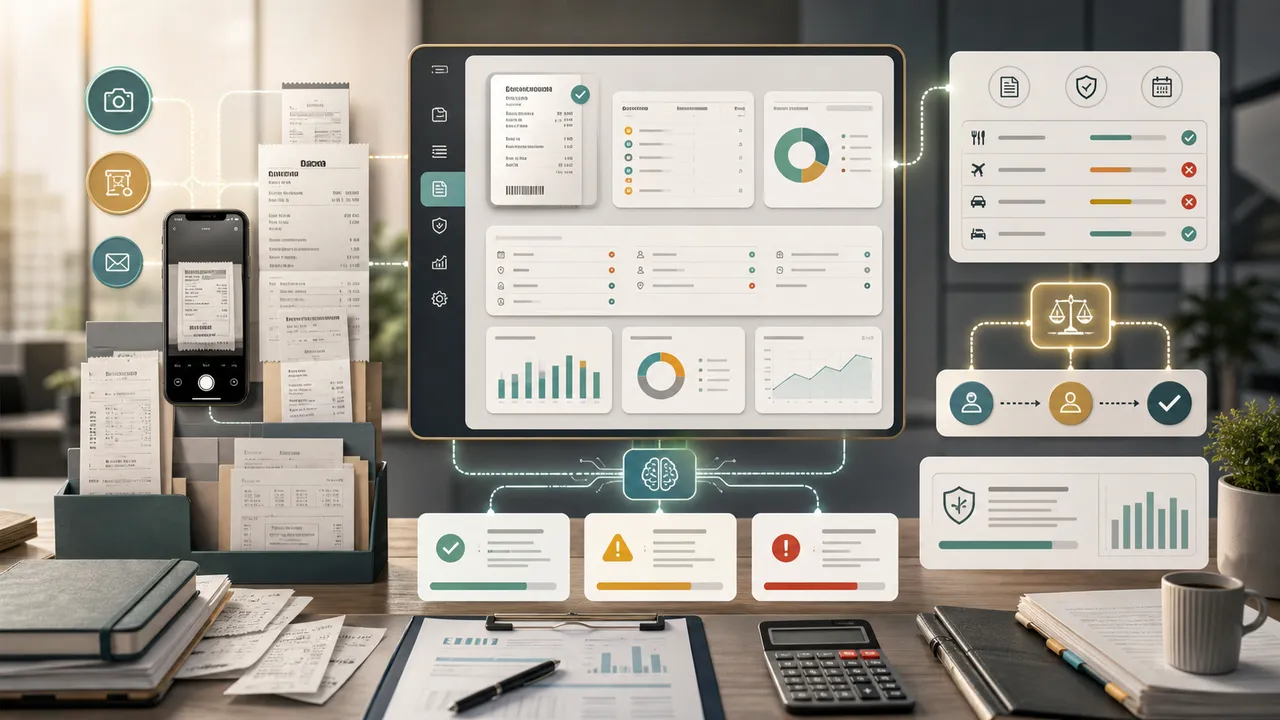
AI Expense Audit: Build a Finance App That Understands Policy, Not Just OCR
AI expense review is not only invoice recognition. It should model policies, budgets, projects, approvals, anomaly patterns, and audit records so finance can explain every recommendation.
App Development Business Leaders Financial Services -
 Published
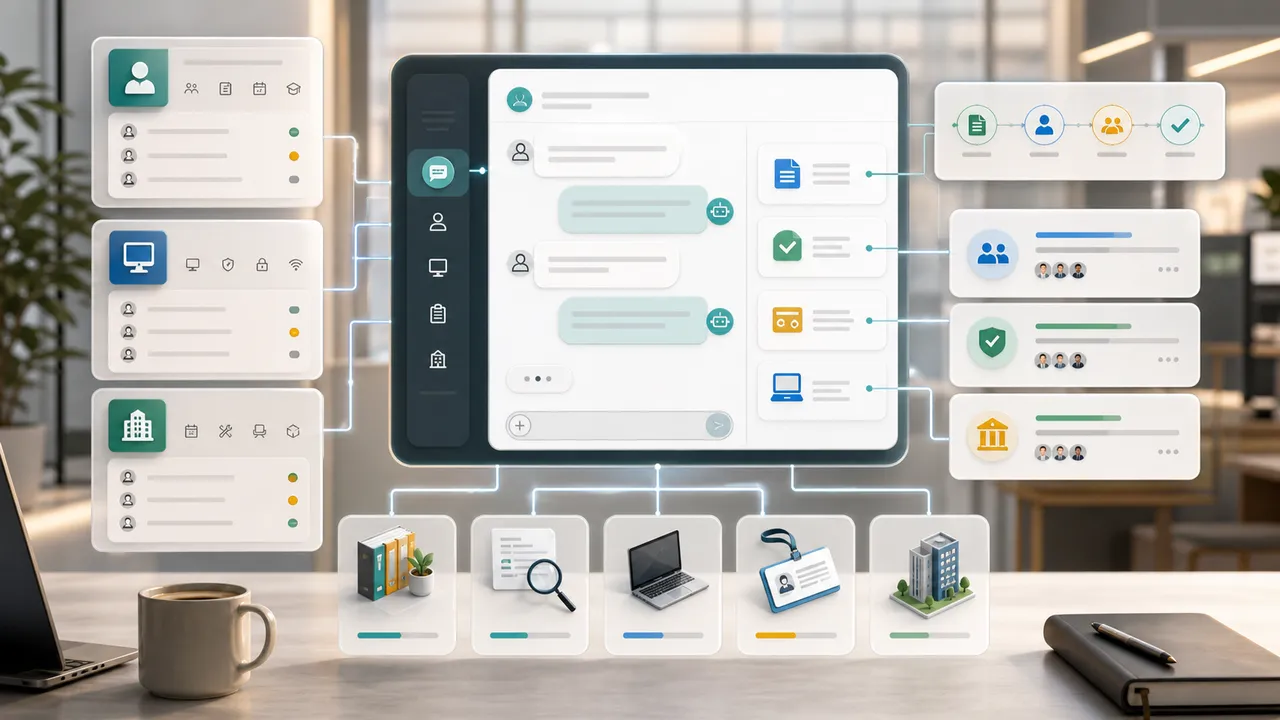
AI Employee Service Center: How to Move Beyond HR, IT, and Admin Tickets
An AI employee service center is not a chat wrapper over HR, IT, and admin tickets. It models service catalogs, knowledge, requests, approvals, and governed agent actions.
App Development Business Leaders HR & Internal AppsCase Management -
 Published
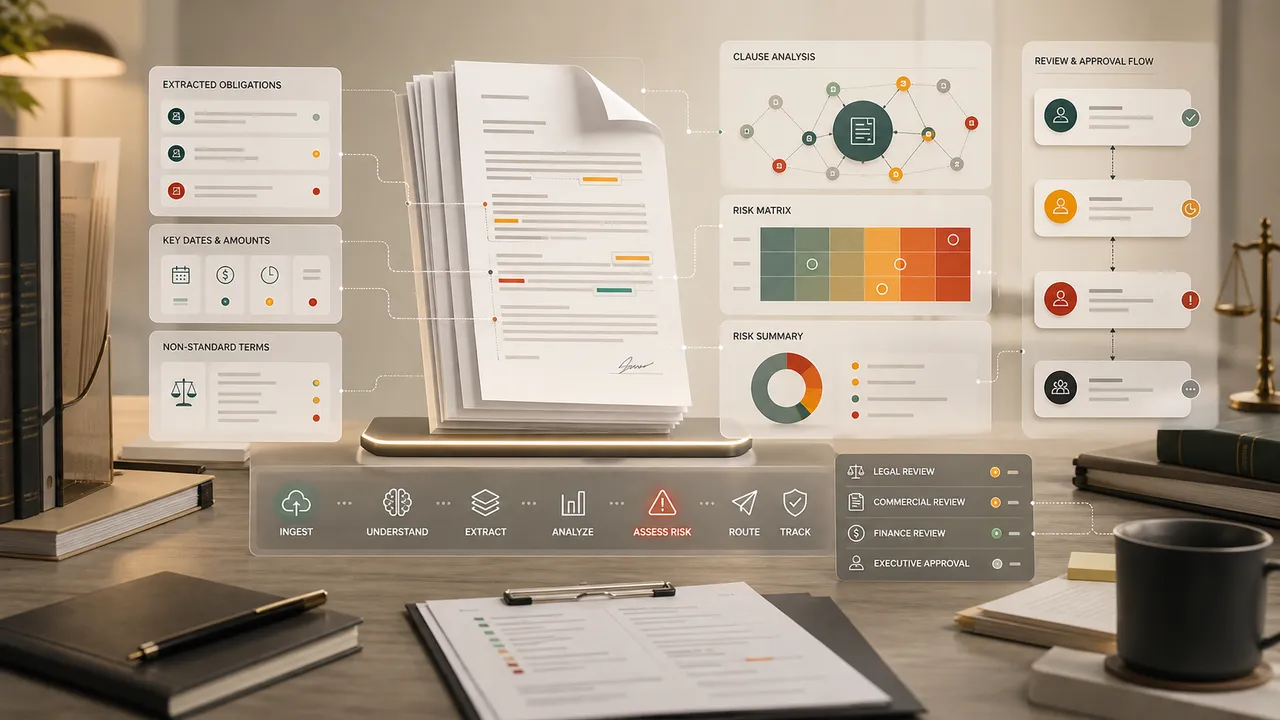
AI Contract Review: Build an App That Flags Clause and Obligation Risk First
The value of an AI contract app is not summarization. It is turning contract types, clauses, obligations, risk rules, approvals, and audit into metadata that legal and business teams can use together.
App Development Business Leaders Financial Services -
 Published
AI Content Workbench: From Ideas to Publishing and Retrospectives
Content teams need more than a writing box. Natural language can build topics, sources, briefs, drafts, reviews, publishing, and metrics so AI participates in the full content workflow.
App Development Business Leaders Telecom & Media -
 Published
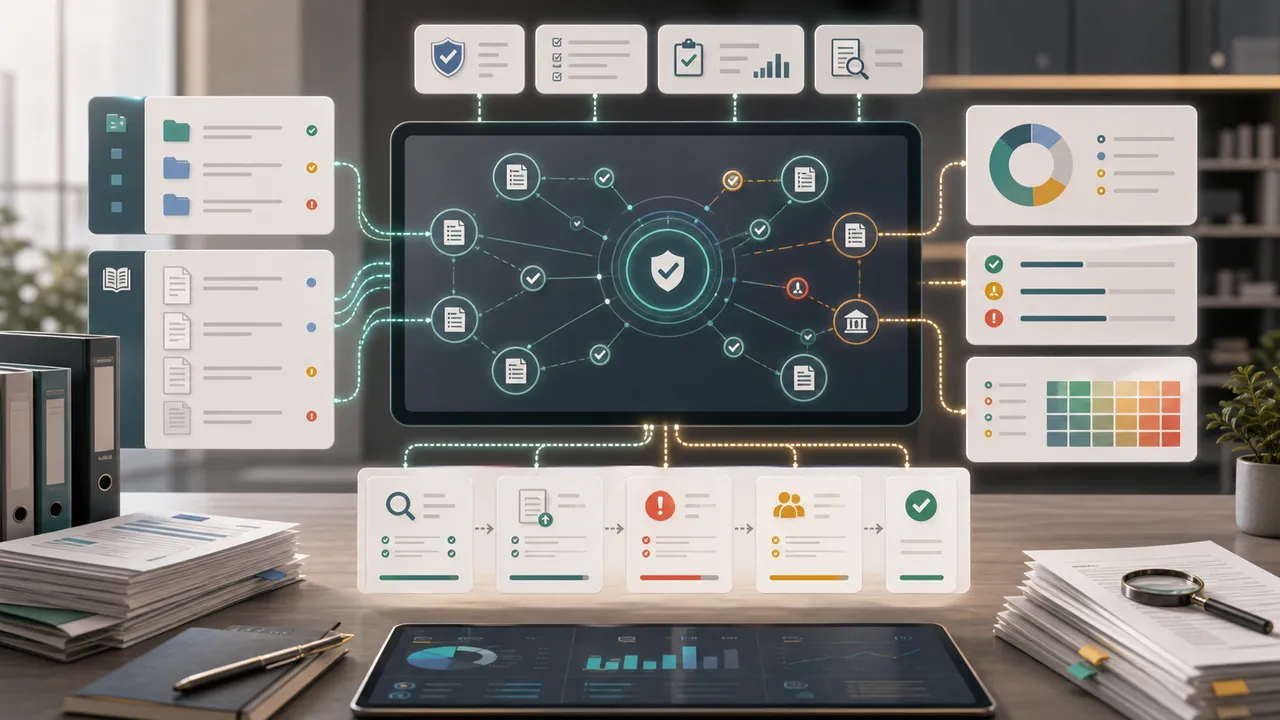
AI Compliance and Internal Controls: Stop Checking Policies by Hand
An AI internal control app is not only policy Q&A. It turns policy clauses, controls, evidence, gaps, remediation, and audit records into a closed-loop compliance workflow.
App Development IT Leaders Financial Services -
 Published
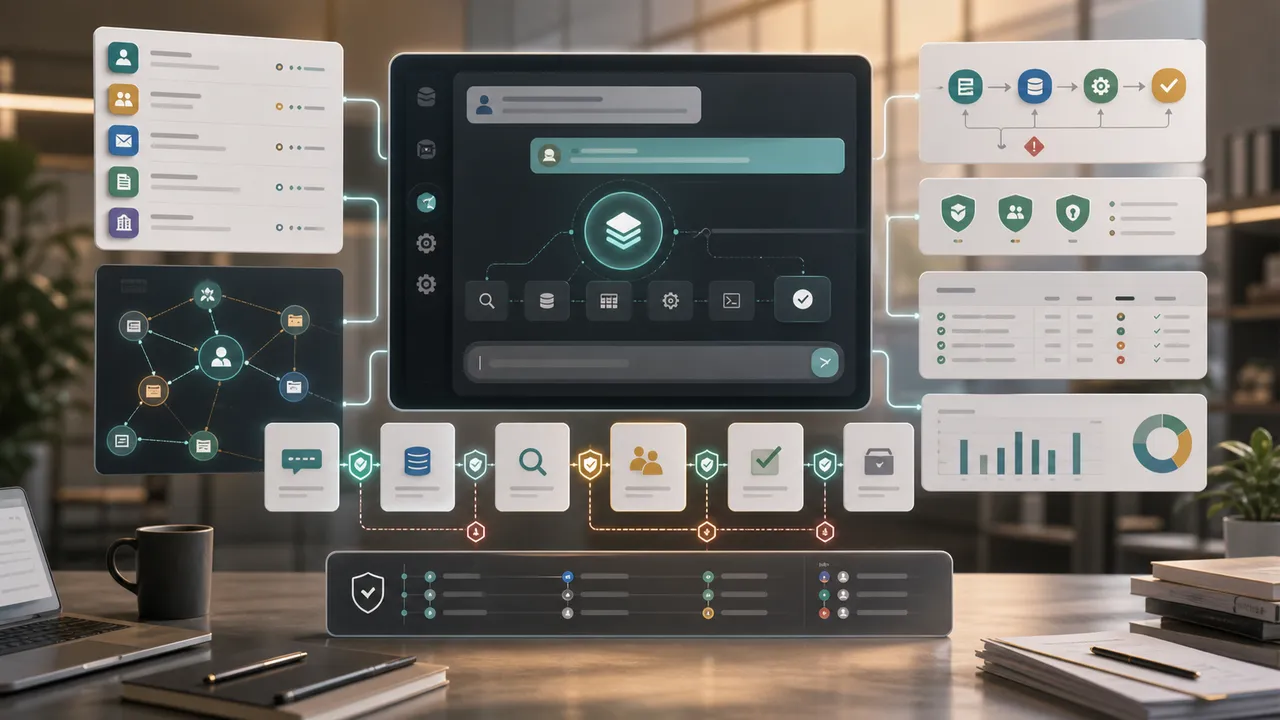
AI Agent Workbench: How Agents Execute Tasks Inside Business Systems
Enterprise agents must do more than chat. They need business objects, tools, permissions, approvals, and audit boundaries so natural-language intent can become controlled execution.
App Development IT Leaders Governed toolsAI agentsAgent permissions -
 Published
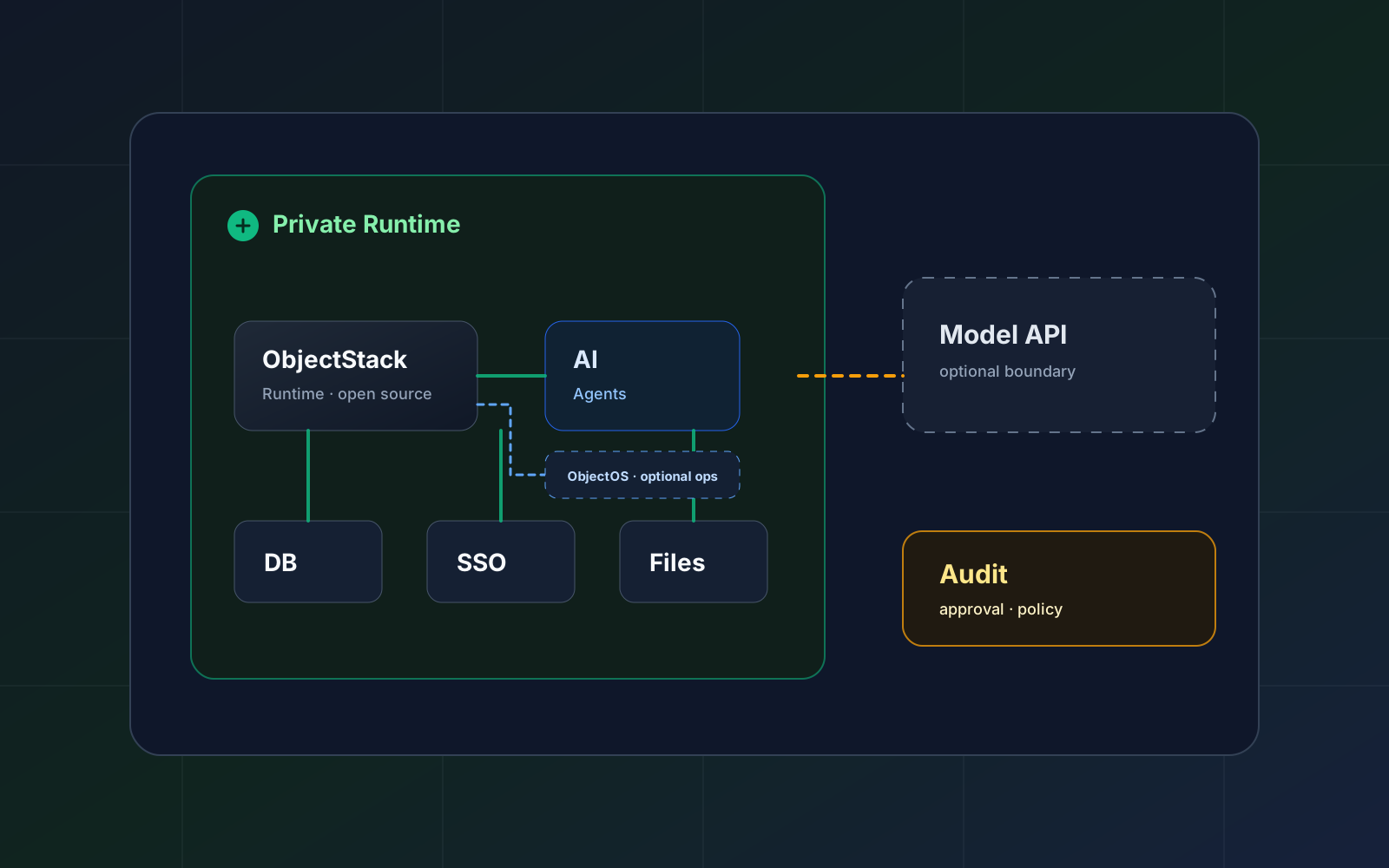
Self-Hosted AI Application Platforms: Why the Runtime Belongs to You
Once AI reads business data, triggers workflows, generates applications, and calls tools, enterprises need control over the runtime that governs objects, permissions, tools, approvals, and audit evidence.
Security & Governance IT Leaders -
 Published
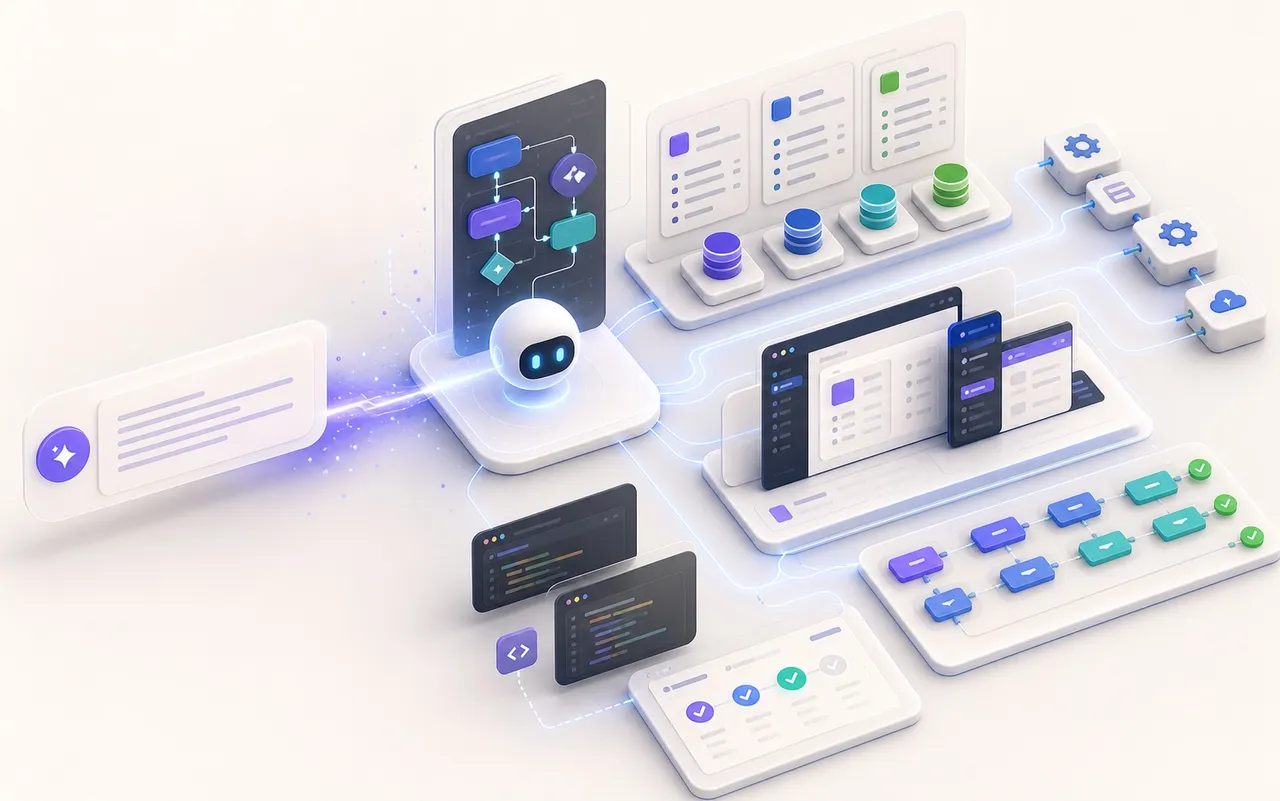
From Requirement to Running App: How AI Generates Reviewable Metadata
A concrete equipment repair scenario shows how AI Builder turns one request into objects, fields, relationships, views, permissions, actions, workflows, APIs, and agent tools.
App Development Developers -
 Published
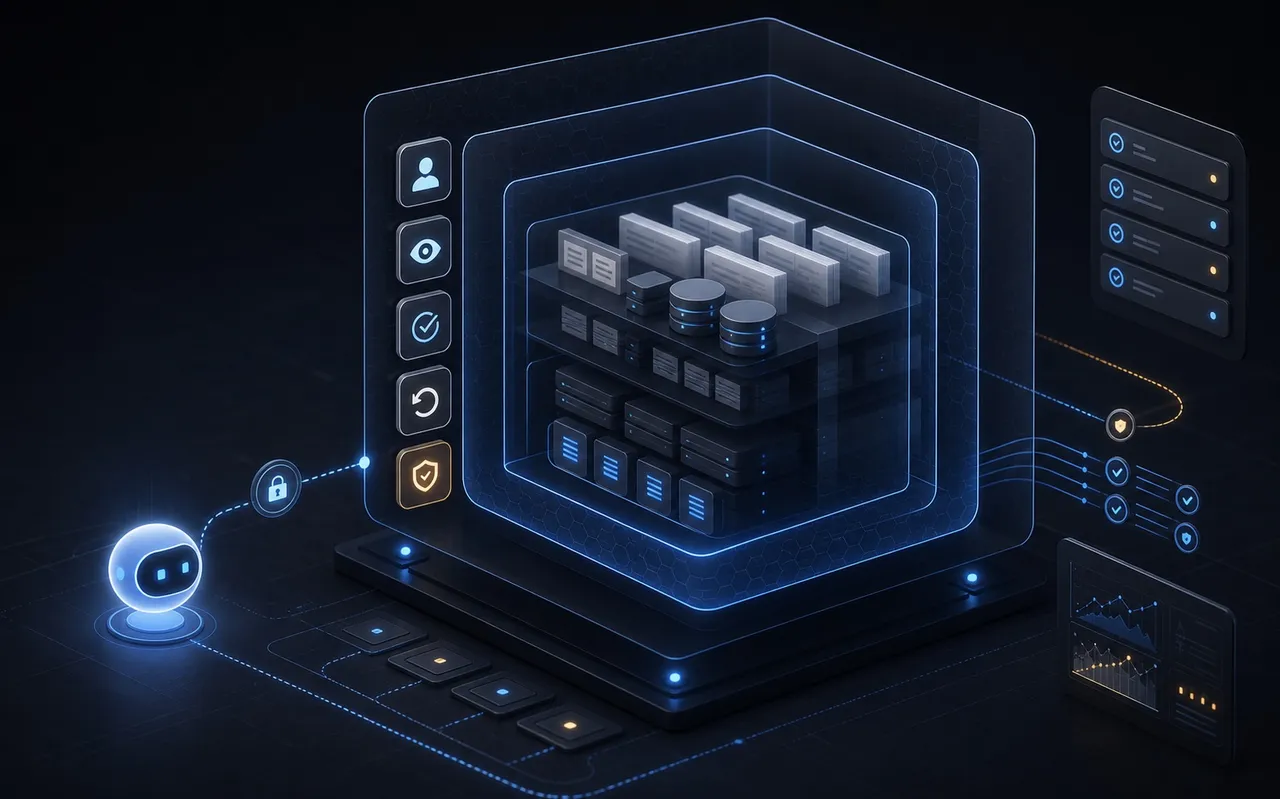
How AI Agents Stay Inside Enterprise Permission Boundaries
Enterprise teams do not need AI agents to become unrestricted administrators. They need agents that act as controlled users, inherit permissions, route risky actions for approval, and leave an audit trail.
Security & Governance IT Leaders AI agentsAgent permissions -
 Published
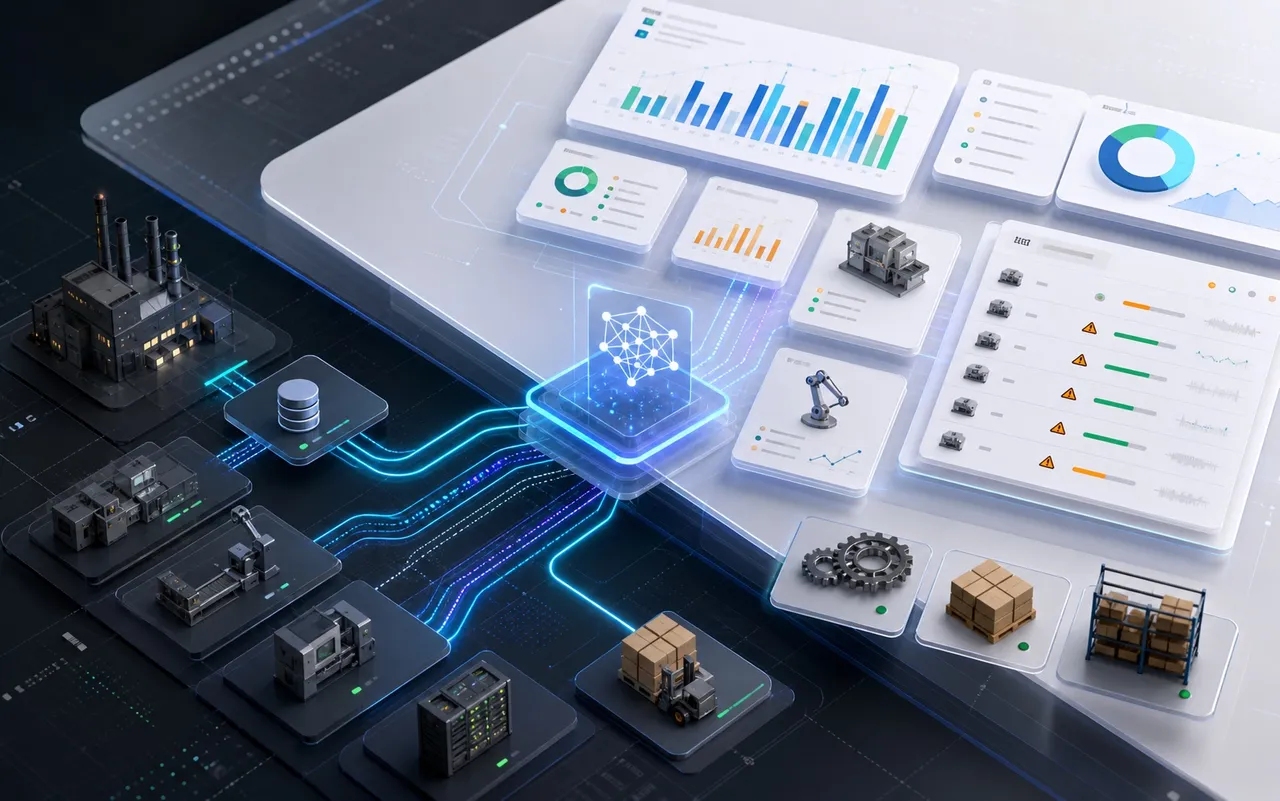
AI for Legacy Manufacturing Systems: Start With Reports and Work Orders
Manufacturing systems are hard to replace. A practical AI path connects existing systems and starts with reports, work orders, and exception analysis.
Integration & Data IT Leaders Case ManagementSupply Chain & Procurement Manufacturing -
 Published
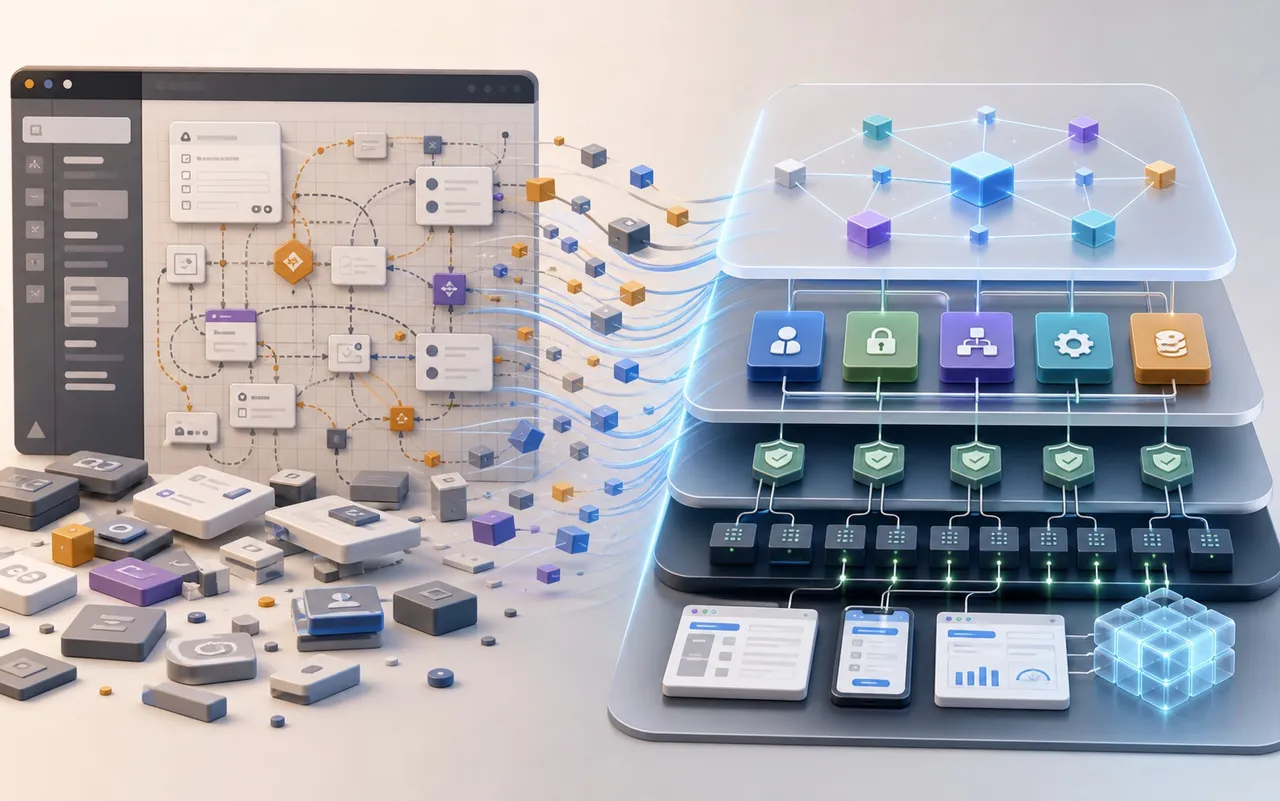
Low-Code vs. AI-Native App Platforms: Where Complex Business Breaks
Low-code helps teams build pages and workflows faster, but complex business systems depend on objects, permissions, integrations, change control, and maintainability.
App Development IT Leaders HR & Internal AppsCase Management -
 Published
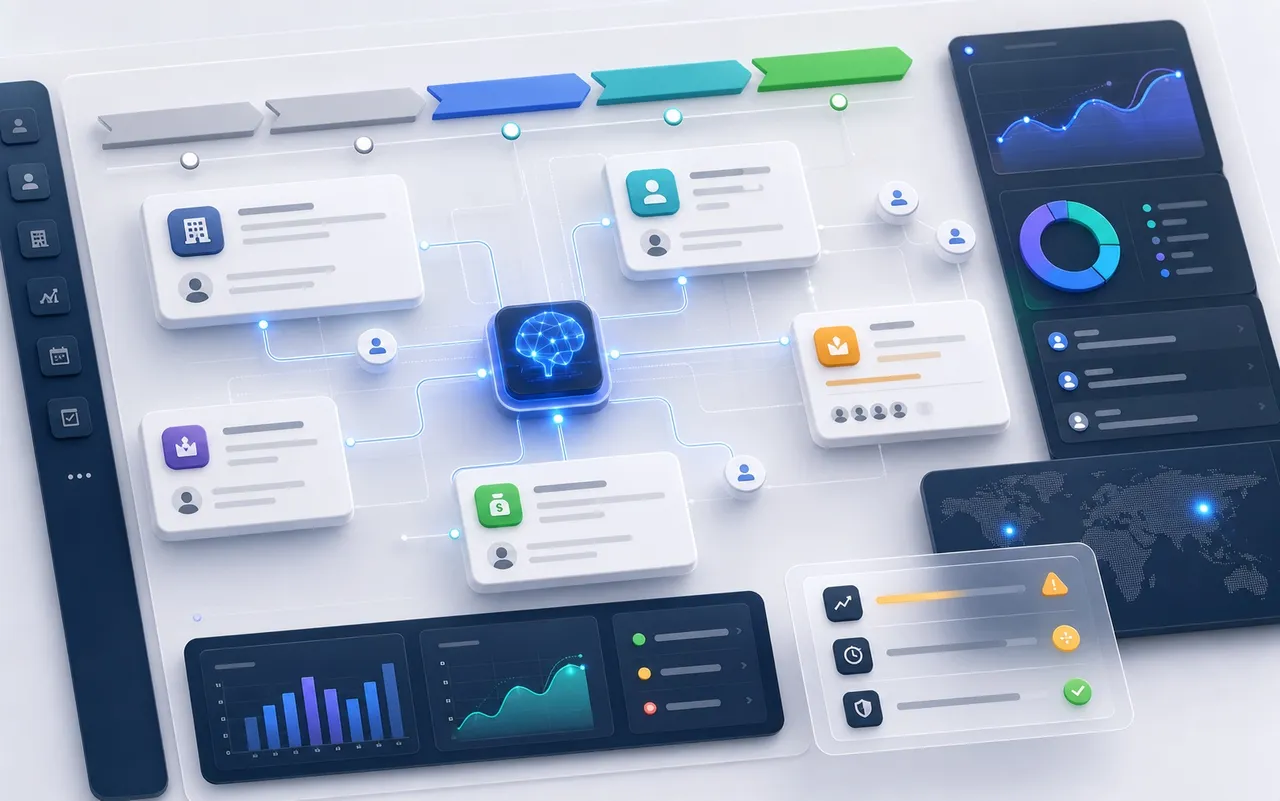
AI for CRM: How Agents Read Customer Data Without Bypassing Permissions
Most CRMs already hold customer, opportunity, contact, and activity history. The useful path is to let AI understand those business objects under existing permissions.
Integration & Data Business Leaders CRM AI agentsAgent permissions -
 Published
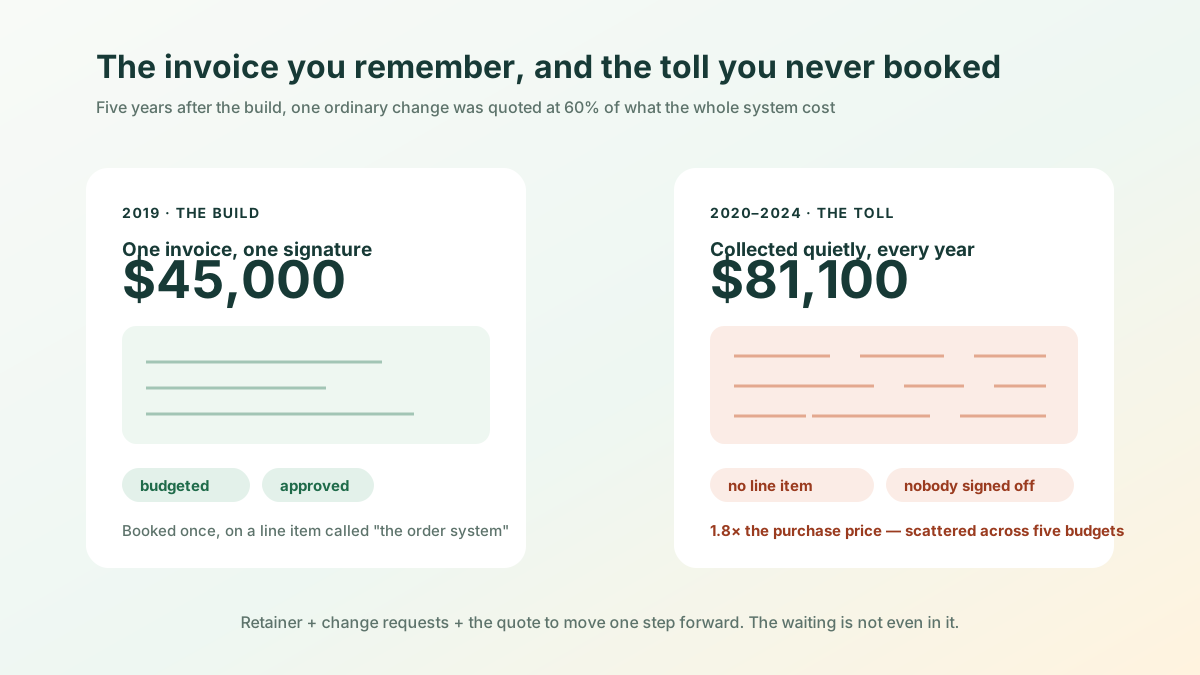
Custom Software Technical Debt: Why Internal Systems Become Unmaintainable
A five-year ledger for one $45,000 custom system: the toll after the build invoice reached $81,100, or 1.8x the purchase price. Plus a six-question health check for the internal system you cannot replace.
Modernization Business Leaders -
 Published
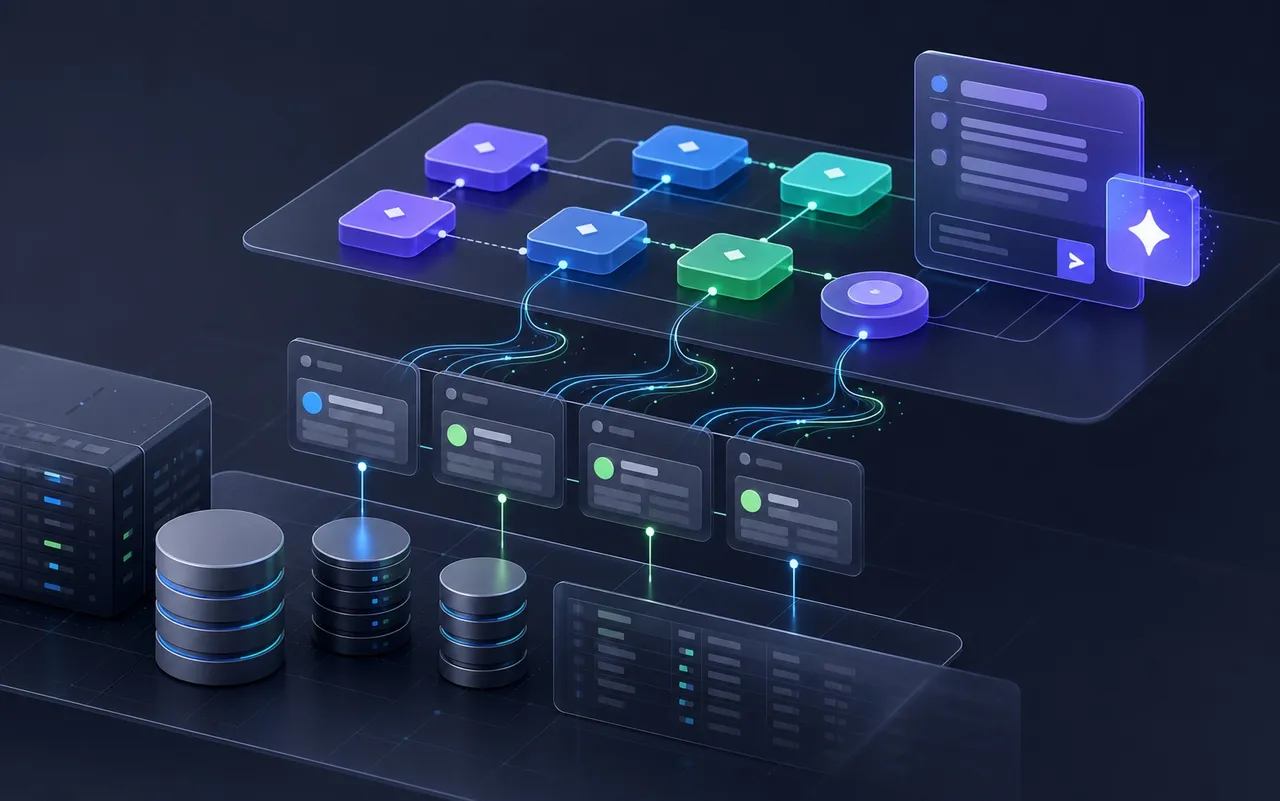
Add AI to Existing Systems Without Migration: Connect Your Database
On self-managed ObjectOS (Enterprise), connect the database you already run — read-only by default — let a coding agent model its tables as objects, and put AI on real data under your permissions, system of record untouched.
Integration & Data General