Modernization cluster
Legacy System Modernization with AI
Legacy modernization does not always start with a rebuild. For many teams, the lower-risk path is to connect existing systems read-only first, model the records that matter, and add AI-native workflows on top.
AI-assisted modernization keeps the system of record in place while creating a governed object layer for AI, APIs, workflows, dashboards, and new applications. The old system remains operational and keeps writing its rows; the new layer federates them — read-only by default, and early — and makes its data and processes understandable.
Why it matters now
- Many core systems still run the business but are too brittle for frequent change.
- AI creates pressure to expose old data safely without opening direct database access.
- Modernization budgets work better when teams can prove value before migration decisions.
What the platform needs
- Connect an existing database as a read-only datasource first — federation is read-only by default, and early — and model the tables that matter as objects without moving a record.
- Describe legacy tables as business objects that agents, workflows, and users can understand.
- Add new screens, reports, and automations around the old system while preserving the source of truth.
- Route AI actions through permissions, approvals, and audit logs rather than ad hoc scripts.
Use cases
Add AI search and analysis over CRM, ERP, ticket, or order data.
Build a modern workflow around a legacy system without rewriting the entire application.
Create a gradual replacement path by modeling one domain at a time.
Reading path
Related articles
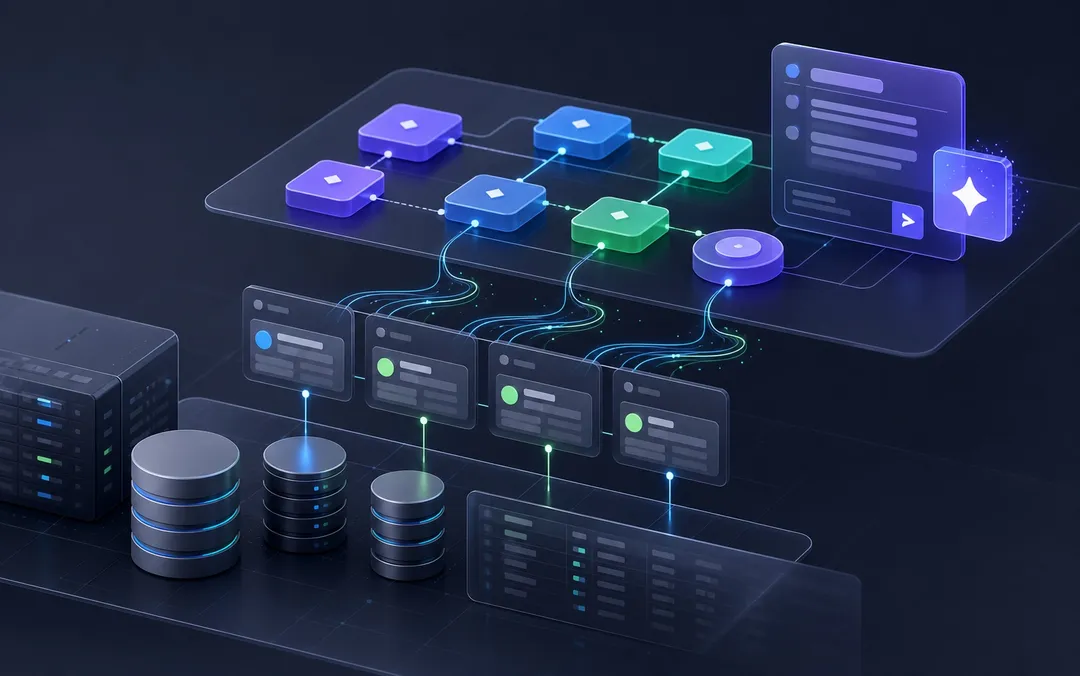
Add AI to Existing Systems Without Migration: Connect Your Database
On self-managed ObjectOS (Enterprise), connect the database you already run — read-only by default — let a coding agent model its tables as objects, and put AI on real data under your permissions, system of record untouched.
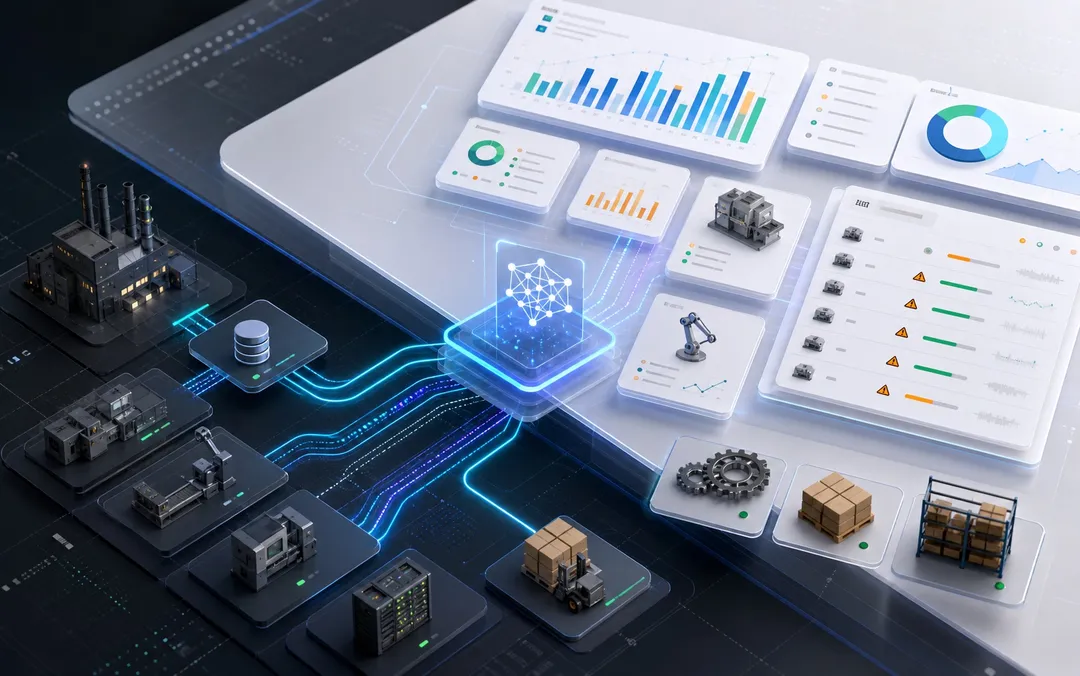
AI for Legacy Manufacturing Systems: Start With Reports and Work Orders
Manufacturing systems are hard to replace. A practical AI path connects existing systems and starts with reports, work orders, and exception analysis.
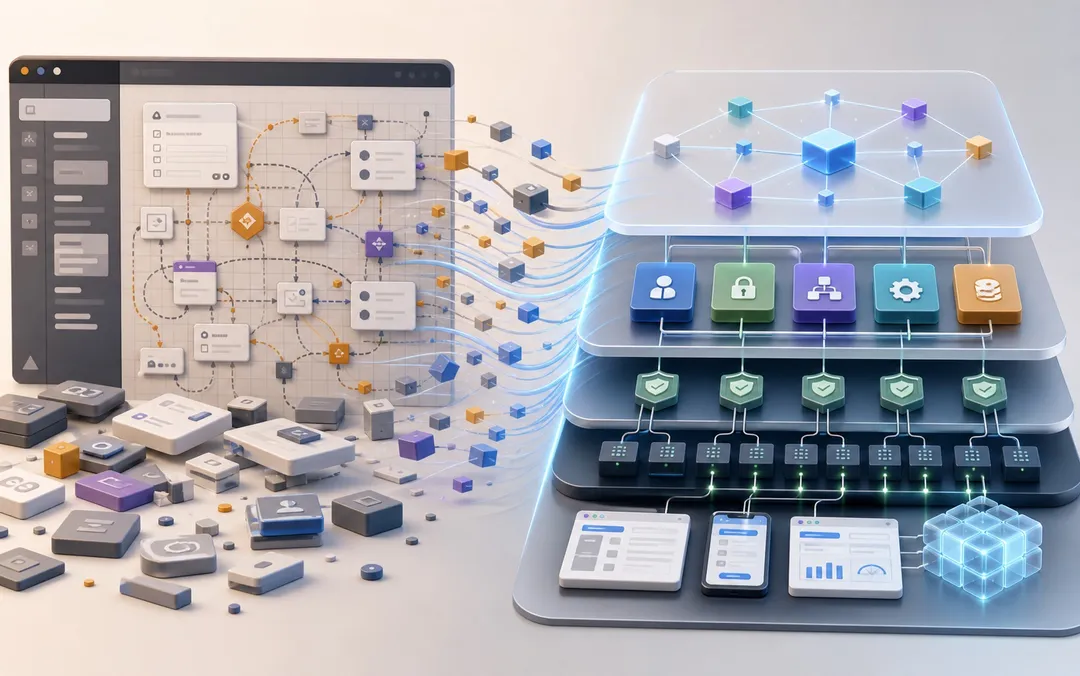
Low-Code vs. AI-Native App Platforms: Where Complex Business Breaks
Low-code helps teams build pages and workflows faster, but complex business systems depend on objects, permissions, integrations, change control, and maintainability.
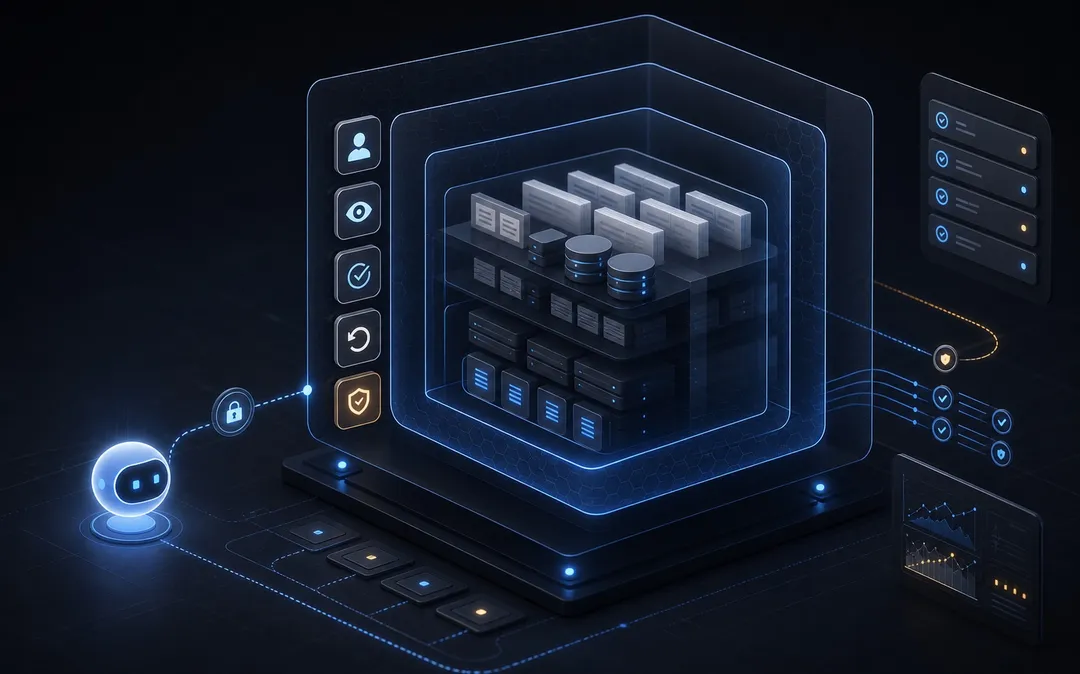
How AI Agents Stay Inside Enterprise Permission Boundaries
Enterprise teams do not need AI agents to become unrestricted administrators. They need agents that act as controlled users, inherit permissions, route risky actions for approval, and leave an audit trail.
Explore the cluster
FAQ
Can AI modernization avoid a full migration?
Often, yes. A governed object layer can connect to the existing system of record — read-only by default, with writes enabled deliberately per object — expose business concepts, and let teams add AI workflows without moving every process to a new platform immediately. Federation is early: expect the read path to be the mature one.
What should be modernized first?
Start with high-value, well-understood records such as customers, cases, work orders, orders, or reports. The best first step is usually a workflow where users already know the pain and the data already exists.
What is the risk of connecting AI to legacy systems?
The risk is letting AI bypass identity, permissions, and audit. The safer design is to make AI operate through a runtime that respects user scope, approvals, and system boundaries.