Governance cluster
Self-Hosted AI for Enterprise Applications
Self-hosted AI is not only about where the model runs. Once AI reads business data and calls tools, the application runtime that controls objects, permissions, approvals, and audit evidence becomes the critical control point.
A self-hosted AI application platform lets enterprises run the governed business runtime in their own infrastructure. The model can be local or external, but data access, tools, workflow execution, and audit policy stay under enterprise control. Two things answer to that description here: the free, Apache-2.0 ObjectStack framework, and licensed self-managed ObjectOS — ObjectOS Enterprise, from its single-node entry option Business Self-Managed up — which adds the in-product AI on top of it.
Why it matters now
- AI agents increasingly need access to sensitive customer, operational, and financial records.
- Regulated teams need evidence of who accessed what, which action ran, and which approval was required.
- Security teams need a clear place to enforce identity, network, key, and logging policies.
What the platform needs
- Run the business object layer, tool registry, approvals, and audit logs in controlled infrastructure — free on the open-source ObjectStack framework, or licensed as self-managed ObjectOS when you want the in-product AI Builder and Ask on your own infrastructure.
- Connect external or local models through explicit policy rather than hardwired assumptions.
- Keep files, records, logs, and credentials aligned with existing enterprise controls.
- Give agents scoped tools instead of unrestricted administrator credentials.
Use cases
Deploy AI workflows around sensitive CRM, contract, HR, or operational data.
Let AI agents assist users without bypassing role-based access control.
Support regulated environments that need audit evidence and infrastructure control.
Reading path
Related articles
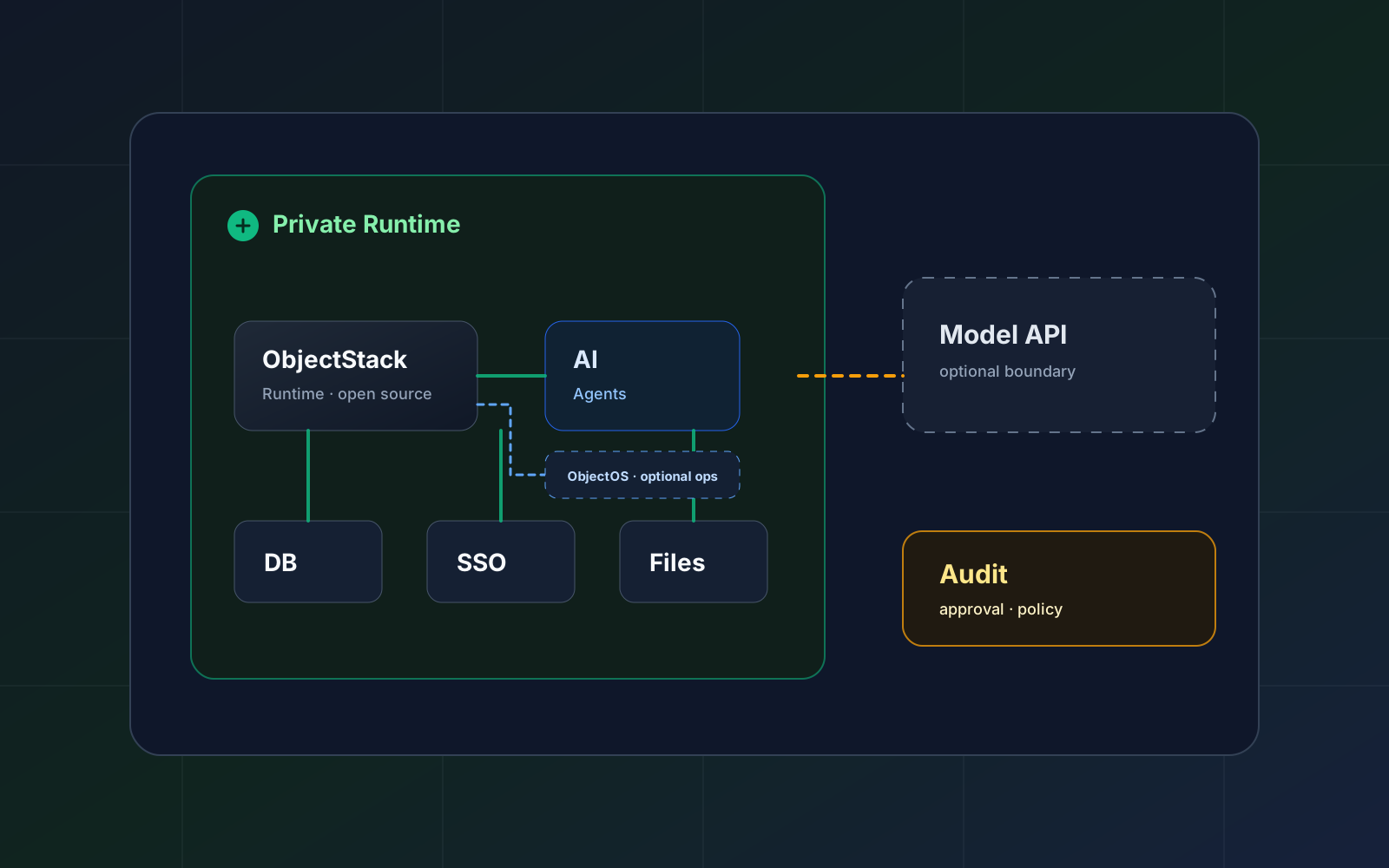
Self-Hosted AI Application Platforms: Why the Runtime Belongs to You
Once AI reads business data, triggers workflows, generates applications, and calls tools, enterprises need control over the runtime that governs objects, permissions, tools, approvals, and audit evidence.
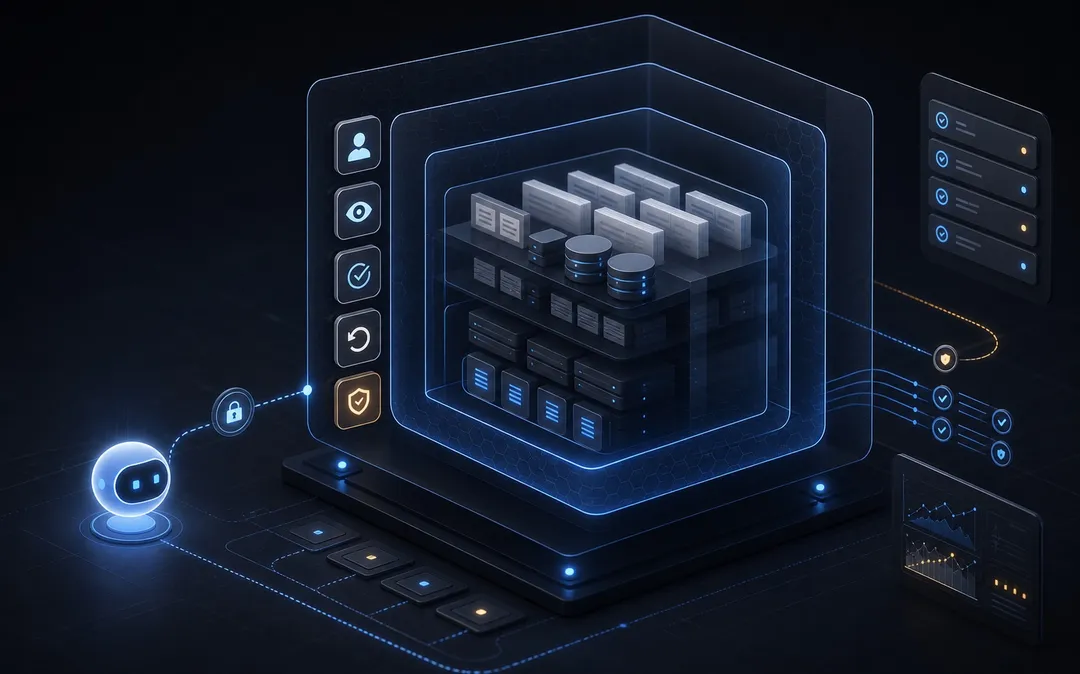
How AI Agents Stay Inside Enterprise Permission Boundaries
Enterprise teams do not need AI agents to become unrestricted administrators. They need agents that act as controlled users, inherit permissions, route risky actions for approval, and leave an audit trail.
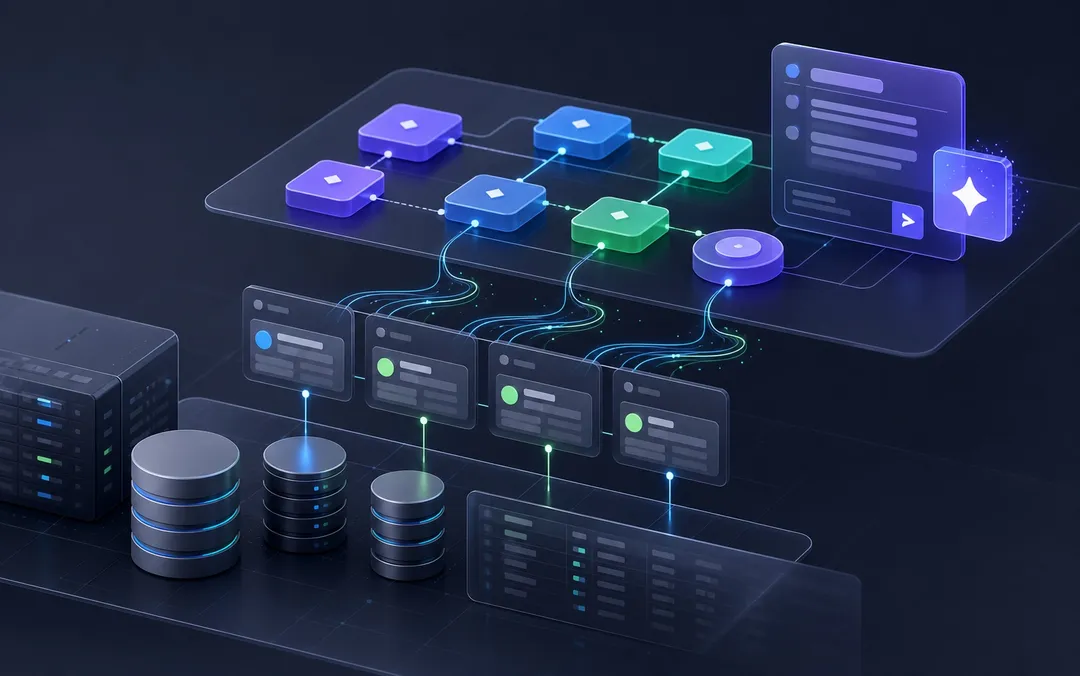
Add AI to Existing Systems Without Migration: Connect Your Database
On self-managed ObjectOS (Enterprise), connect the database you already run — read-only by default — let a coding agent model its tables as objects, and put AI on real data under your permissions, system of record untouched.
Explore the cluster
FAQ
Does self-hosted AI require a local model?
Not always. The first thing to control is often the application runtime: business objects, tools, approvals, permissions, and audit logs. Models may be local or external depending on policy.
Why does the runtime matter more than the chat interface?
The runtime decides which records can be read, which tools can run, which actions need approval, and what evidence is retained. A chat interface alone cannot enforce those rules reliably.
How should agents access business data in a self-hosted setup?
Agents should act on behalf of a user or governed service identity, inherit permission scope, call explicit tools, and write audit logs for every material action.
Is self-hosting free, and what does ObjectOS add?
Free self-hosting is the open-source ObjectStack framework (Apache-2.0): the protocol, kernel, CLI, production runtime, Console UI, and MCP server, with no feature gate between development and production — bring your own AI over MCP. Self-managed ObjectOS is ObjectOS Enterprise, licensed: its single-node entry option, Business Self-Managed, brings the in-product AI Builder and Ask, AI governance, and bring-your-own-model to one node; beyond that, Enterprise adds clustering, air-gapped operation, SCIM, compliance attestations, and SLA support. On either edition you can export your ontology and run it on the open-source runtime. To start: npm create objectstack@latest, point your coding agent at the generated project and its AGENTS.md, then npx os dev --ui.