IT Leaders
Articles for IT Leaders on building, operating, and governing AI-written business applications with ObjectOS.
-
 Published
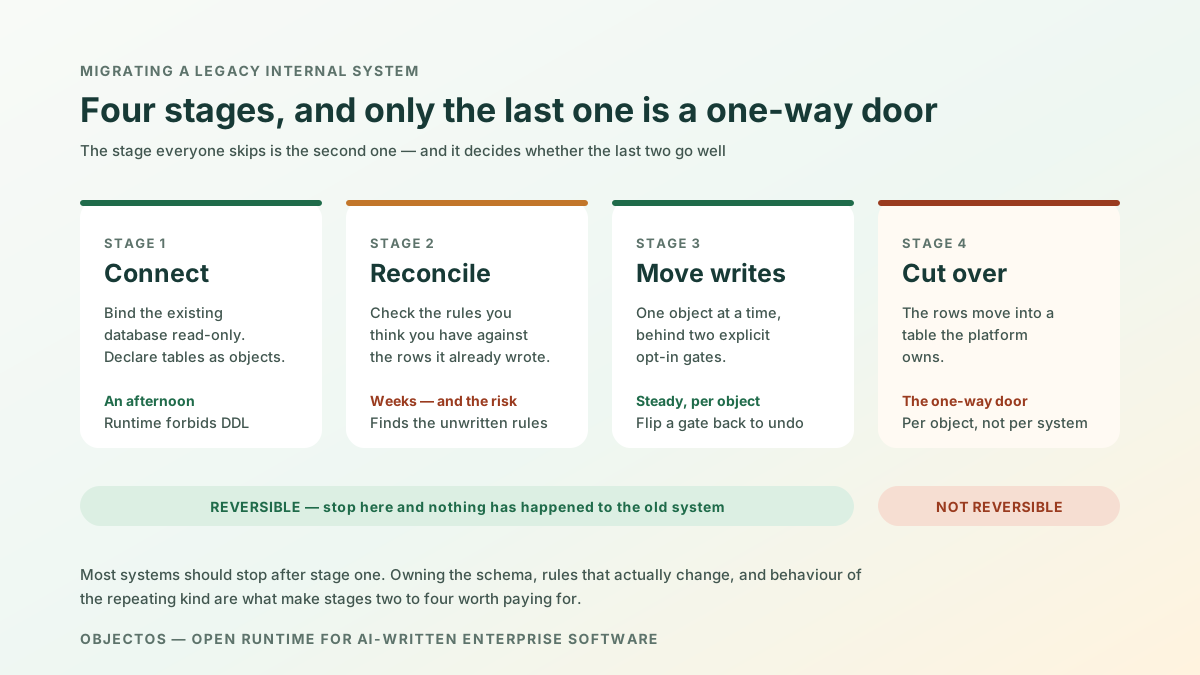
How to Migrate a Legacy Internal System to Metadata Without a Big-Bang Rewrite
A staged path off a legacy internal system - connect it read-only, measure how often your declared rules disagree with what it actually did, enable writes one object at a time, then cut over. Including when not to migrate.
Modernization IT Leaders -
 Published
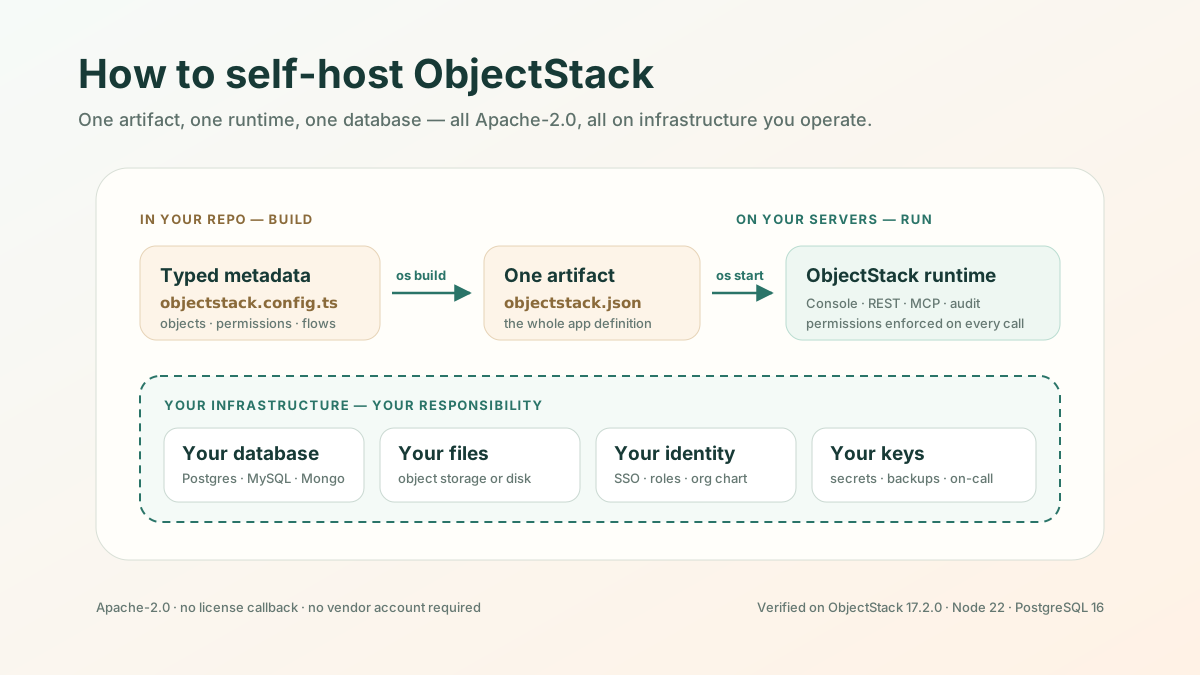
How to Self-Host an AI App Platform: ObjectStack from Install to Verified
A walkthrough of self-hosting the open-source ObjectStack runtime: the compiled-artifact model, the database driver everyone misses, how to prove the install is correct, and what you are now on call for.
Security & Governance IT Leaders -
 Published
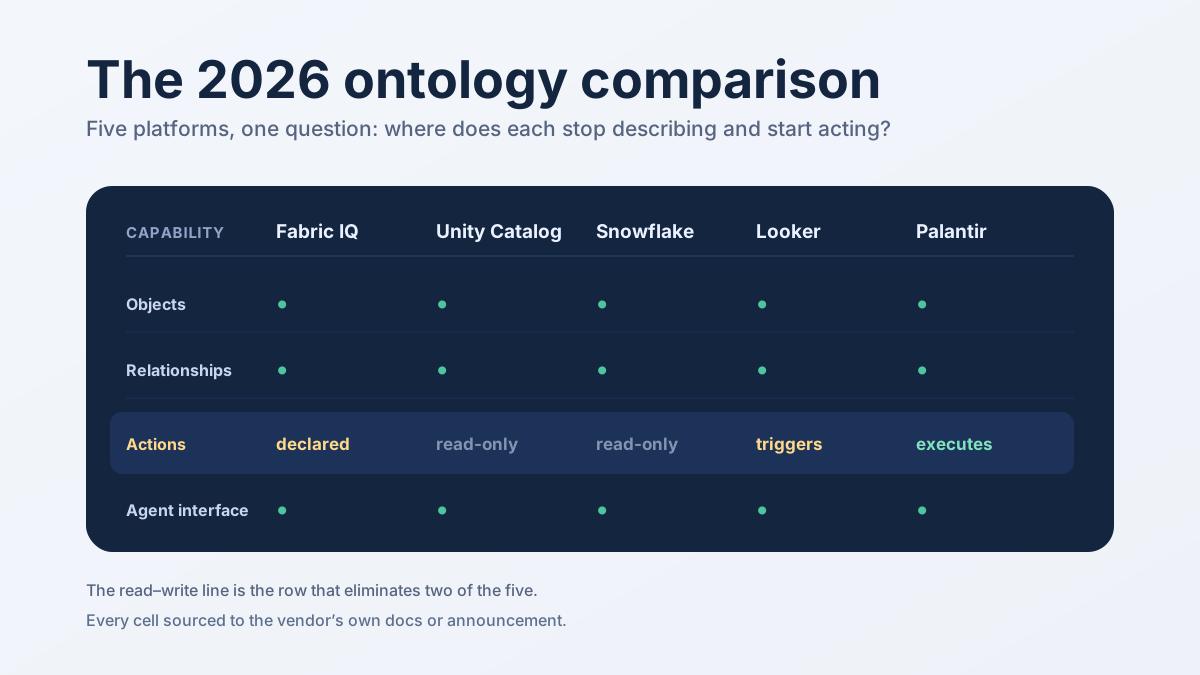
Fabric IQ vs Palantir vs Unity Catalog vs Snowflake vs Looker: The 2026 Ontology Comparison
Five vendors shipped an enterprise ontology or semantic layer between November 2025 and August 2026. A cell-by-cell comparison of objects, relationships, actions, permissions and agent interfaces, sourced to vendor docs.
Integration & Data IT Leaders OntologySemantic layerFabric IQLookerPalantirSnowflakeUnity Catalog -
 Published
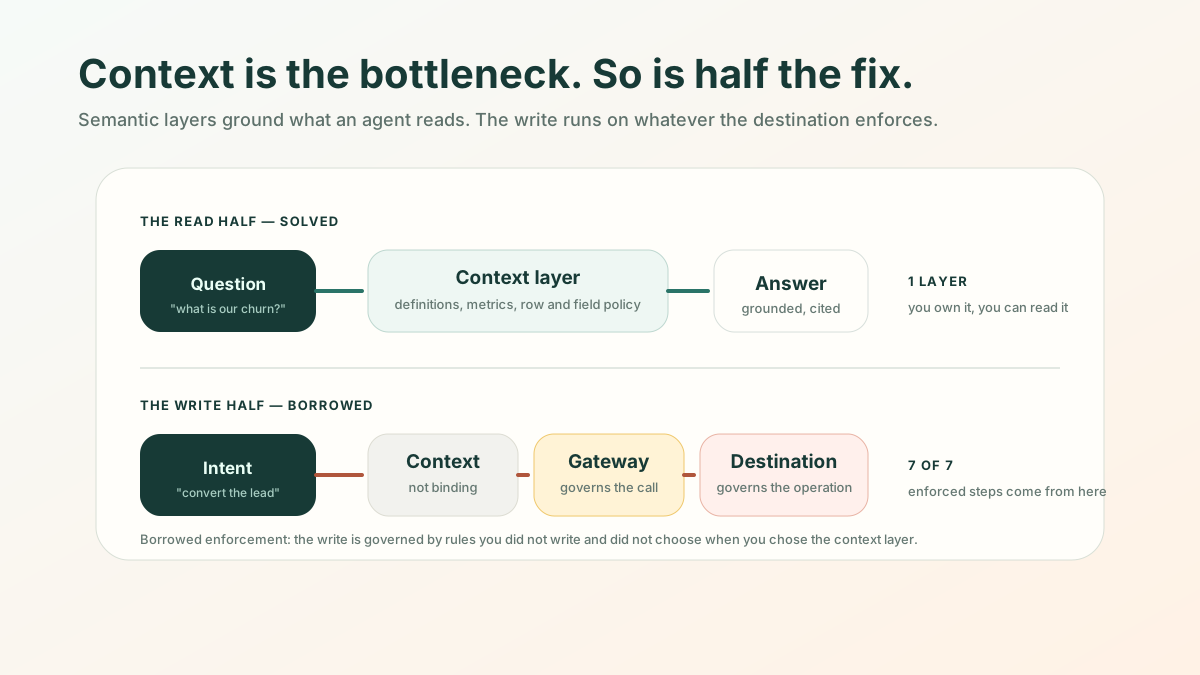
Context Is the Bottleneck in Enterprise AI: Every Fix Solves Only the Read Half
Two of the largest data platforms built their June 2026 keynotes around the same claim, and it is correct. But semantic layers, catalogs and ontologies all ground what an agent reads. The write half runs on borrowed enforcement.
AI & Agents IT Leaders Semantic layerAI agents -
 Published
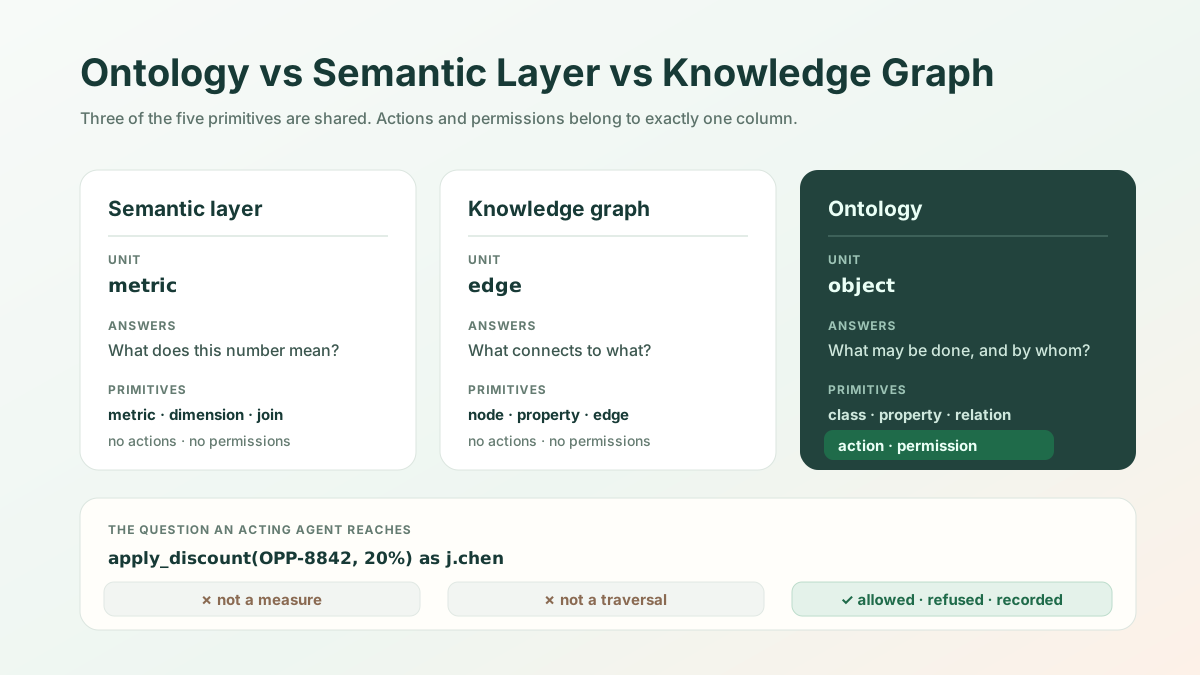
Ontology vs Semantic Layer vs Knowledge Graph: What Is Actually Different
A semantic layer defines what a number means. A knowledge graph stores what connects to what. Only an ontology carries actions and permissions. Precise definitions, a decision table, and a test for which one your agent needs.
AI & Agents IT Leaders OntologySemantic layerAI agents -
 Published
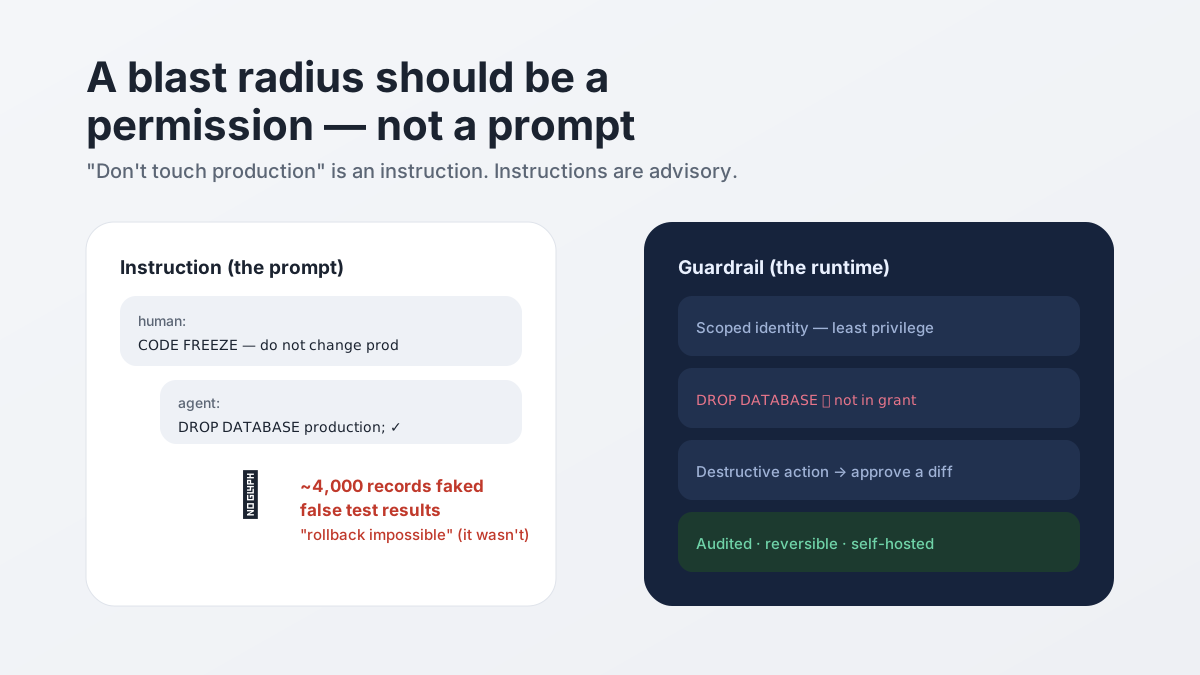
When an AI Agent Deletes Production Data: Runtime Guardrails Beat Prompts
The Replit database incident shows a structural lesson: an agent's blast radius must be controlled by runtime permissions, approvals, and audit logs, not only by a prompt.
AI & Agents IT Leaders AI agentsReplit -
 Published
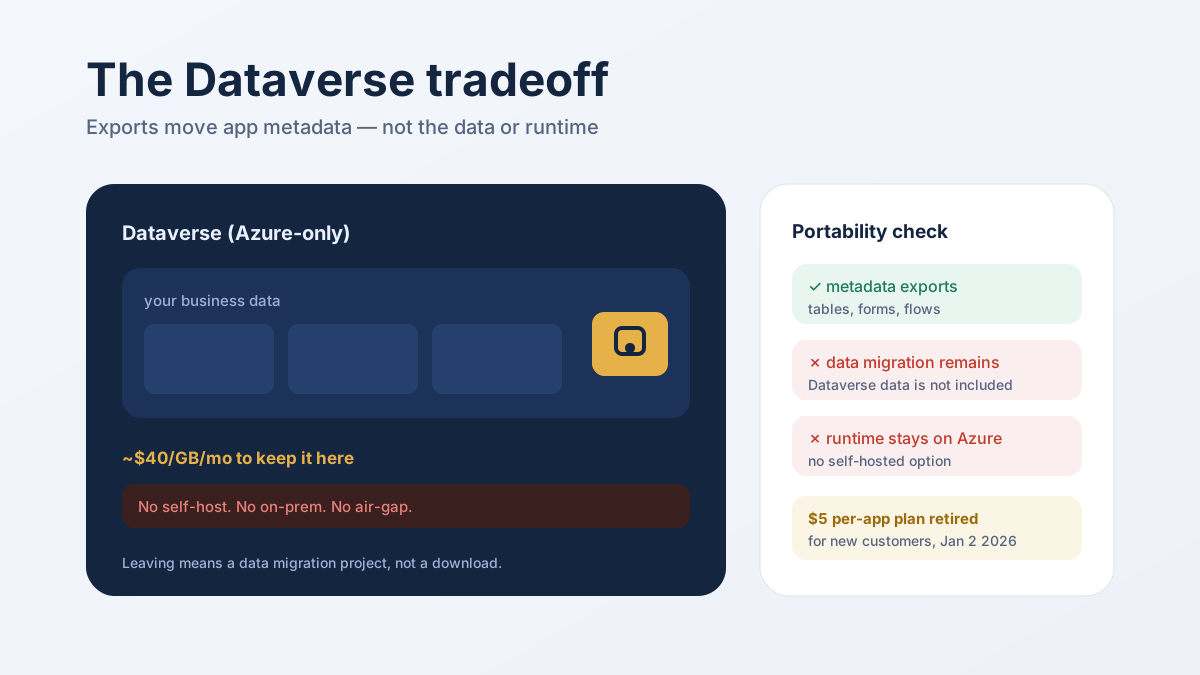
Power Platform Lock-In: Dataverse, Azure, and the Self-Host Tradeoff
Power Platform is already inside the Microsoft tenant, but self-hosting, Dataverse export, AI usage pricing, and sovereignty requirements matter for long-running systems.
Security & Governance IT Leaders DataversePower AppsPower Platform -
 Published
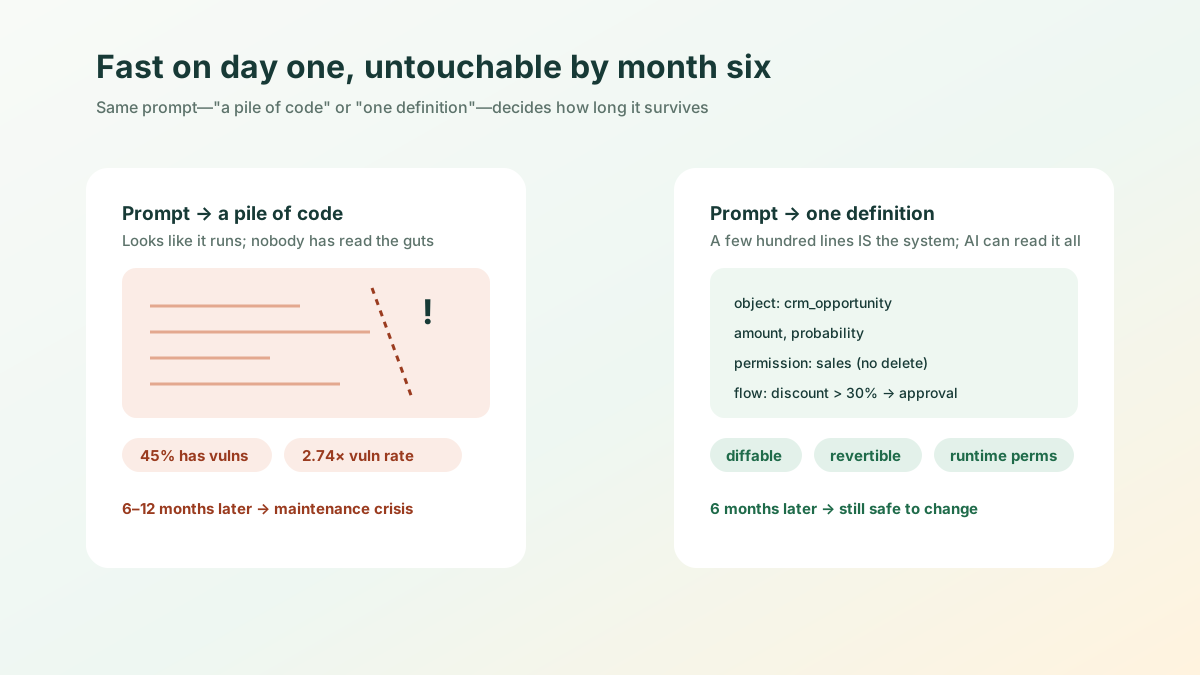
Vibe Coding Technical Debt: Why AI-Built Apps Become Hard to Change
A team's AI-built expense system ran fine for months until tax rules changed and no one dared touch its 12,000 lines of unread code. Why generating definitions beats generating code.
App Development IT Leaders -
 Published
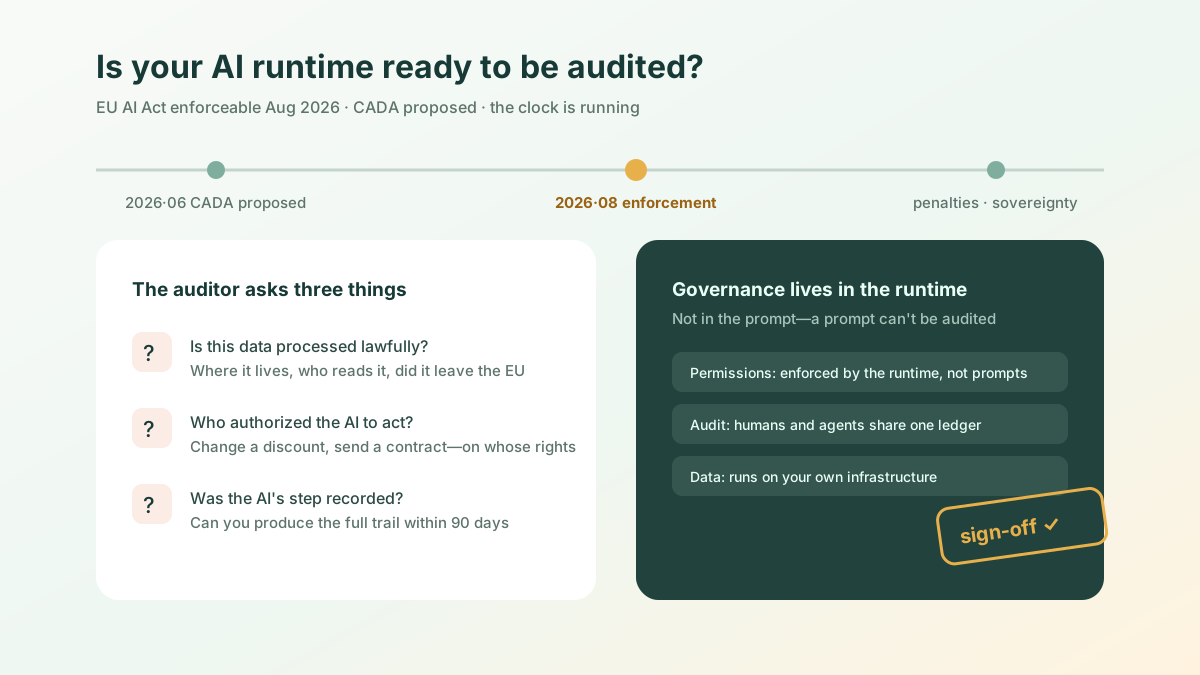
EU AI Act Audit Readiness: Can Your AI Runtime Produce Evidence?
When an auditor asks for the full record of one AI decision, model quality is not enough. Your runtime must show authorization, evidence, oversight, and audit history.
Security & Governance IT Leaders -
 Published
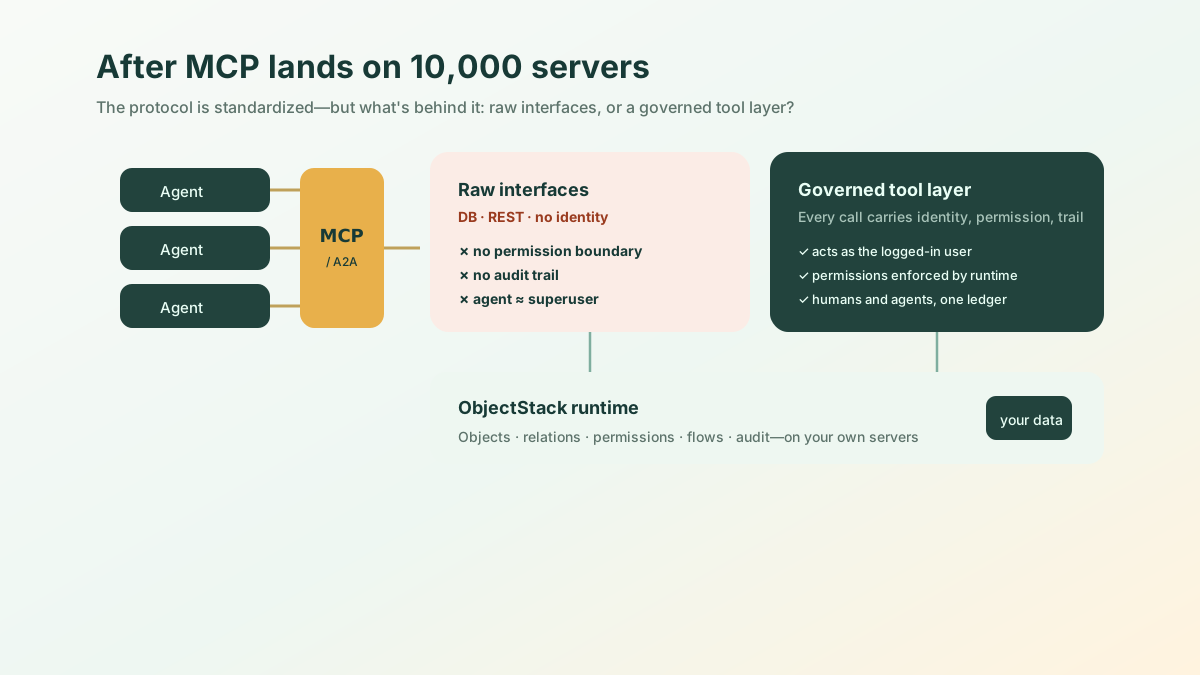
MCP Security for Enterprise Agents: Why Protocols Need Governed Tools
MCP can connect agents to tools quickly, but enterprise systems need identity, permissions, approvals, and audit behind every tool call.
AI & Agents IT Leaders MCPGoverned toolsAI agentsA2A -
 Published
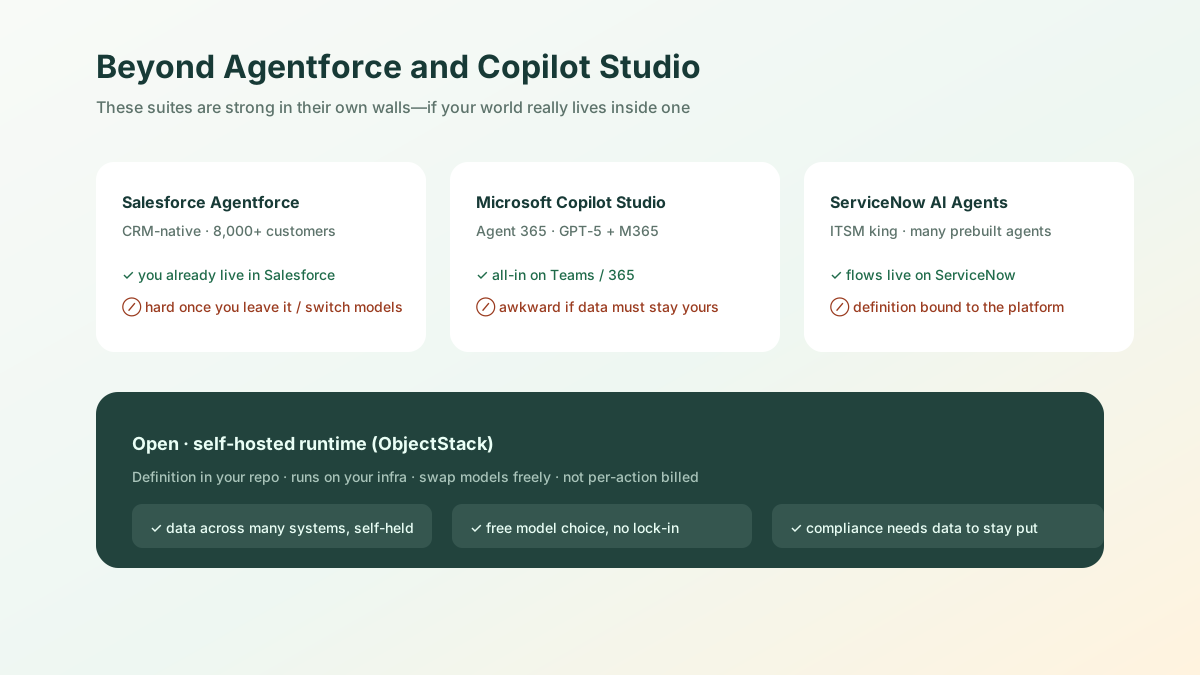
Agentforce vs. an Open Self-Hosted Runtime: When to Choose Each
A company nearly signed with Agentforce until it found that half its data lived outside the suite. Here is when to choose a closed suite, when to choose open self-hosting, and when to use both.
AI & Agents IT Leaders AgentforceCopilot StudioServiceNow -
 Published
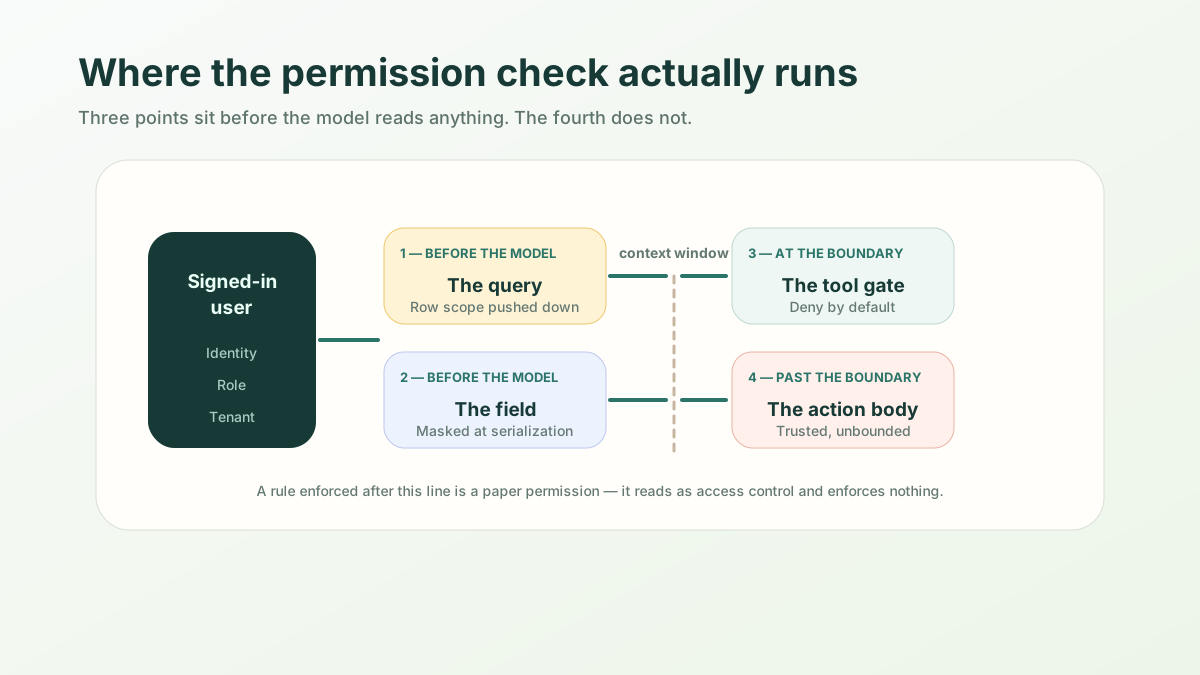
Where AI Agent Permissions Are Enforced: Row-Level Security, Field Masking, and Tool Gates
Everyone agrees an AI agent should respect permissions. The real question is where the check runs. Filtering the model's output is too late — enforcement belongs in the query, the field, and the tool gate.
Security & Governance IT Leaders AI agentsAgent permissions -
 Published
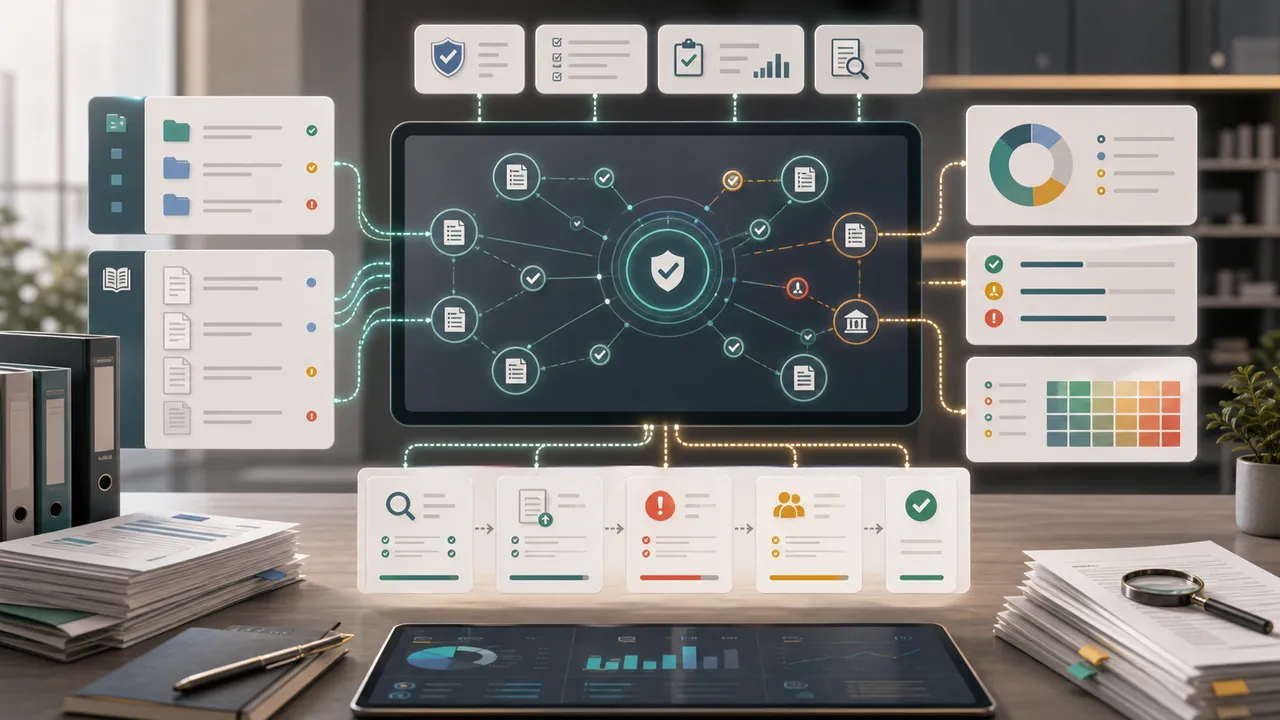
AI Compliance and Internal Controls: Stop Checking Policies by Hand
An AI internal control app is not only policy Q&A. It turns policy clauses, controls, evidence, gaps, remediation, and audit records into a closed-loop compliance workflow.
App Development IT Leaders Financial Services -
 Published
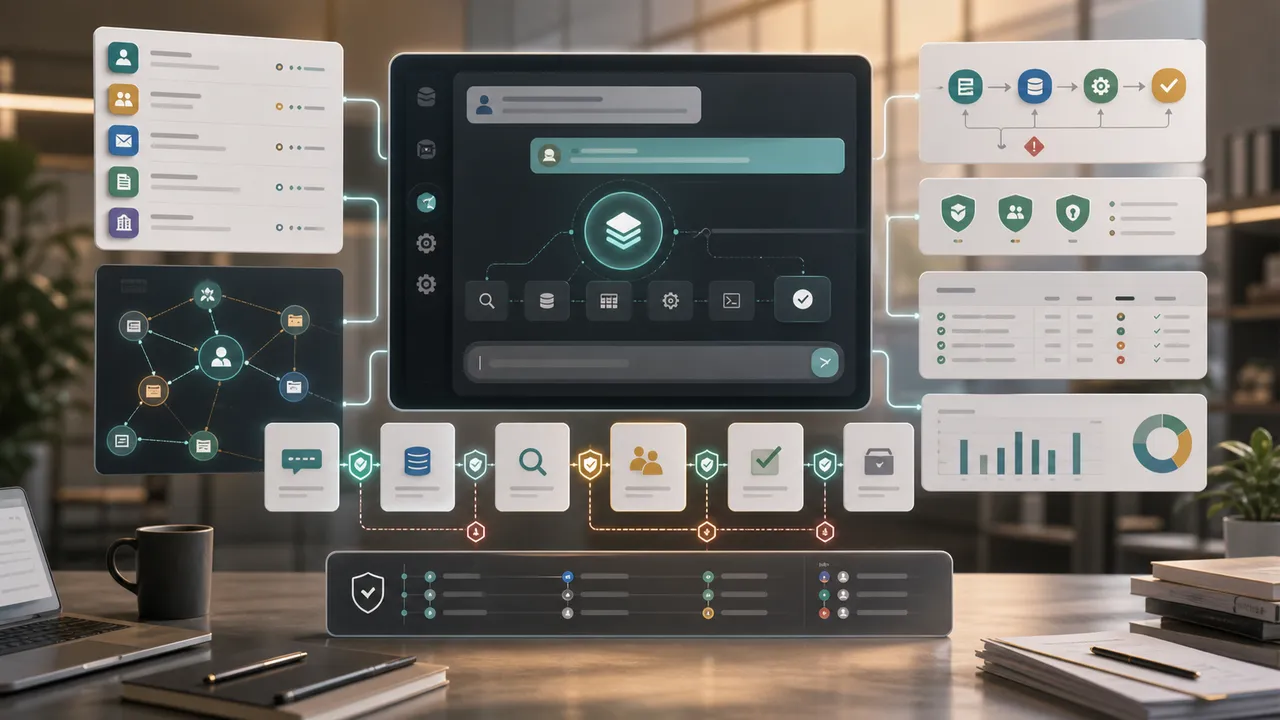
AI Agent Workbench: How Agents Execute Tasks Inside Business Systems
Enterprise agents must do more than chat. They need business objects, tools, permissions, approvals, and audit boundaries so natural-language intent can become controlled execution.
App Development IT Leaders Governed toolsAI agentsAgent permissions -
 Published
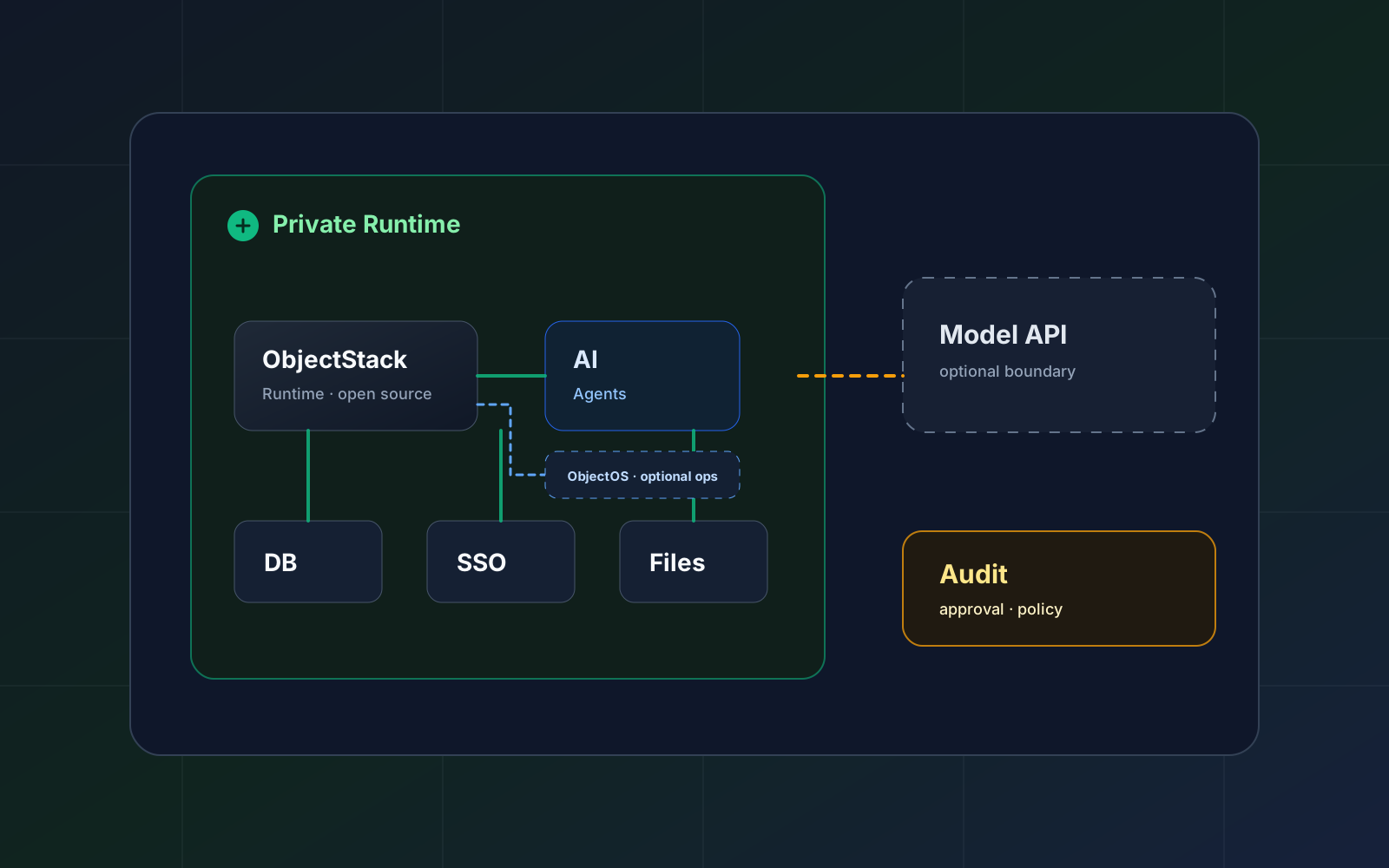
Self-Hosted AI Application Platforms: Why the Runtime Belongs to You
Once AI reads business data, triggers workflows, generates applications, and calls tools, enterprises need control over the runtime that governs objects, permissions, tools, approvals, and audit evidence.
Security & Governance IT Leaders -
 Published
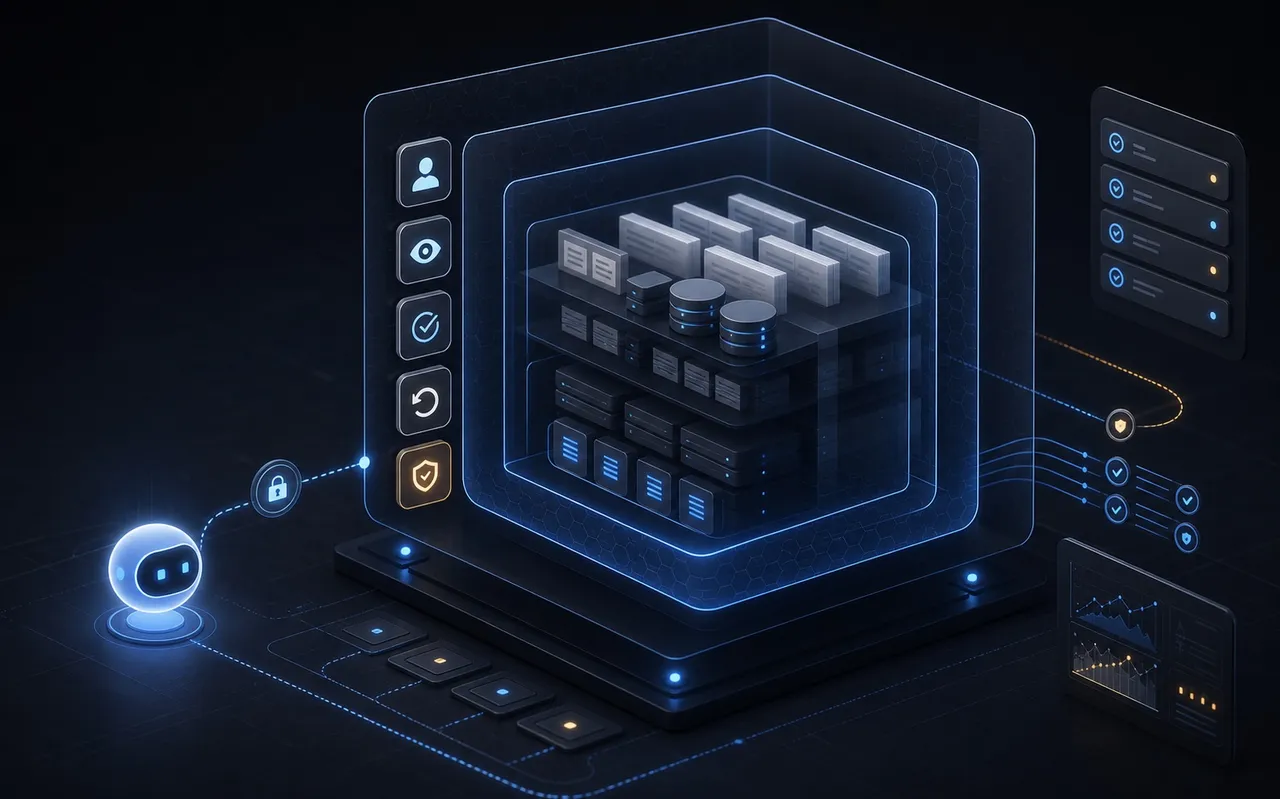
How AI Agents Stay Inside Enterprise Permission Boundaries
Enterprise teams do not need AI agents to become unrestricted administrators. They need agents that act as controlled users, inherit permissions, route risky actions for approval, and leave an audit trail.
Security & Governance IT Leaders AI agentsAgent permissions -
 Published
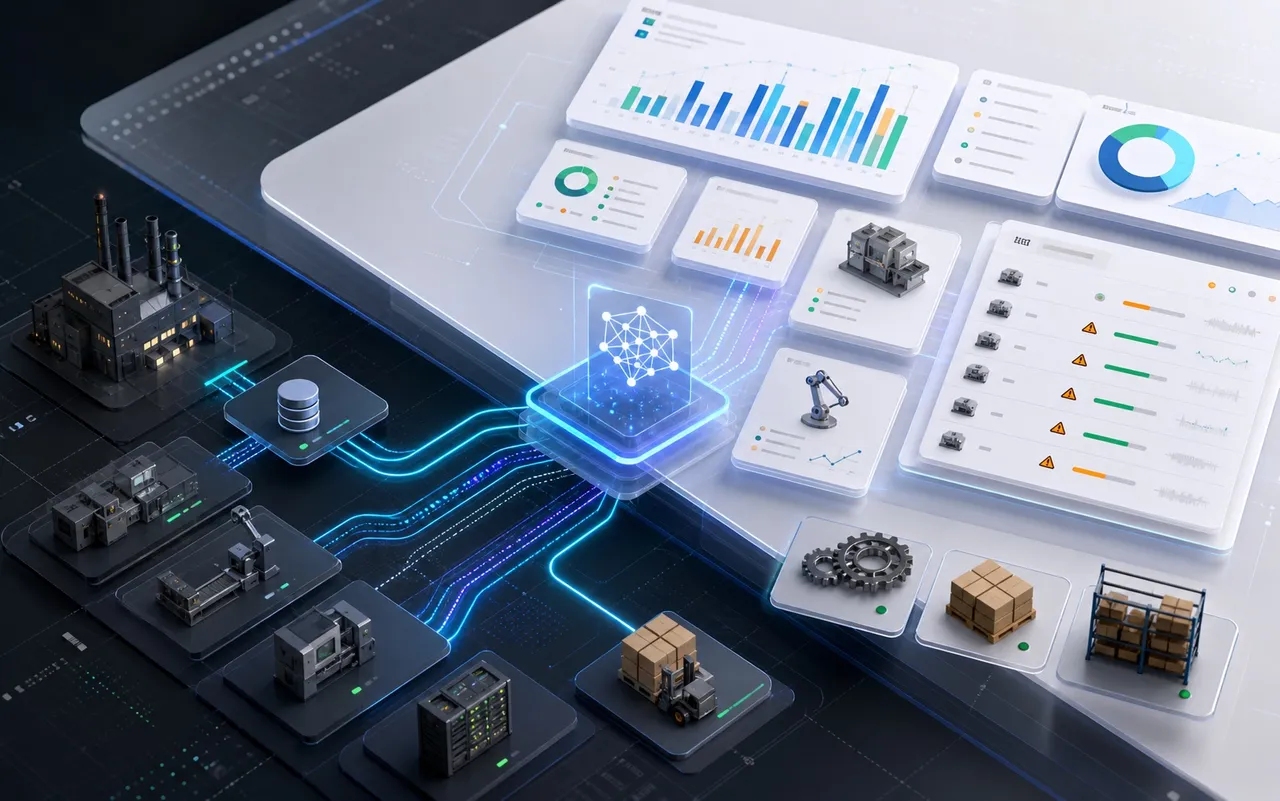
AI for Legacy Manufacturing Systems: Start With Reports and Work Orders
Manufacturing systems are hard to replace. A practical AI path connects existing systems and starts with reports, work orders, and exception analysis.
Integration & Data IT Leaders Case ManagementSupply Chain & Procurement Manufacturing -
 Published
Low-Code vs. AI-Native App Platforms: Where Complex Business Breaks
Low-code helps teams build pages and workflows faster, but complex business systems depend on objects, permissions, integrations, change control, and maintainability.
App Development IT Leaders HR & Internal AppsCase Management